
The KLA cult in Kosovo and its impact on the normal coexistence of the Albanians and Serbs
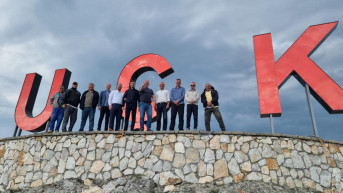
"The wartime epic and glorification of the KLA cult are currently being promoted in every possible instance in Kosovo, primarily by political parties and authorities in Pristina. The darker side of the story, which involves the terrorist actions of the KLA against the state of Serbia and their horrific crimes against civilians in Kosovo, is completely neglected. How can the construction of normal relations between the Serbs and Albanians be expected on such a basis?"
Edited by: Milos Garic
In Kosovo today, there are more than 1,600 monuments erected in memory of the members of the paramilitary Albanian formation KLA during the period of 1998-1999 and their efforts to achieve secession from Serbia through violent means. From Podujevo, Prekaz, and Gllogjan to Kacanik, there is no inhabited place, local road, meadow, or city square without a visible marker dedicated to the members of the KLA.
Based on the fact that during the armed conflicts with the regular forces of the state of Serbia in 1998-1999, a significant number of Albanians in KLA uniforms were among the casualties, authorities in Kosovo have been building a national cult for 25 years as the foundation of the projected "statehood", which is currently unsuccessfully packaged as a proclaimed aspiration for "multi-ethnicity and multiculturalism". The epic and cult of the KLA are promoted at every opportunity, completely neglecting the darker side of the story, which includes numerous terrorist actions by the KLA against the state and civilians in Kosovo. Thousands of people were killed and brutally tortured in various ways, and some of these events are described in the indictment before the Special Court in The Hague, listing Hashim Thaci, Kadri Veseli, Rexhep Selimi, and Jakup Krasniqi as leaders of the KLA responsible for war crimes.
Prime Minister Albin Kurti, whose significant voter base comes from the ranks of KLA veterans, naturally seizes every opportunity to emphasize the KLA's legacy in the current actions of Kosovo Security Forces. During the celebration of KSF Day at the "Adem Jashari" barracks in Pristina, along with Vjosa Osmani, he recently reiterated that this formation was the successor to the KLA. It is not only about verbally highlighting the connection between the KLA and today's police and armed formations in Kosovo but also a visible part of the KSF members wearing KLA insignia on their uniforms, in addition to the usual symbols of the "Greater Albania".
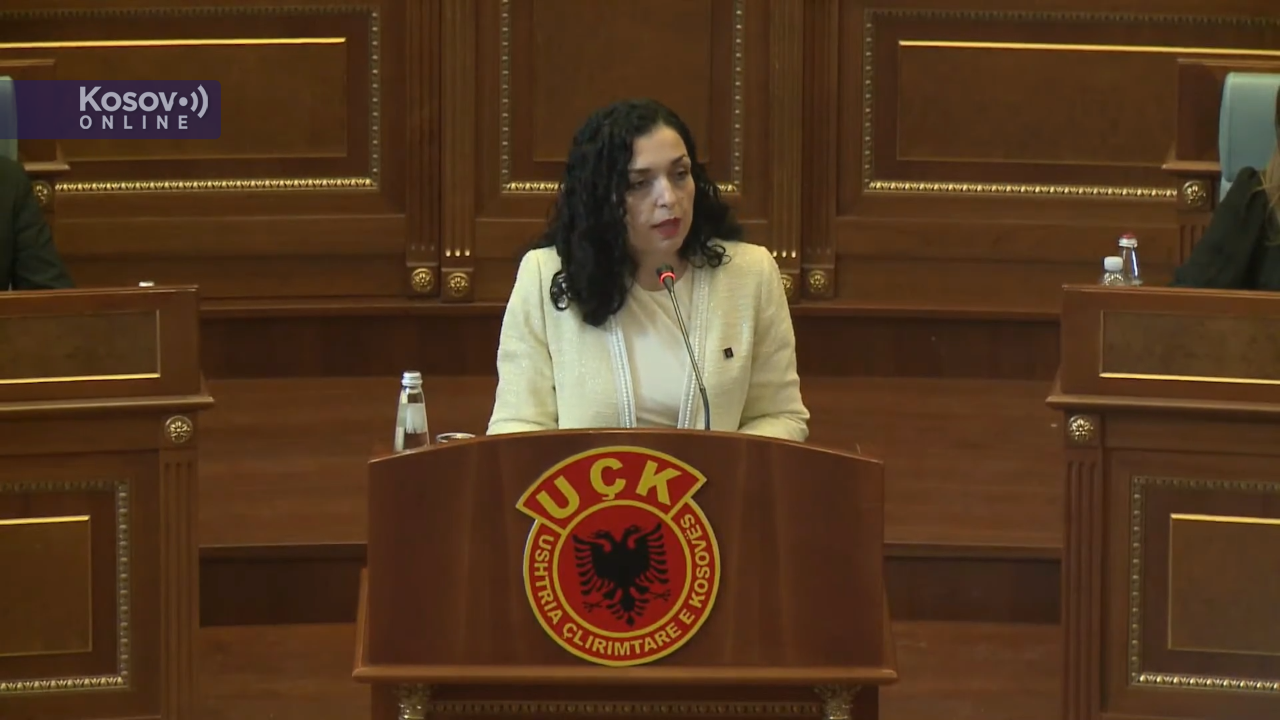
Hence, it's not surprising that a recent report stated that a large sign with "KLA" had been placed on the elevation of Crnusa above Kosovska Mitrovica, making it visible to all Serbs living in the vicinity. To make matters more concerning, the red-colored sign was prominently displayed on the hill designated by local authorities in the southern, Albanian-populated part of Kosovska Mitrovica for the construction of a new base for members of the Kosovo Security Forces. Identical signs have been previously placed on other elevated locations in Kosovo and Metohija, including areas near Malisevo, the fortress above Prizren, and elsewhere.
What does the glorification and imposition of the KLA cult in Kosovo say about the state of society and how feasible it is to build normal Albanian-Serbian relations on such a foundation?
Albin Kurti swears allegiance to the KLA
Political scientist Ognjen Gogic, who is often present in the Kosovo region and has excellent insight into the current situation, says that the KLA cult represents a crucial source of legitimacy for Albanian political actors in Kosovo after 1999.
"It should be noted, above all, that after the war, former KLA commanders, primarily Hashim Thaci and Ramush Haradinaj, and then Kadri Veseli, Fatmir Limaj, Agim Ceku, and others, played a dominant role in politics and governance in Kosovo. They legitimized their power by referring to their previous struggle within the KLA, which allowed them to firmly grasp the levers of power in Kosovo after Serbian and Yugoslav armed forces withdrew. Kosovo Albanians largely hold deep respect for the KLA, whose members are seen as heroes who brought them freedom. Such a perception is so entrenched that even more moderate Albanian politicians from the Democratic Party of Kosovo, whose members were persecuted by the KLA, did not dare to question it", Gogic points out for Kosovo Online.
He adds that the cult existing in the Albanian public in Kosovo towards the KLA can be compared to the myth of the so-called Homeland War in Croatia.
"In both cases, it is a cult and myth that underlies the new political order that emerged from the war. Just as there are defenders among the Croats, there are veterans among the Albanians who claim rights to a special status and constitute a significant political factor that often causes turbulence. Discussing crimes against the Serbs is the strictest taboo for both groups. Although the KLA cult has been present in the Albanian public continuously since the war's end, its strength has varied over the years. However, it seems to have been revitalized in recent years, primarily after the start of the trial of KLA commanders for war crimes before the Specialist Chambers. After Hashim Thaci and Kadri Veseli went to The Hague, billboards with their faces and the inscription 'Freedom has a name – KLA' appeared all over Kosovo", Ognjen Gogic notes.
According to him, the current Kosovo Prime Minister, Albin Kurti, played a significant role in strengthening the KLA cult in recent years.
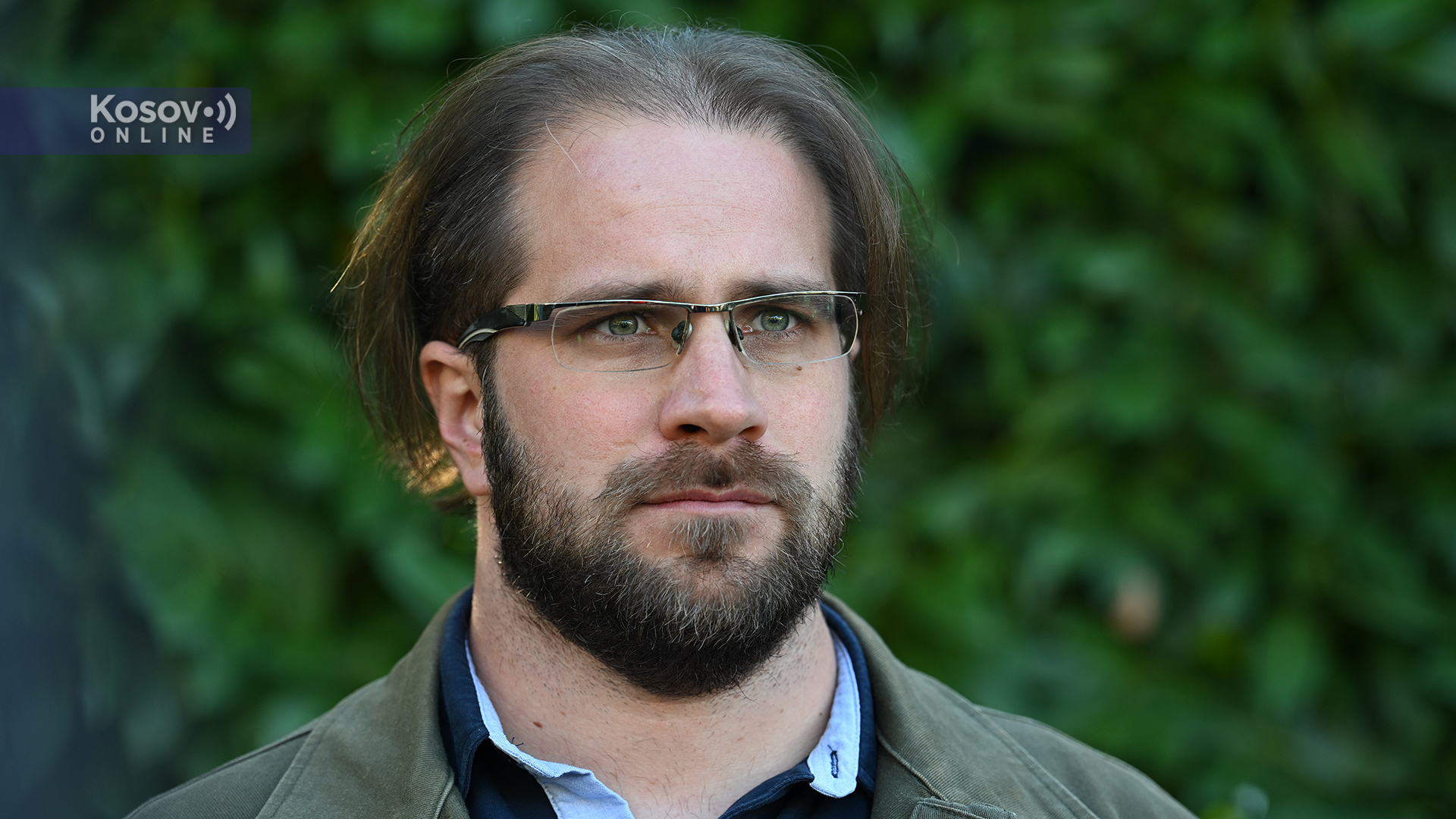
"He was once part of the KLA, albeit its political wing, but after the war, he distanced himself from its leaders. Kurti, in fact, seized power with an overwhelming majority after his biggest competitor, Hashim Thaci, the former Commander of the KLA, went to The Hague. In the general incitement of national sentiment among the Albanians in Kosovo, which Kurti reached for, the KLA took a special place. Kurti presented his actions in relation to northern Kosovo as a new struggle for liberation, and invoking the KLA was intended to promote a spirit of militancy. Kurti's statements that the special police continue the KLA's fight, or that the Kosovo Security Forces are the successors of the KLA, best illustrate such an approach", Gogic emphasizes.
He states that, incidentally, this second statement by Kurti is technically correct because the Kosovo Security Forces, illegally, were formed by transforming the Kosovo Protection Corps established during the demobilization and reintegration process of KLA members after the war. Besides these general national motives for promoting the KLA, according to Gogic, Kurti also has narrow political interests. By swearing allegiance to the KLA, he seeks to counter any objections that he has politically benefited from preventing KLA leader Hashim Thaci from engaging in politics due to being on trial for war crimes committed within the framework of the KLA's struggle.
The Serbs in Kosovo have a completely opposite perception of the KLA."For them, the KLA represents a terrorist organization that carried out abductions and crimes before, during, and after the war when international forces took over responsibility for security in Kosovo. The Serbian Police and the Yugoslav Army, against whom the KLA fought, have long been absent from Kosovo. In this context, the question arises to whom the message glorifying the KLA is addressed. It can only be understood as a threat that instills fear among the Serbs in Kosovo. However, the victims of the KLA were not only Serbs. Especially after the war, militants from the KLA committed crimes and intimidation against members of other communities in Kosovo, such as Roma people, Gorani people, and Bosniaks, due to ethnic intolerance or property seizures", Gogic explains.
What do the Albanians say?
Such actions, he points out, create suspicion among every non-majority community in Kosovo towards the authorities in Pristina and doubt their sincere interest in protecting their rights and promoting coexistence.
"The KLA is a controversial issue even among the Albanians themselves. Before and after the war, the KLA persecuted political rivals within the Albanian community, accusing them of collaborating with the Serbian regime. There has never been the strength within the Albanian public to open that issue", political scientist Gogic concludes.
However, Afrim Hoti, a professor of international law from Pristina, does not consider nurturing the cult of the KLA to be something that should pose a problem in the relations between the Albanians and Serbs in Kosovo.
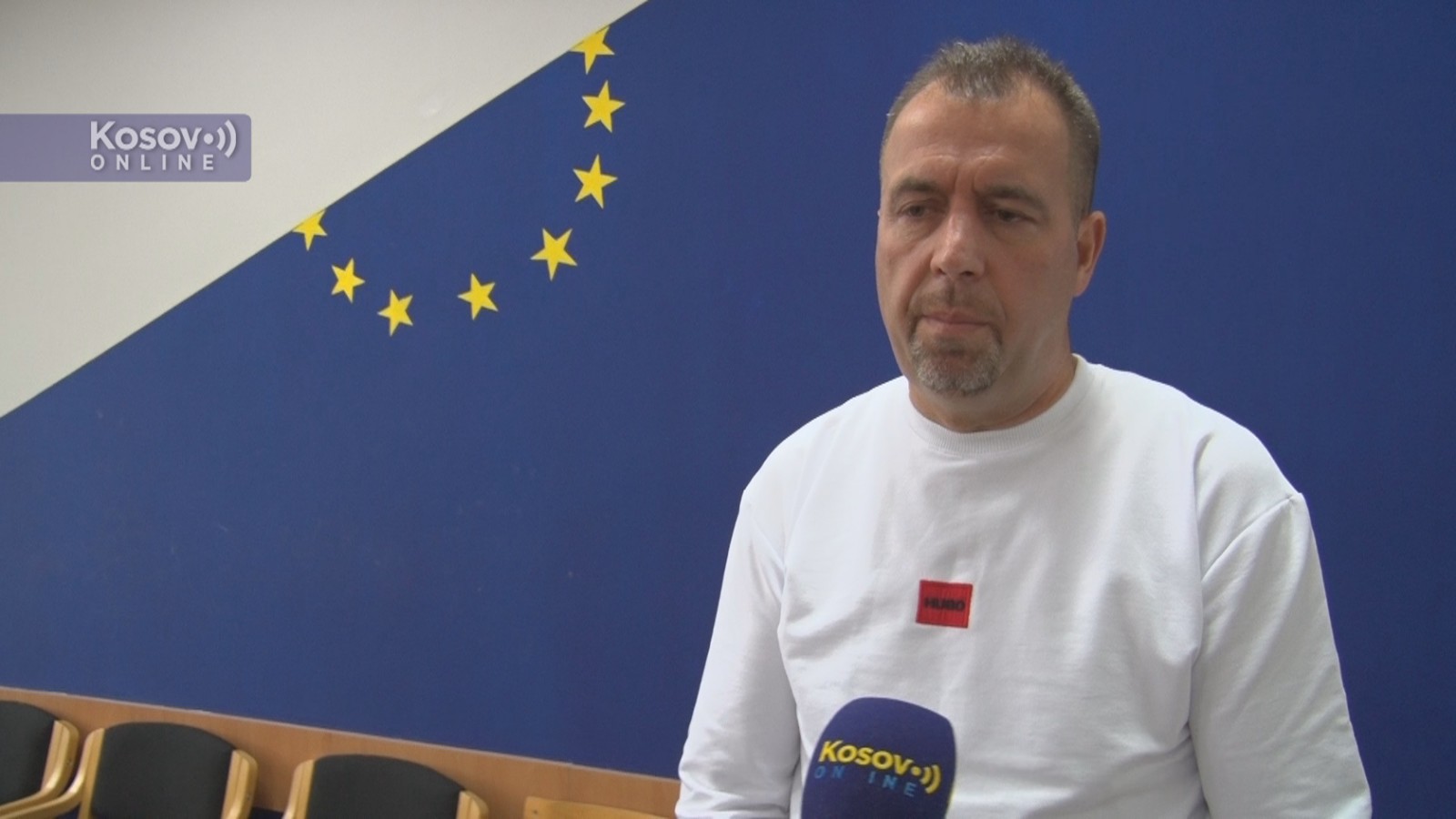
"I absolutely don't think that the KLA cult has any impact on the relationship between the Albanians and Serbs in Kosovo. The KLA cult is directly tied to the freedom of the Albanians to break free from the occupation of Serbia, but that doesn't imply a lack of respect and coexistence with the Serbs. The KLA enabled what Albanians could not even dream of before due to the brutal oppression they experienced in the former Yugoslavia. Meanwhile, I definitely think that this cult has no influence on the Albanians and Serbs coexisting without any problems in independent Kosovo", Hoti for Kosovo Online says.
Historian Aleksandar Gudzic from Gracanica also confirms the thesis about the influence of the KLA cult in Kosovo among the Albanians.
"Undoubtedly, there is a KLA cult in the Albanian public about the KLA's fight for freedom, independence, and resistance against Slobodan Milosevic's regime. In the Kosovo public, there is a narrative, a cult of exclusively Serbian guilt for the war in the 1990s, and these two narratives, the cult of the infallibility of the KLA, and the cult of exclusively Serbian guilt, certainly influence the relations between the Serbs and Albanians. For love and war, it takes two, and in this case, the war in the 1990s was a triangle - Serbs, Albanians, and the international community. Only if the Albanian public, as well as the Serbian public, agree to look at the past and accept that all sides are equally responsible for the war in the 1990s, can we move forward and improve the fragile relations", Gudzic says in a statement to Kosovo Online.
For the Serbs, the KLA means death, terror, and suffering
He considers it expected that a significant part of the Albanian public is strongly dissatisfied with the arrest of KLA leaders.
"It is a logical continuation of that narrative, of that cult built after 1999, according to which the KLA waged a just fight and did not commit crimes. I think there is a law in Kosovo 'on the inviolability of the virtues of the KLA', which aims to support that cult, that narrative, and legally sanction anyone who questions the KLA's struggle and draws attention to the crimes committed by the KLA. So, I believe the stance of the Albanian public is clear, that the Serbs are to blame for the war in the 1990s and that the KLA is infallible. The Albanian public in Kosovo, I'm afraid, is not ready to confront the crimes committed in its name by some other Albanians", Gudzic emphasized.
He points out that the Serbs, of course, have a completely opposite opinion about the role of the KLA.
"Surely, when the Serbs see the KLA, they have in their memories 230,000 expelled Serbs from Kosovo, 150 churches and monasteries destroyed, numerous crimes, abductions, murders, and precisely through the prism of that violence between 1999 and 2004, the Serbs perceive the KLA as people who, in the name of the Albanians, committed crimes against the Serbs. It's not even about whether the court in The Hague will convict former KLA leaders; the key problem is the unwillingness of the Albanian public to confront the crimes committed by members of their people", Gudzic concludes.


comments