
Today, it is worth engaging in the protection of human rights, especially those of the Serbs in Kosovo
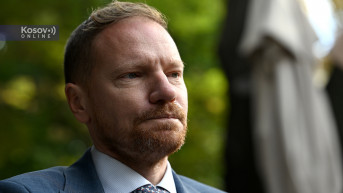
Writing for Kosovo Online: Milan Antonijevic, a lawyer
On Human Rights Day, amidst the celebration of the seventy-fifth anniversary of the adoption of the Universal Declaration of Human Rights, and in the shadow of various human rights violations from Ukraine to Gaza, it is still worth turning our attention to our region and continuing the fight for the protection of human rights.
An additional motivation for me to speak out today is the interview given by Ramush Haradinaj to Koha Ditore, a daily newspaper that I respect and which always brings us verified information from Kosovo and the region, no matter how challenging it has been to fight for the truth from the 1990s to today, fighting for freedom of expression and media freedom, which are the foundations of the Universal Declaration, whose anniversary we mark today.
Ramush Haradinaj's statement that Kosovo gained independence in the shadow of human rights violations, 24 years after the conflict's end, I see as an acknowledgment that the conflict left behind many victims.
Families of Albanian and Serbian victims continue to search for those who disappeared during the 1990s and in the early years after 1999 when a significant number of the Serbs perished, directly violating Article 3 of this declaration—the right to life.
The first two articles of the highest legal document of the United Nations speak about something worth fighting for every day in Kosovo; they state that "all human beings are born free and equal in dignity and rights. They are endowed with reason and conscience and should act towards one another in a spirit of brotherhood“.
Then comes Article 2, which clearly states that "everyone is entitled to all the rights and freedoms set forth in this Declaration, without distinction of any kind, such as race, color, sex, language, religion, political or other opinion, national or social origin, property, birth or other status. Furthermore, no distinction shall be made on the basis of the political, jurisdictional or international status of the country or territory to which a person belongs, whether it be independent, trust, non-self-governing or under any other limitation of sovereignty".
Here, I return to Haradinaj's statement, but I place it in today's context, not denying the numerous violations of the rights of the Albanian community during the 1990s. Today, we expect the final formation of the Community of Serb-majority Municipalities, guaranteeing the Serbian community a higher degree of autonomy and, consequently, survival in Kosovo.
Numerous incidents provoked by Kosovo Police forces over the past two years, along with restrictions on freedoms, from freedom of movement to property rights and many others, along with general militarization, and Kosovo Police checkpoints in Serbian communities resembling military checkpoints in war-torn Ukraine.
All of this indicates that today it is worth engaging in the protection of human rights, primarily for the Serbs in Kosovo, just as in the 1990s, with all the risks it carried, we protected the Albanian community in Kosovo, their right to life, freedom, freedom of movement, expression, to education, and everything else that the Milosevic regime thought it could take away from them.
We are paying for those mistakes, those crimes today. Fortunately, many have been convicted of war crimes against the Albanians, which gives us the right to await the first verdicts against the Albanians coming from the new special court in The Hague, colloquially referred to as the court for war crimes of the KLA.
We await those verdicts, aware of the responsibility of individuals, which removes the shadow of collective guilt from the Serbs.
We should not expect balance; this is not a competition in numbers, in suffering because that diminishes the victims, both Serbian and Albanian. We should clearly demand justice and the full truth that will illuminate every dark corner of that past, so that we can learn to appreciate every effort to preserve peace, security, and every human right guaranteed by the Universal Declaration of Human Rights.
The 1990s must not happen again
Today's negotiations between Belgrade and Pristina, as we call the negotiations between Serbia and Kosovo, have been and should be concluded with a comprehensive agreement for the normalization of relations, precisely for the sake of all human rights and the future coexistence of the Serbs and the Albanians. I expect that one day, this coexistence will be a life within Europe, more precisely, within the European Union.

0 comments