
Regional cooperation in the IT sector is also important for the cyber security of the countries of the Open Balkan

The cyber attack that hit Albania last year threatened to paralyze public administration, wipe out digital systems and government data, and expose internal electronic communications and cause instability and chaos in the country. Some public institutions in Serbia and North Macedonia also experienced similar attacks, albeit in a smaller form.
In Serbia, an attack was recently recorded on domains that are the responsibility of the military security service, and in Skopje, the latest attack disabled the website of the Health Fund and compromised data on insured persons. The media even speculated that the hackers had demanded a ransom for the return of the data.
Said Dulevic, an Albanian expert in the field of cybernetics, tells Kosovo Online that such activities can be prevented. Dulevic is of the opinion that by establishing a joint center for the fight against high-tech crime within the framework of the Open Balkan, the member countries would be ready to defend against any type of cyber attack, including the one that Albania had last year.
"Within the framework of the Open Balkan, we could establish a joint Center for monitoring and detecting potential attacks and threats of spyware. Also, this cooperation would bring together the profession, i.e. human resources, experts from all three countries that started the initiative. The exchange of experiences and joint work can contribute to making the Balkans strong and ready if an attack occurs," Dulevic says.

Dulevic states that the most common targets of hackers are state and financial institutions, that is, those that have an interest and money to defend themselves.
"If a hacker breaks such a system, he demands a large compensation, and that is their primary goal, and there are also political ones. Often, educational institutions, since they have not invested much in new technologies, fall prey to hackers, and data protection of those institutions is very important because it's about sensitive information about students,” Dulevic says.
Dulevic says that after the attack that hit Albania last year, when almost all the control systems used by the police were blocked, it was officially announced that "the Government of Iran was also involved in the case, which was responsible for the hacking intrusions and the leaking of data from the Albanian institution".
"That attack had happened much earlier than it was announced, and that was because a virus was inserted into one server of an Albanian institution that was not regularly updated, which allowed the attackers to infect it and download data from it. Albania took all measures and asked for help from foreign international companies Microsoft, CISE, File XMI, NATO, but also individuals in order to identify the perpetrators and find out how the attack happened. After that, an update and server update was done, and then it was found that the human factor was involved. A list of persons who were declared suspicious in connection with that situation was made. According to the announcements issued at the time, five persons were suspected, but it is not known what happened to them," Dulevic explained and added that the Government of Albania had immediately increased the salaries of the employees of the National Agency for Information Society, because, as he says, a good salary also motivates integrity at work.
"Cybercrime has a transnational character. Heating systems, flight control, electricity, everything is connected and controlled remotely today, so the danger of cyber terrorism is huge, which is why international cooperation is extremely important," Dulevic concludes.
Also, Albanian cyber security expert Edmond Licaj points out that after the attack, Albania mobilized all its structures and capacities to prevent and stop malicious activities directed at the government system.
"A new strategy was created, a security system was established, as well as cooperation with partner countries and allies in the field of security," Licaj points out.
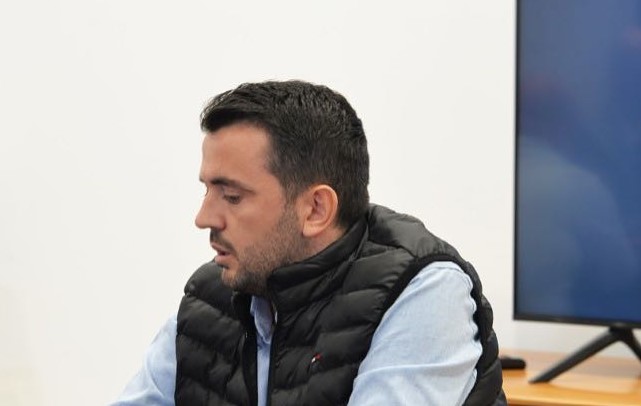
According to him, the National Surveillance Center should be established soon, which will use the latest technologies in the cyber defense system.
"The most popular National Center for monitoring cyber attacks 24/7 will also include sector centers in peripheral zones. Albania is undergoing a transformation in the field of security, and the attack on the country showed all our weaknesses and contributed to paying more attention to this issue. Cooperation with partners in this field is also important to us," Licaj notes.
Also, it will contribute to understanding how important this area is and how much Albania has to keep up with the times.
"Cyber security will make Albania more stable and safer. I don't believe that complete security is possible anywhere, but what is certain is the continuity of changes now exists, a new spirit of development has begun in Albania, with a very innovative and professional generation in the field of technology," Licaj assessed.
According to economists, the need for regional connectivity in this sector could be an opportunity for experts in the field of IT technologies, as well as for the further development of this branch of the economy. In the last ten years, the IT sector in the Western Balkans has otherwise become one of the leading economic branches that multiply the growth of economies in the region. Initiatives like the Open Balkan can further contribute to the improvement of the IT sector and new business opportunities through the joint performance of member countries on the market.
Economist Erion Muca from Albania says that IT experts are still looking for jobs outside the countries of the region because countries like Germany and Austria offer higher wages.
"The problem is that a good number of IT professionals prefer to work in EU countries, namely Germany and Austria, which offer them an excellent opportunity not only for a much higher salary but also conditions for professional growth and development that they do not find in Albania. The level of German companies that operate in Albania in the field of IT programming still have a 30-40 percent lower salary level than what they would offer if they were in Germany," Muca explains.
However, as he adds, the Open Balkan will enhance the cooperation of professionals from different fields in the region, and certainly also experts from the IT sector, because until now representatives of the business world have faced various bureaucratic procedures, which has affected young people by seeking jobs outside the framework of the region, and those obstacles have now been removed.

0 comments