
Xhepa: Open Balkan has made positive contributions; the problem is that it does not include everyone
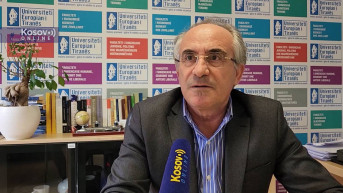
Meetings in Skopje, where regional leaders will gather regarding the EU Plan for the growth of the Western Balkans worth six billion euros, are a good opportunity to revive cooperation and dialogue between countries, in order to mitigate negative rhetoric and create a better climate for increased trade, investments, and greater prosperity for citizens, Selami Xhepa from the European University in Tirana and a former member of the Supervisory Board of the Bank of Albania says for Kosovo Online.
Originally, it was planned that, ahead of the leaders' gathering within the Open Balkan Summit in Skopje, the member countries of this initiative, Serbia, North Macedonia, and Albania, would sign important protocols on free access to labor markets. This was interpreted as a step towards reviving this initiative. However, this event has been postponed, as stated by the Government of North Macedonia, until all technical conditions for the implementation of this measure are met, which, it is emphasized, is "fully aligned."
Xhepa emphasizes that there has been a significant increase in tensions, conflicts, and negative rhetoric in the Balkans in the recent period, which contradicts the long-standing initiatives aimed at strengthening regional cooperation, including the latest initiative of the Berlin Process.
"Of course, the Open Balkan overlapped with the Berlin Process. I think the main problem, or the main difference, is that all the countries in the region are involved in the Berlin Process, while only three states are in the Open Balkan. This dichotomy obviously creates problems. Nevertheless, the revival of this process, with the meeting held last year in Tirana and the new growth plan proposed by the European Commission for the Balkan countries, clearly expresses the need to move from Open Balkan towards broad cooperation involving all countries already part of the Berlin Process," Xhepa says.
He points out that Open Balkan has made positive contributions because there have been many initiatives and agreements to facilitate cooperation.
"The only problem was that it was not a comprehensive initiative. I think the revitalization of this process through a new Investment Plan for the economic growth of the countries in the region has a strong regional dimension. The meeting in Skopje will contribute not only to the improvement of political relations but especially to the aspect of economic development, bringing our countries closer so that they can truly benefit from this new opportunity, avoiding the EU funding paralysis or its implementation by only a few countries. Joint projects of neighboring countries are needed for this," Xhepa says.
He emphasizes that political problems have undoubtedly halted economic cooperation and, in particular, investments.
"The countries in the region should be more active in exploring the investment opportunities within European cooperation. This requires clear technical expertise and joint working groups so that our countries are active in designing projects and then securing funds. In my opinion, joint lobbying groups can also be formed in European financial institutions. This creates synergy and closeness among countries. It increases our capacities, helps us learn from each other, and enhances lobbying ability, which is crucial today for securing funds," Xhepa believes.


0 comments