
Andjelkovic: Pristina sending court summonses to central Serbia by international mail
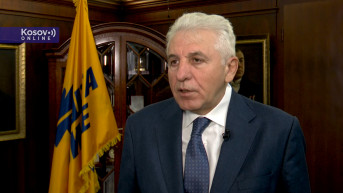
Post of Serbia Director Zoran Andjelkovic said today that the prosecution authorities in Pristina were sending indictments and court summonses to citizens in central Serbia as international mail through third countries, adding that receipt of such a letter enabled Pristina to indict a person and try them in absentia, Insajder reported.
Andjelkovic told Tanjug that the mail was not sent directly to central Serbia but arrived via Ljubljana, Vienna and Switzerland as international mail, under the rules of the Universal Postal Union, a specialized agency of the United Nations.
According to him, the Pristina courts use these letters to notify individuals that proceedings are being conducted against them, and receipt of such a letter provides the legal basis for proceedings to continue in the defendant’s absence.
“Once they notify them that proceedings are being conducted against them, they are deemed to have been notified upon receipt of the letter, and an indictment can then be filed against them in absentia. That is a Council of Europe standard,” Andjelkovic said, according to Insajder.
He added that Pristina did not issue wanted notices through Interpol but instead forwarded them, under bilateral arrangements, to countries that recognized Kosovo, while the Post of Serbia most often returned such letters as mail addressed to an unknown recipient.
“However, there is a dilemma as to whether it would be better to notify the recipients so that, unaware of the proceedings, they are not arrested in a transit country. What am I supposed to do? Keep those letters privately and leave people uninformed, only for them to travel to Hungary and be arrested there? Or for someone to travel to Montenegro, where an officer at the border checks the computer and says: ‘My friend, it would be better for you to turn back’?” Andjelkovic said.
He added that last week, as he put it, a serious professional working in the prison system had raised the question of how the Pristina institutions had obtained the exact addresses of people in central Serbia in the first place.
“They can obtain the information, including the exact address. All it takes is entering the personal identification number into a computer. That can only happen, as they say, if someone works in a service with access to the system,” Andjelkovic said.

0 comments