
Andric Rakic: Western reactions have drawn attention to the difficult situation of Serbs; Kurti has not crossed the "red line" yet
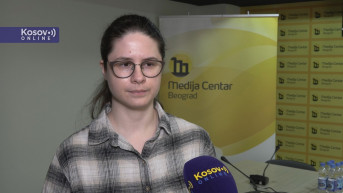
Milica Andric Rakic, program manager of the NGO Social Initiative, says she does not expect Kosovo to be punished for recent events, but for the Serbian community, it is a huge success that Western diplomats have publicly highlighted the difficult situation faced by Serbs due to Pristina's actions.
Rakic is convinced that the international community is concerned about Pristina's recent actions, reflected in the sharpness of the statements, especially from the State Department.
"I am aware that many analysts do not see it this way, but the only way to help Kosovo Serbs is for when someone finally says that things are not right in Pristina, that they amplify those voices, especially such credible voices in the Western world, like the US administration – repeat what they said at all venues, in all meetings with relevant people to adequately demonstrate how difficult the situation on the ground really is," Rakic emphasizes for Kosovo Online.
According to her, the Serbian community has lost credibility in the Western public sphere, and regardless of claims that such statements serve no purpose and are merely pro forma, they actually give Serbs the opportunity to show that their truth exists.
"That's why we need a statement from the State Department that validates that there are indeed problems in Kosovo so that we can convince someone else of that," Rakic says.
However, she believes it is not realistic to expect the West to impose additional measures or sanctions against Kurti or the Kosovo Government.
Rakic believes the West will wait for the elections and then decide on its next steps.
"I am quite convinced that if Albin Kurti cannot form a government and if he does not have the title of Kosovo Prime Minister to protect him, then he could face very serious sanctions that could potentially seal his political career in Kosovo. But until then, I am not convinced. The West still seeks balance in its response. Between attempting to prevent Kosovo from engaging in escalatory actions and not harming its position in the negotiation process."
Rakic assesses that there are "red lines" in the West's tolerance of Pristina's actions and that they will react at some point.
"Now it's just a matter of when that moment is, how long the Serbian community in Kosovo can endure it, and how quickly the Serbian community needs to convince Western public opinion, which actually makes those key decisions about Kosovo, that it is time to intervene more concretely in what is happening in Pristina," Rakic concludes.



0 comments