
Bugaqku: The approach of Albanian parties in the CEC shows Kosovo’s failure to respect the rights of Serbs
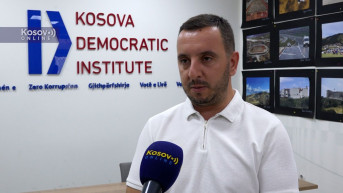
Executive Director of the Kosovo Institute for Justice, Ehat Miftaraj, assessed the actions of Self-Determination in the CEC against the Serbian community as extreme politicization. He is supported in this view by Vulnet Bugaqku, legal representative at the Kosovo Democratic Institute, who adds that such an approach demonstrates Kosovo’s failure to respect the mandatory representation that the Serbian community has in institutions.
Miftaraj emphasized that the non-implementation of decisions is a clear indicator of the fragility of Kosovo’s system.
“At a later stage, unfortunately, this will translate into more rights for Kosovo Serbs, giving primary importance to the demand that Kosovo adopt the statute of the Community, which would grant additional rights that would undermine Kosovo’s international subjectivity,” Miftaraj told RTV 21.
Vulnet Bugaqku, legal representative at the Kosovo Democratic Institute, assesses that the approach of Self-Determination representatives against the legal frameworks that guarantee community rights in Kosovo is an expression of populism for the purposes of political games. According to him, this also affects relations with allies.
“The approach of Albanian political parties in the CEC, consciously or unconsciously, shows the failure of Kosovo’s institutions to respect the mandatory representation that the Serbian community has in Kosovo’s institutions, including the Assembly,” Bugaqku told RTV21.
Representatives of Self-Determination stated that they would not respect even the latest decision of the Constitutional Court, which found violations during the procedures conducted by former Assembly Speaker Dimal Basha in the election of Vice President Nenad Rasic. Challenging the decisions of the Constitutional Court, according to Miftaraj, most benefits Serbia.
“Who has the greatest interest in Kosovo being a dysfunctional state? Serbia. If Basha says he will not implement the decision, that means we will not have a constituted Assembly. We will not have the possibility to form a Government. And if we do not have a Government and an Assembly, how will we adopt the budget and international agreements?” Miftaraj said.
Bugaqku assesses that the latest ruling of the Constitutional Court on the election of the Assembly Vice President from the Serbian community is very clear. According to him, there are two options that the new Assembly Speaker can apply.
“Either to proceed with a model in which both vice presidents of the communities, Serbian and non-Serbian, are voted on as a package, or to continue with the blockade, as last year, when the Rules of Procedure of the Assembly were misinterpreted,” Bugaqku stated.
According to these researchers, the failure of political parties to implement constitutional decisions will have the effect of delaying the formation of institutions, the Assembly and the Government, as well as the election of a new president.



0 comments