
Djurdjevic: Kosovo is expected to improve the flow of goods at crossings
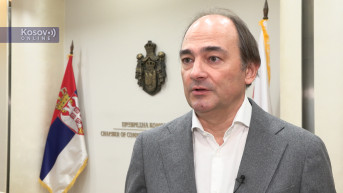
Nenad Djurdjevic, advisor to the president of the Serbian Chamber of Commerce, stated that as the CEFTA chair in 2025, Kosovo is expected to address several issues, including improving the flow of goods at crossings and working toward achieving consensus among all member states and stakeholders on appointing a new CEFTA Secretary-General.
Djurdjevic noted that Kosovo now presides over CEFTA in its political capacity, as UNMIK no longer formally represents it.
He reminds that prior to the agreement in Berlin in October last year, there were violations of the CEFTA agreement, including a complete embargo on Serbian goods entering Kosovo. An action plan for a Common Regional Market, part of the EU’s Growth Plan for the Western Balkans, was adopted, with all parties committing to its implementation.
“Currently, transit is only allowed through one crossing, Merdare, causing congestion and long queues. We consider this a political decision aimed at hindering the flow of goods from Serbia to Kosovo. As the chairing party, Kosovo is expected to resolve these issues because the action plan requires the creation of conditions for a functional and unified market in the Western Balkans,” Djurdjevic said.
He explains that this involves improving the flow of goods at crossings and introducing risk-based controls, meaning not every shipment would need to be inspected. Both Serbian and Kosovan customs, as well as other regional customs authorities, are capable of implementing this system.
Djurdjevic points out that numerous barriers have accumulated over the years, one being the labeling of products from Kosovo in Serbia, which should be resolved within CEFTA.
“A finished product from Kosovo, whether from a Serbian or Albanian community, cannot be sold in Serbia due to the lack of an agreement on product labeling. The action plan also includes mutual recognition of certificates, laboratory reports, and inspections. The Serbian Chamber of Commerce has worked to bring the two sides closer and align certificates in areas like veterinary and phytosanitary standards. Over the past decade, more than 40 certificates have been harmonized. However, certificates for meat, dairy, and related products were never adopted, despite being aligned. This means that dairy products seen in Kosovo, whether currently or in the past, were imported illegally, which ultimately harmed producers across Serbia,” he said.
Although, as he says, many things have been "shelved," given that CEFTA has been non-functional and blocked by the parties, not all expectations rest solely on Kosovo as the chair.
“It would be highly beneficial if a small action plan could be drafted in the spirit of good relations, recognizing the gravity of the issues and their importance for economies. This plan could outline steps to unblock existing obstacles and initiate the implementation of the action plan for a Common Regional Market, which is a prerequisite for accessing funds from the EU's new Growth Plan,” Djurdjevic suggested.
He also noted that CEFTA has been without a Secretary-General for an extended period due to political reasons, despite procedural attempts to appoint a candidate.
“It’s up to Kosovo, as the chairing party, to work on achieving consensus among all members and stakeholders to appoint a new CEFTA Secretary-General, enabling CEFTA to operate at full capacity. It seems that parties either fail to understand or deliberately ignore, due to political agendas, that this agreement is meant to facilitate economic activity, benefit businesses, and provide citizens with better access to goods, services, capital, and labor mobility. A well-functioning regional economy would yield higher revenues, profits, and employment. However, when you see procedural measures implemented by both Belgrade and Pristina that hinder the agreed measures, you have to wonder whether the parties realize that this agreement is meant for the economy, not for political maneuvering,” Djurdjevic concluded.

0 comments