
Djuric: Advancing regional cooperation and convincing young people that a better future can be created
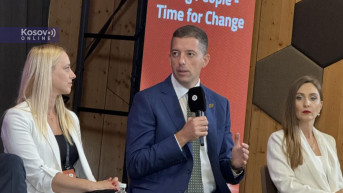
“There is a clear call for change in the way we relate to one another in the region, and this is why we must create and further strengthen the framework of political cooperation,” underlined Minister of Foreign Affairs of Serbia, Marko Djuric, at the Bled Strategic Forum, stressing that much work lies ahead for all, but that everything that must be done—must be done together with young people, in order to convince them that a better future can indeed be built.
Speaking at the panel “No Region for Youth – Time for Change”, Minister Djuric noted that the subject is of great importance for the entire region, where, for the wrong reasons, the very concept of youth has been redefined.
“With an average age of 44 in the region, even I, at 42, still fall into the category of youth,” Djuric remarked.
He emphasized the need for a profound change in how the peoples of the region treat one another, insisting on the creation and strengthening of a fraternal framework of political cooperation among countries—based on mutual respect, open borders, and pathways of collaboration.
Recalling Mahatma Gandhi’s words, “Be the change you wish to see in the world,” the Minister expressed his conviction that each person must begin with themselves, since it is essential that we treat one another with far greater respect.
Minister Djuric added that improvements must also be made within our own countries.
“In Serbia, we must work harder to ensure the economic and social mobility of younger generations. If we do not wish to see young people manipulated by older politicians seeking to exploit their energy for selfish interests, then we must create the conditions that allow them to start from scratch and move toward success. This is a challenge we all share,” said Djuric.
He further underscored that it is indispensable to ensure stability and clarity in foreign and security policy, while placing the economy at the center of policies, as we live in an era of global competition for talent.
“We have much work to do, and the only way to achieve it is in cooperation with young people—to convince them that a better future can indeed be created,” Djuric concluded.
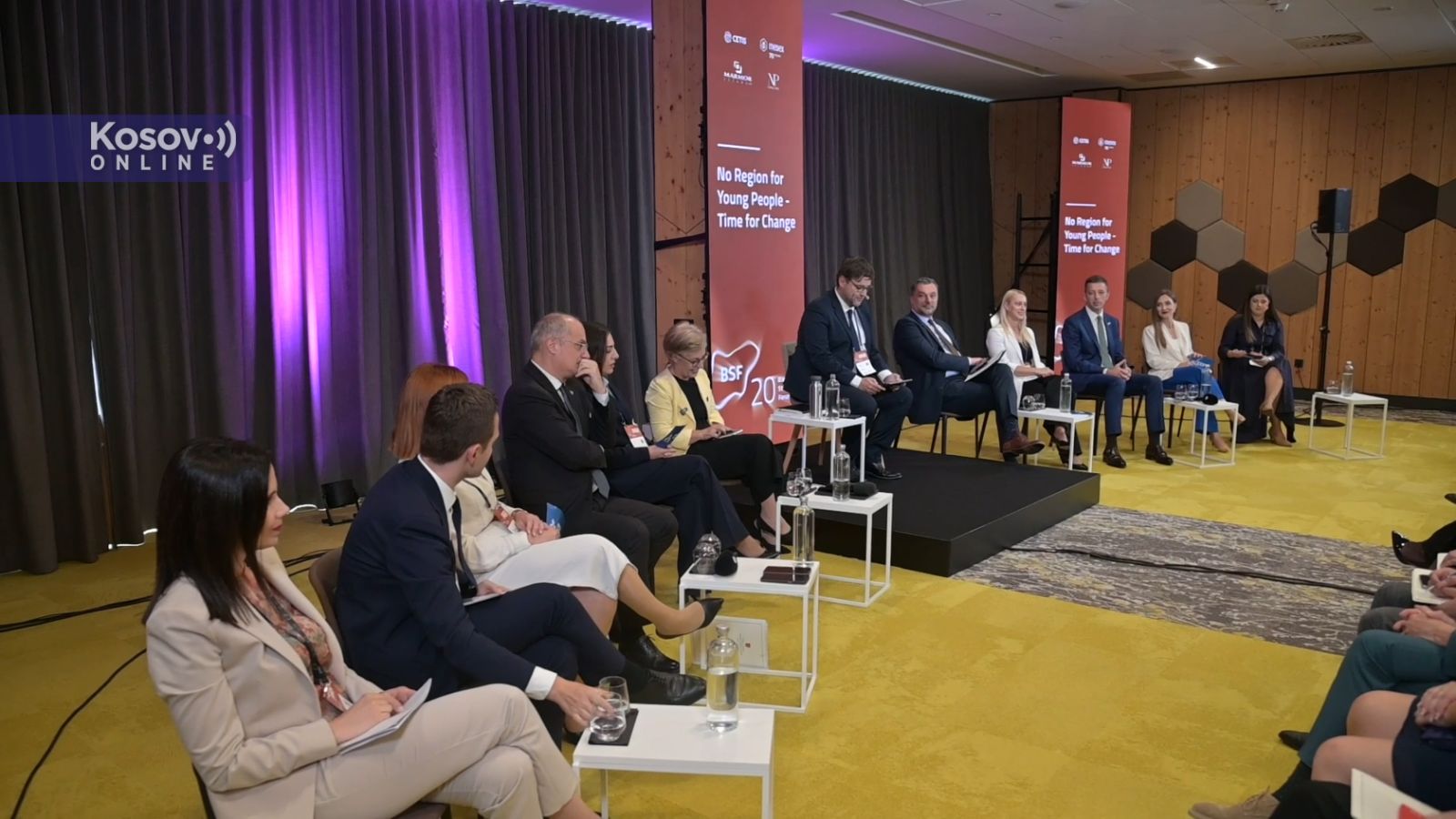
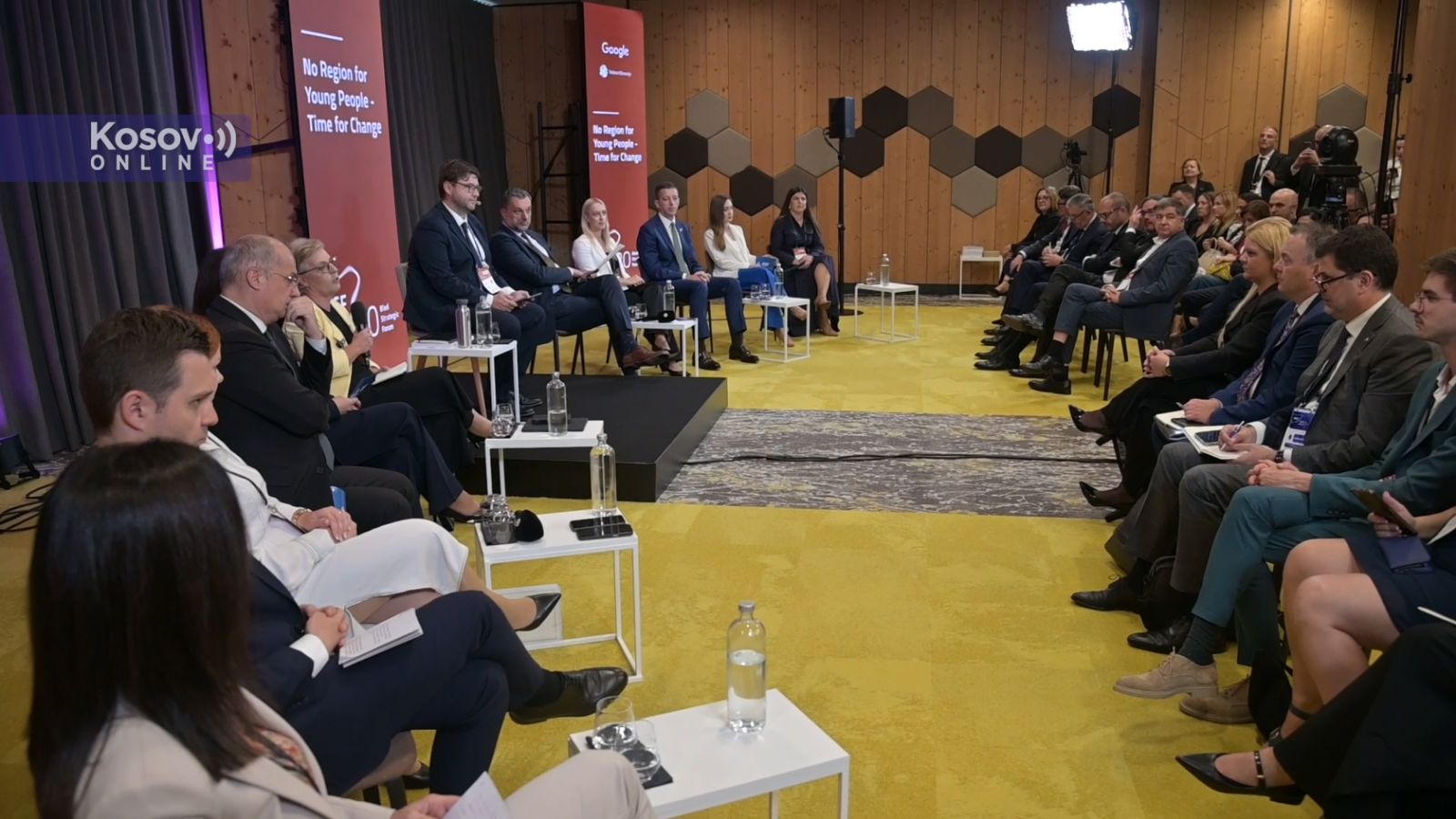
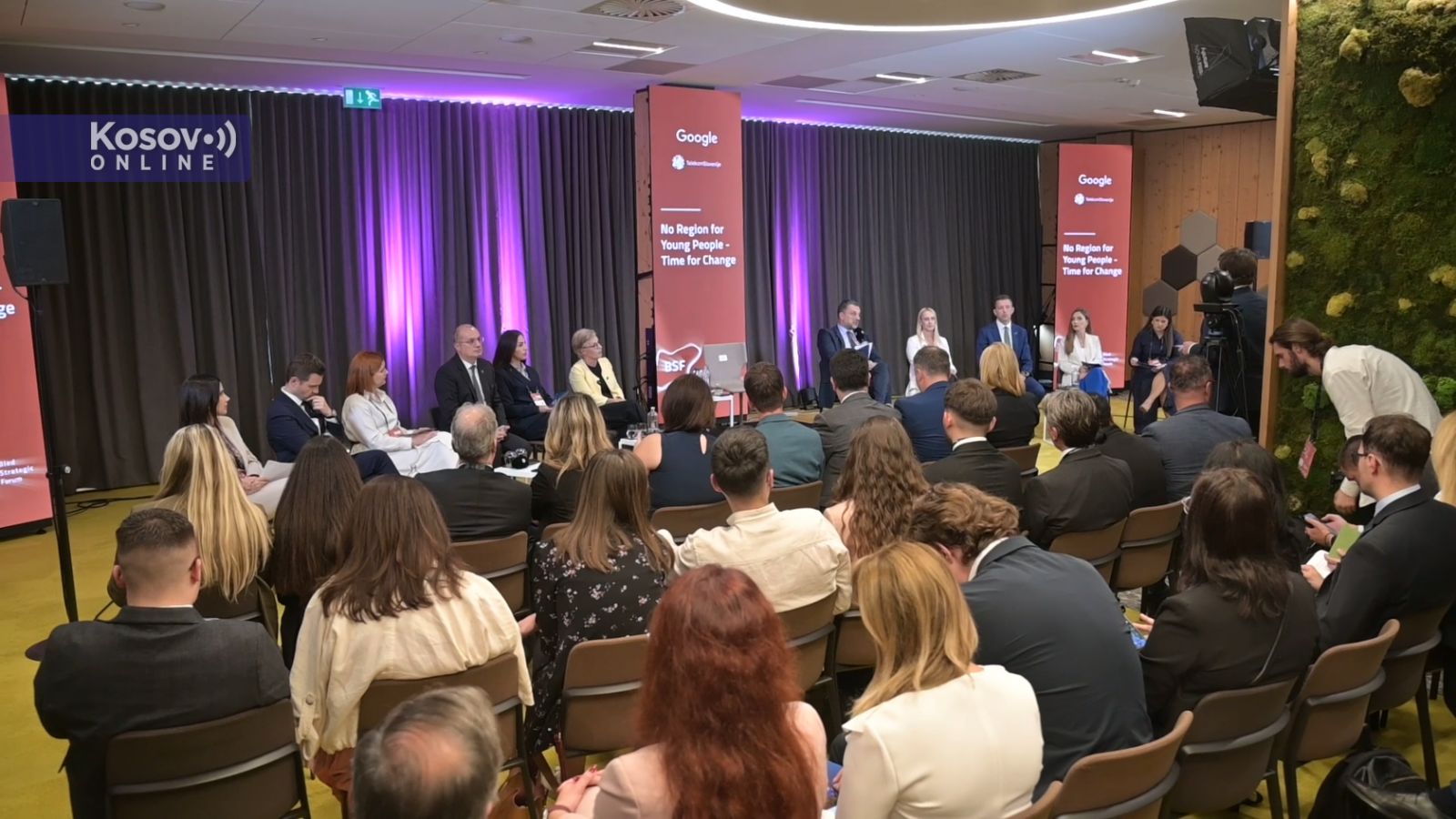
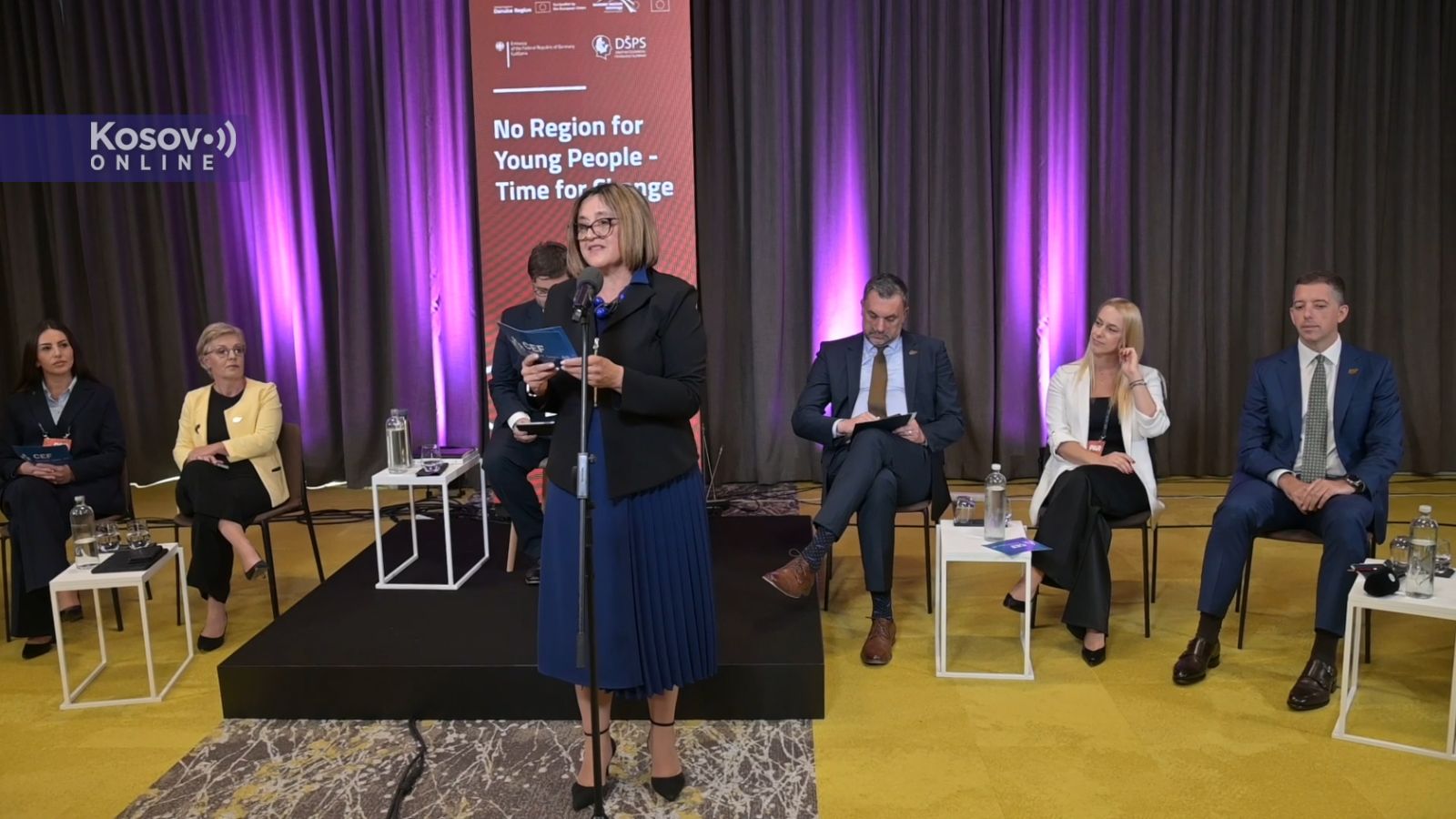


Kosovo’s Acting Minister of Foreign Affairs Donika Gërvalla noted that it is good and important to see young women speaking “loudly and clearly,” not only on their own behalf, but also on behalf of all women, confident in their power to effect change.
She stated that in Kosovo something fundamental has changed—women are no longer merely “tolerated” in politics, but have become an “integral part of the country’s development.”
Gërvalla pointed out that, in the current government, out of 15 ministries, five are headed by women—specifically key ministries such as justice, foreign affairs, industry, economy, and education. She also reminded that Kosovo, for the second time, has a woman serving as president.
“Kosovo is one of the few countries that has, for a second time, both a woman president and a woman foreign minister. This shows the importance we attach to women,” said Gërvalla.
She added that while parliament has introduced mandatory gender quotas, in the most recent parliamentary elections held in February, in her own parliamentary group no women entered because of quotas, but rather through the votes they received.
“In our society, we teach our daughters to be responsible, to take care of the home, to accept responsibilities… With boys, it is not the same—their mothers do not teach them to share responsibility at home. When you see how quickly women take on responsibility in their later lives, it is truly fascinating,” Gërvalla observed.
She concluded that systems must be established in which young women are able to realize their goals, not depending merely on someone’s will, but on fair opportunities.
The panel “No Region for Youth – Time for Change” also featured contributions from Albania’s Minister of Foreign Affairs, Igli Hasani, and North Macedonia’s Foreign Minister, Timço Mucunski.

comments