
Djuric: Congo principally respects the territorial integrity of Serbia; Gakos: We have no doubts regarding Kosovo
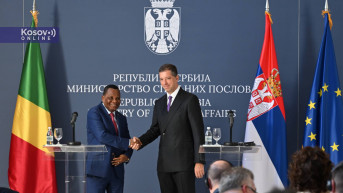
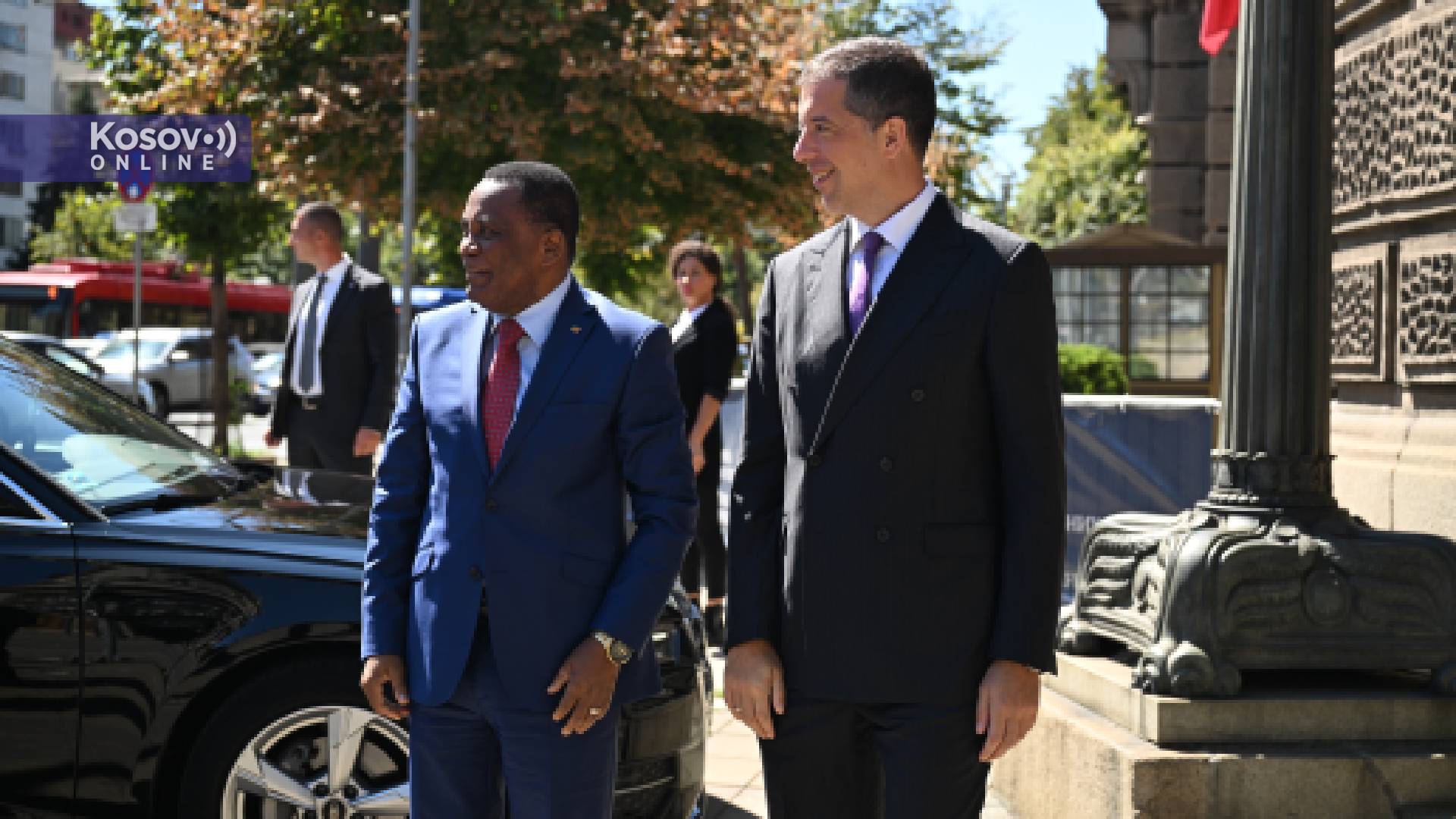
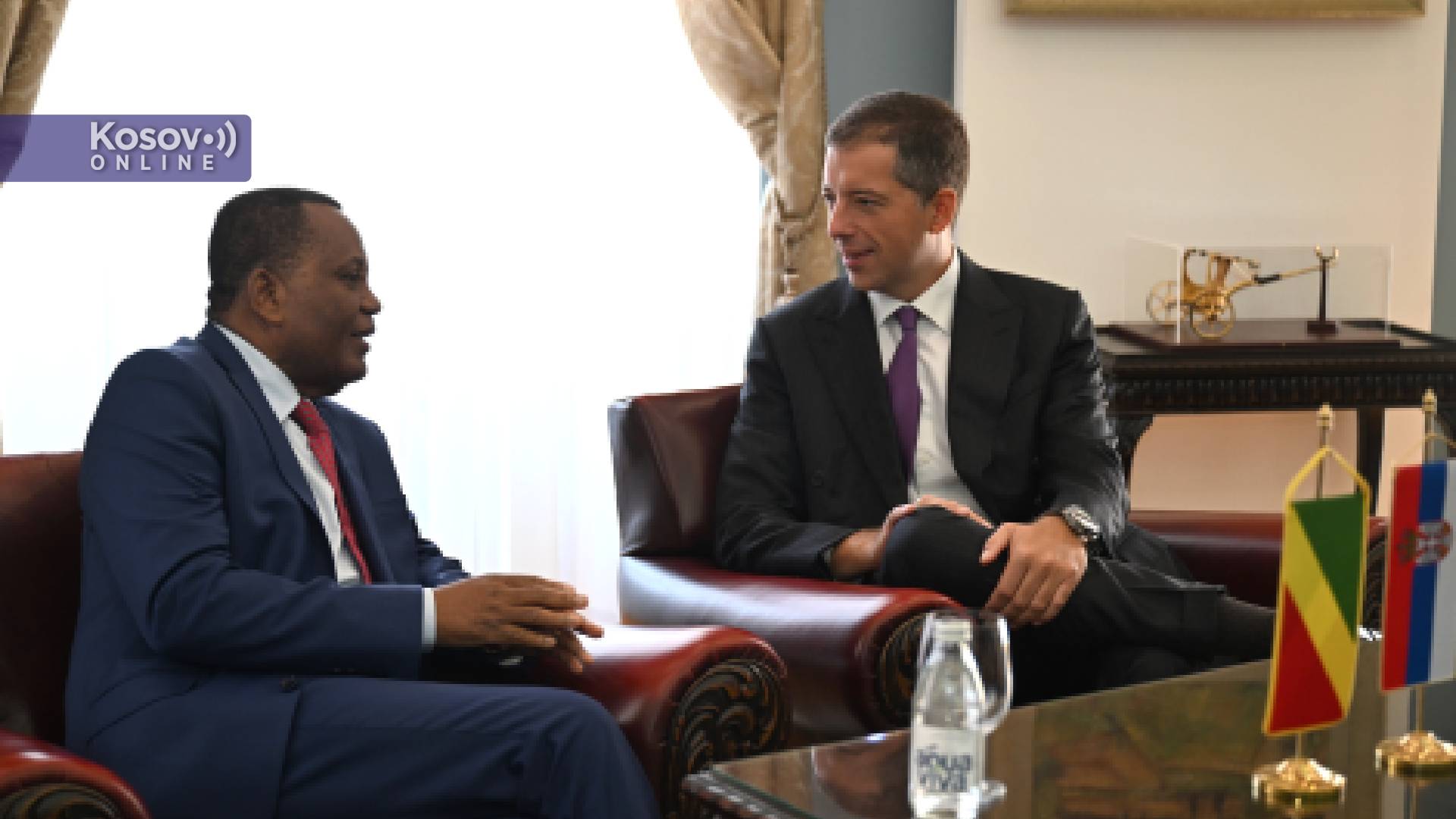
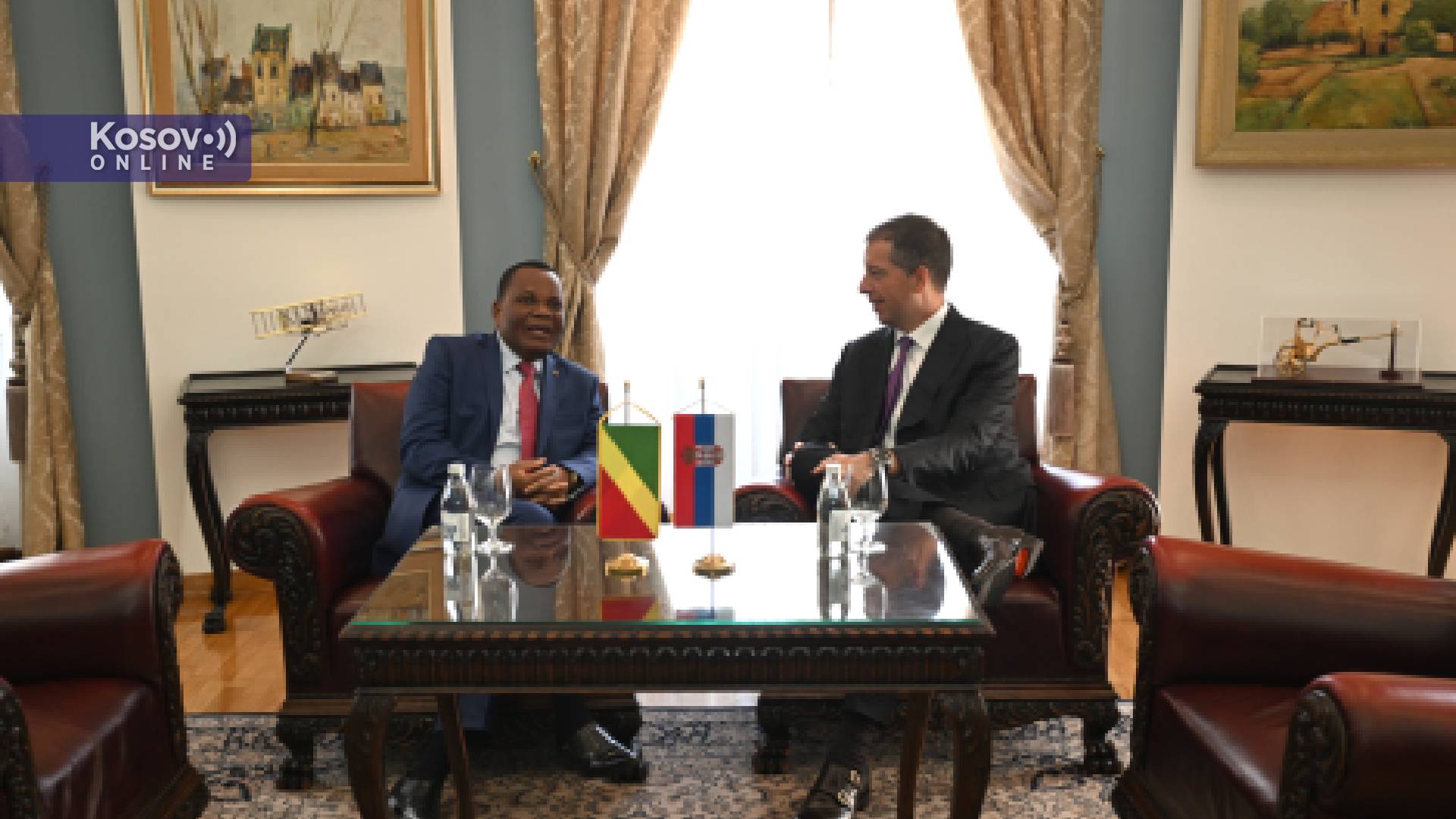
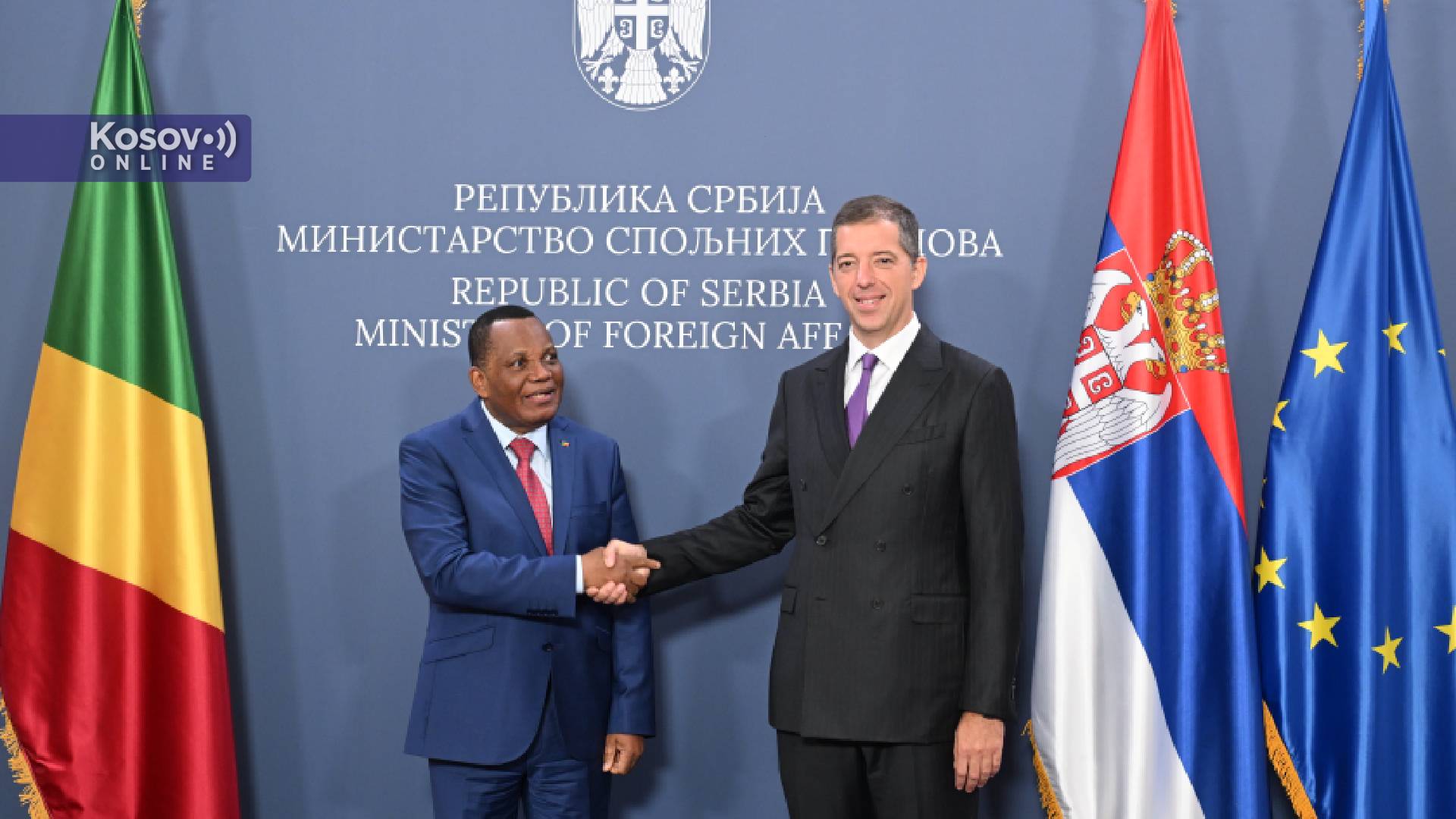
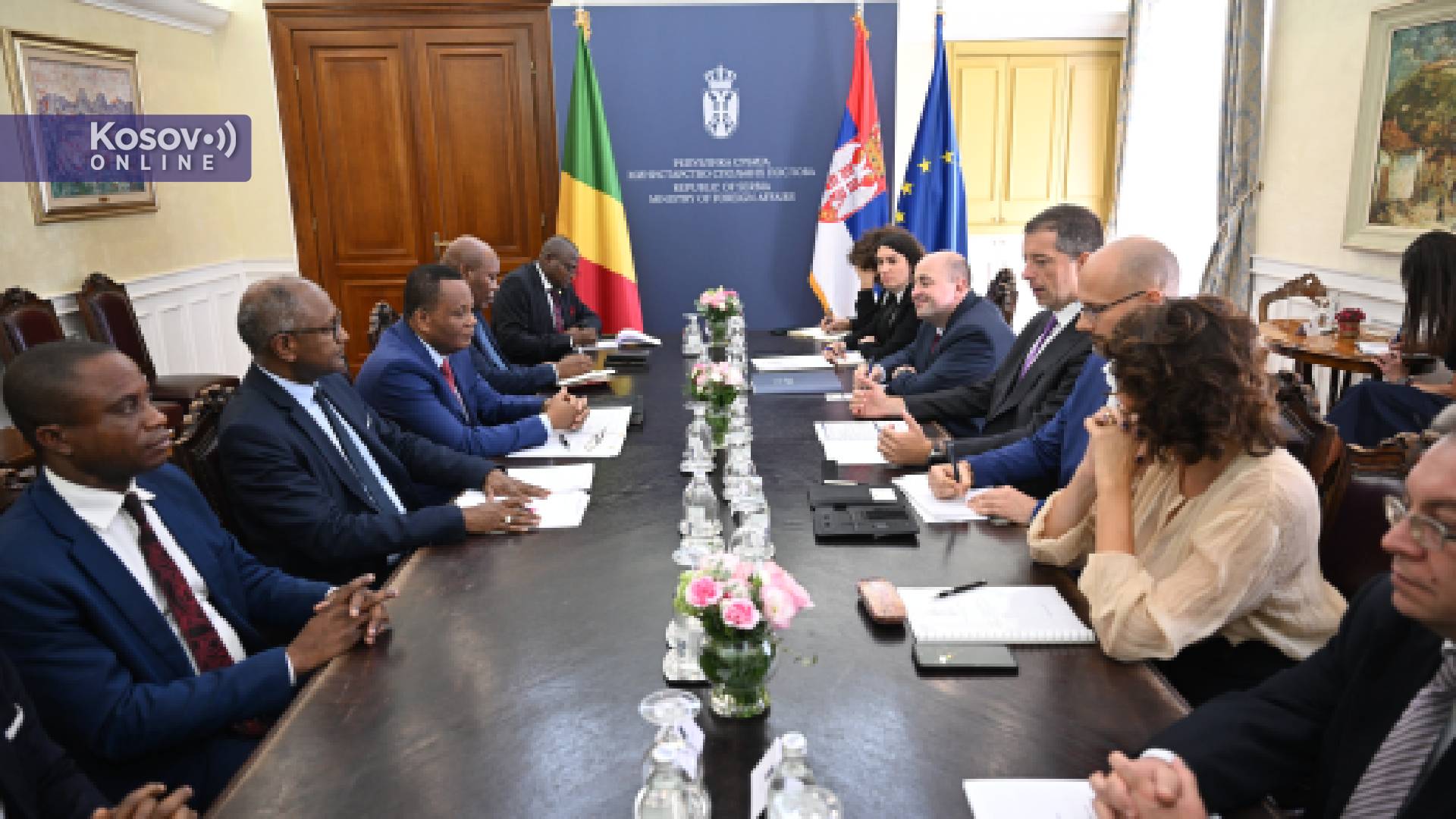
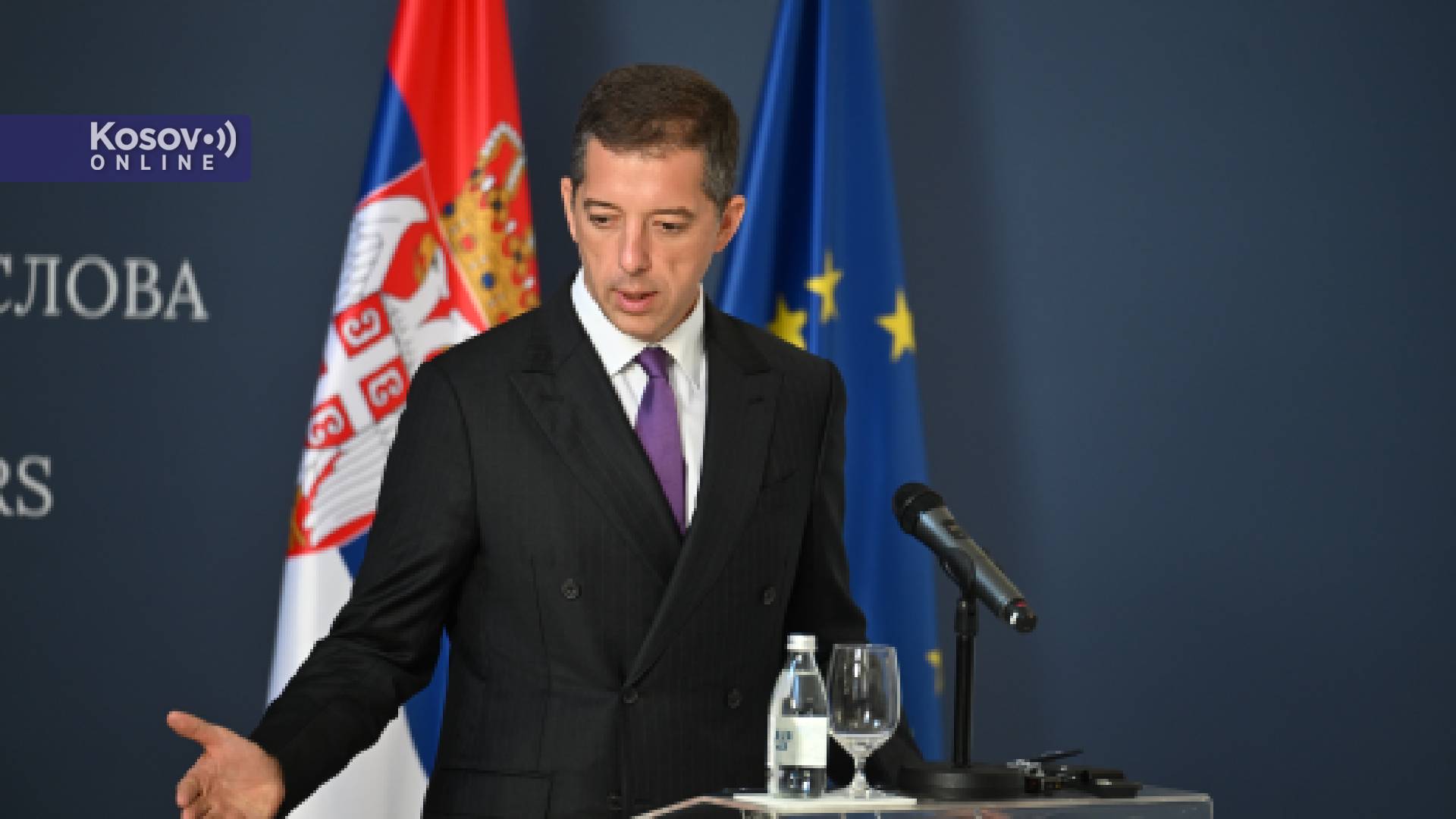
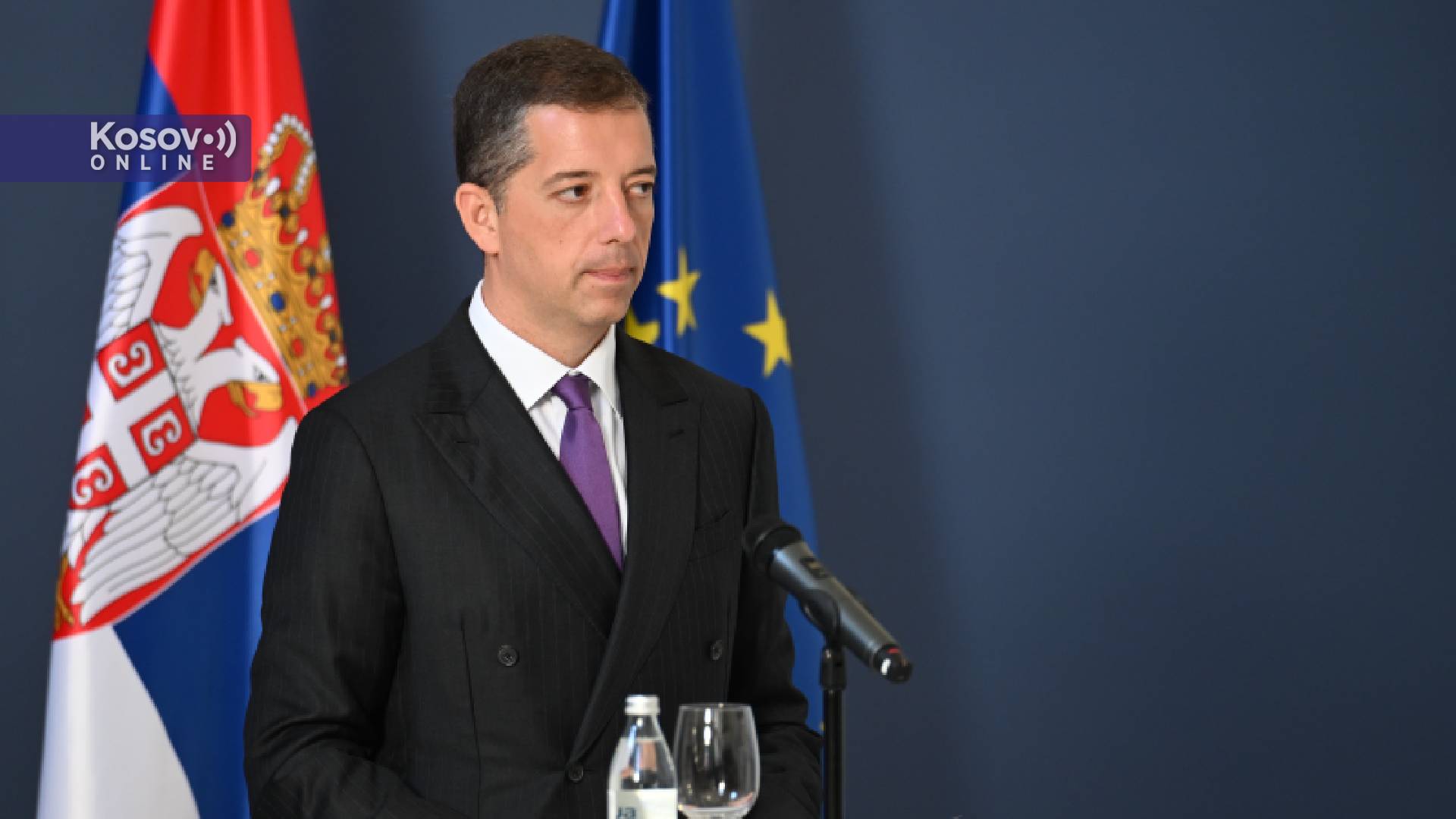
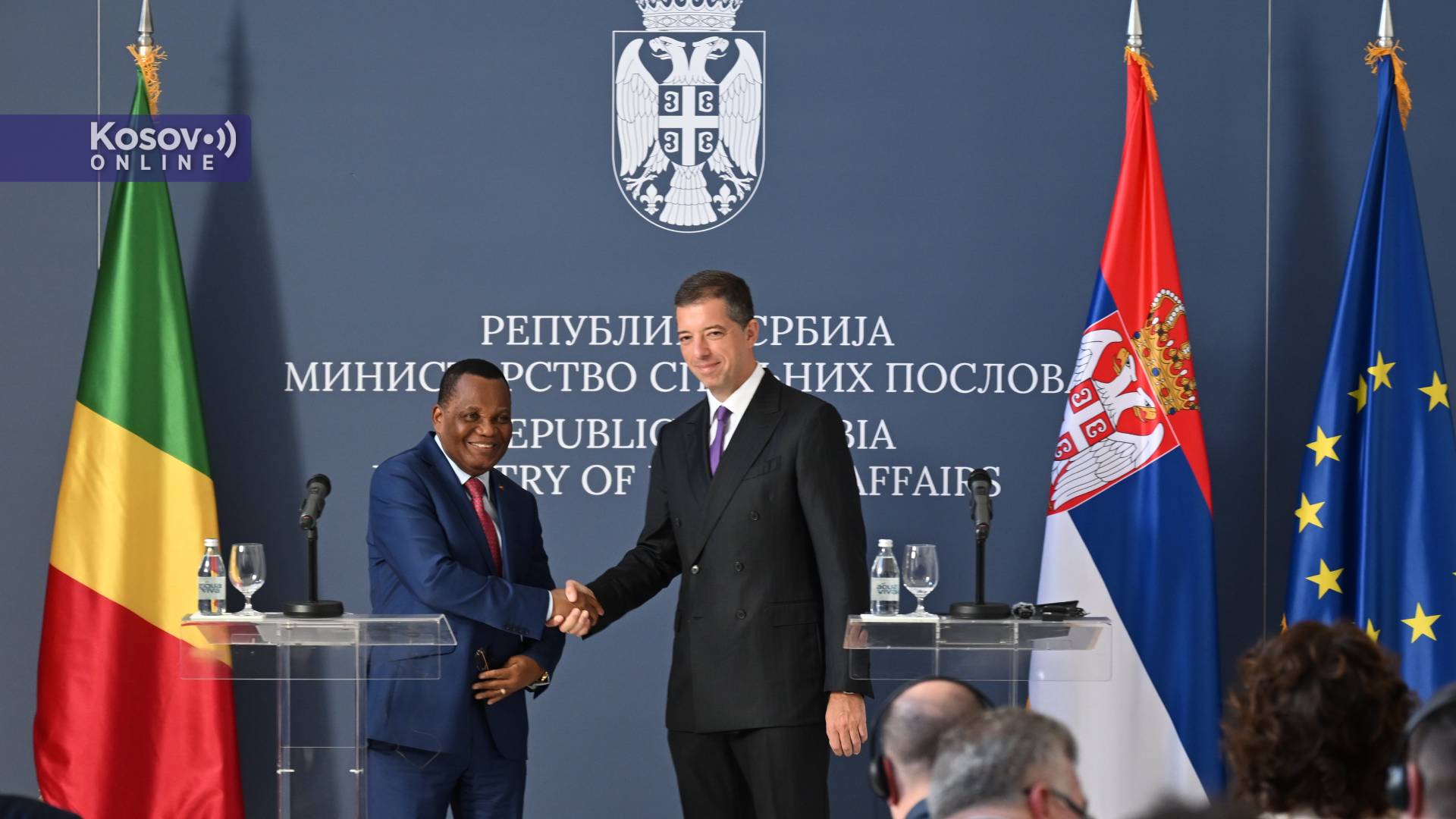
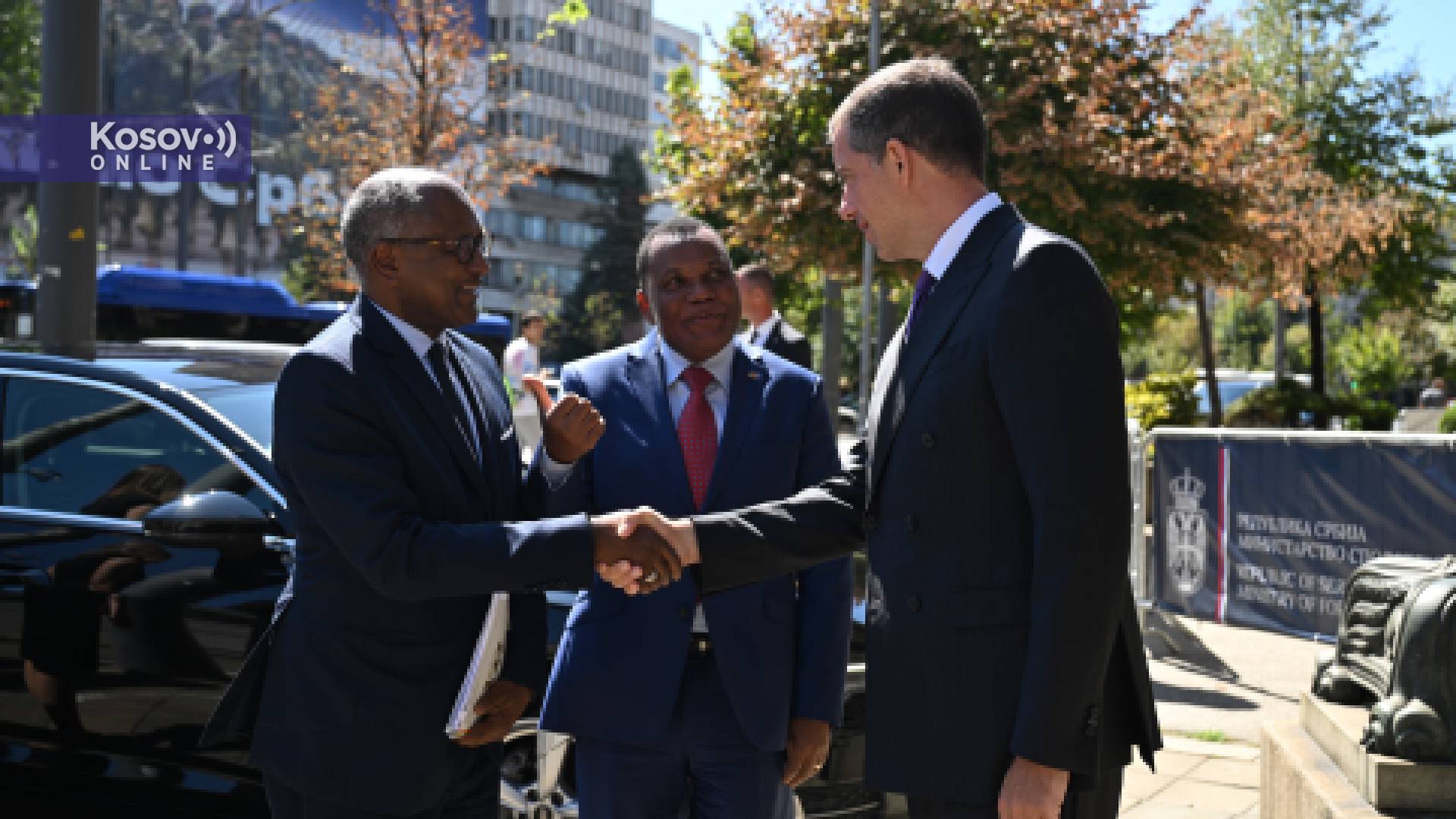
The Minister of Foreign Affairs of Serbia, Marko Djuric, today expressed gratitude to the Republic of Congo for its principled support of Serbia with regard to the issue of Kosovo, emphasizing that Congo has shown itself to be one of the most principled countries not only on the African continent but also within the international community as a whole when it comes to upholding territorial integrity.
The Minister of Foreign Affairs, Francophonie, and Diaspora of the Republic of Congo, Jean-Claude Gakos, underscored that his country has no doubts or ambiguities on the question of Kosovo, stressing that there can be no “variable geometry”—recognition in one case but not respected in another.
“This is particularly important at a time when we are witnessing the consequences of unilateral actions in international relations and violations of international law and the UN Charter,” Minister Djuric stated at a joint press conference with his Congolese counterpart.
He pointed out that even on the European continent it can be seen that this principle, when respected, safeguards peace, but when disregarded—leads to death, instability, and suffering.
“We are grateful that, by safeguarding our position, you are also protecting international law and order, while helping us to preserve something that is the soul of our people. Kosovo and Metohija is the soul of the Serbian people,” the Serbian Foreign Minister underlined.
He conveyed to his Congolese colleague the extremely difficult position of the Serbian people in Kosovo and the suffering they endure due to discrimination solely on the basis of their national and religious identity.
Minister Djuric also noted that Serbia’s cooperation with the Republic of Congo is oriented toward the future and toward tangible economic and project-based partnerships in the fields of defense and education, with a mutual desire that as many Serbian citizens as possible visit Congo, and vice versa.
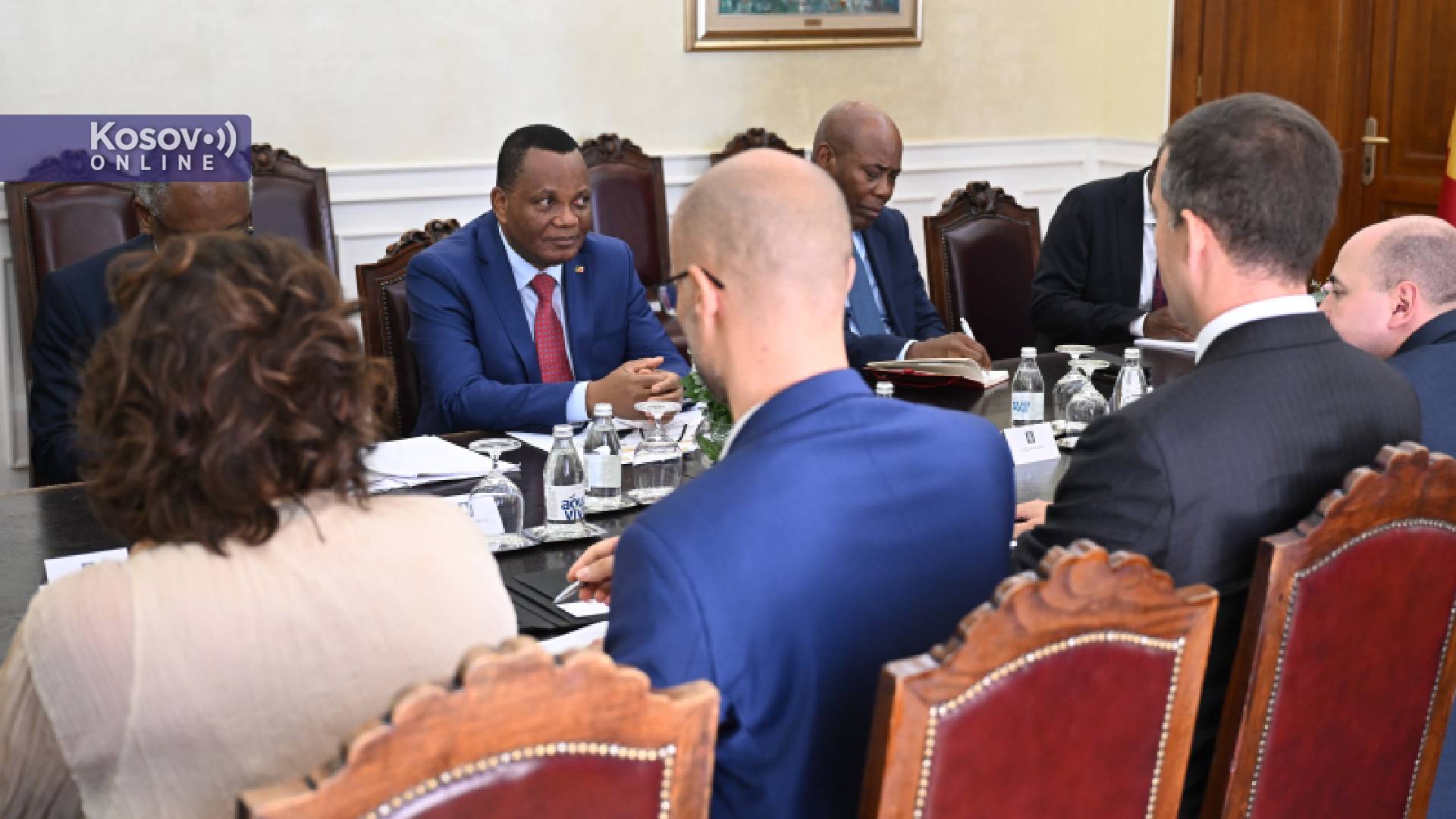
“We are very interested, and in the coming months we will launch institutional processes, including committees on economic cooperation, followed by various agreements on bilateral cooperation to expand our treaty framework,” said Djuric.
He welcomed the Congolese delegation to Expo 2027, the international exhibition that will bring together more than 130 countries.
“We want the Republic of Congo, as one of our key partners on the African continent, to have a very prominent role at this event. Europe and the world can learn much from Congo—in science, culture, and art. This will be a phenomenal opportunity to present ourselves to one another in a new light,” Minister Djuric said.
He told his Congolese counterpart that he should feel at home in Serbia.
“You are at home here. Your interests are also ours, and we are always ready to support them,” Djuric emphasized.
He added that their bilateral talks also touched on the candidacy of a Congolese representative for the position of UNESCO Director-General.
“We also discussed how to further enhance our cooperation in the multilateral sphere, which I am confident will only continue to grow and develop,” the Serbian Foreign Minister concluded.
Jean-Claude Gakos: No Doubts Regarding Kosovo, No “Variable Geometry”
The Minister of Foreign Affairs, Francophonie, and Diaspora of the Republic of Congo, Jean-Claude Gakos, stressed that his country has no doubts whatsoever on the question of Kosovo.
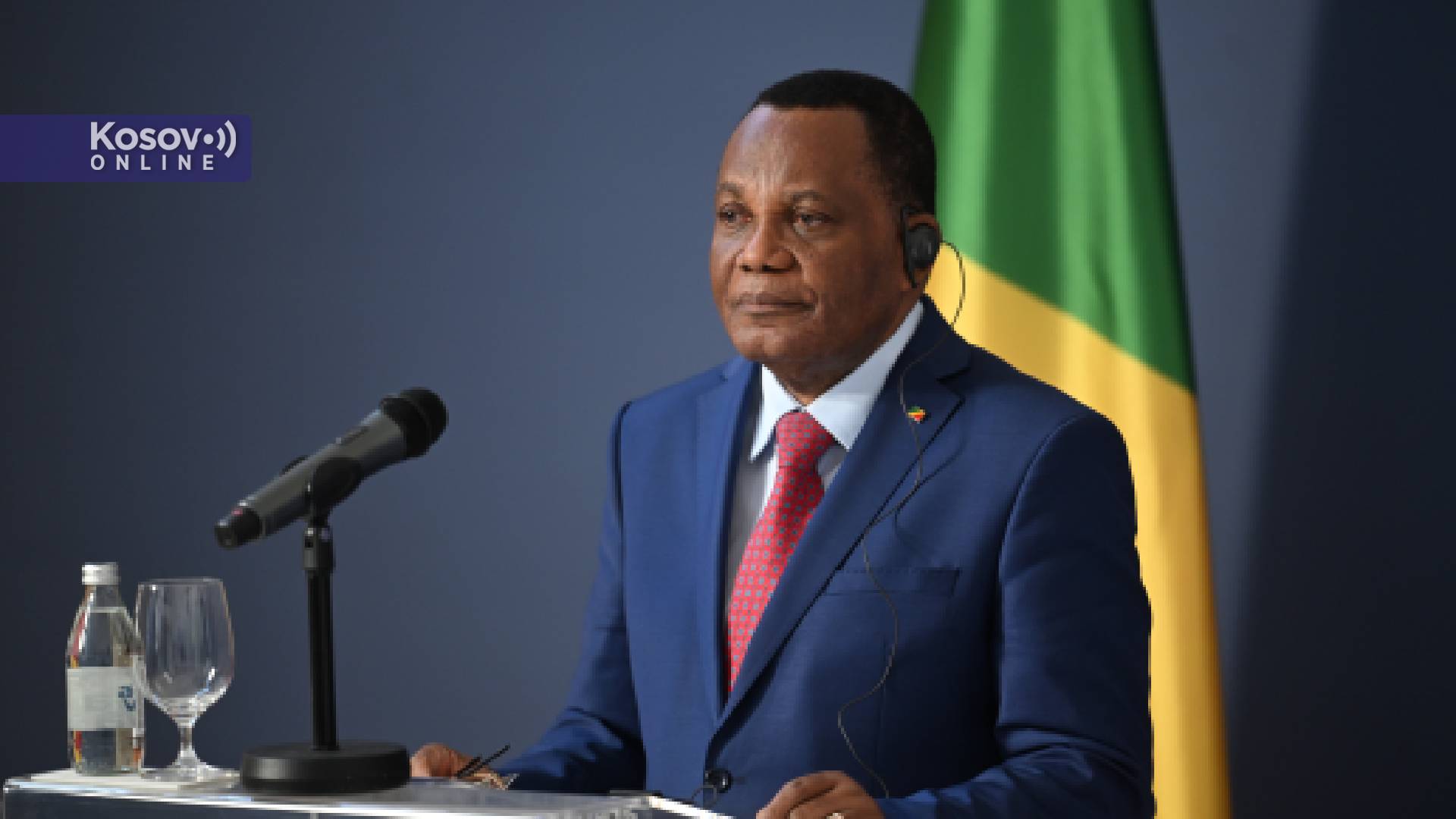
“Since I am in Belgrade, I wish once again to emphasize the position of the Government of the Republic of Congo, which has no doubts or uncertainties concerning the Serbian province of Kosovo. We firmly uphold the strict respect of the territorial integrity of states. There can be no variable geometry—recognizing for some, while disregarding for others,” Gakos underscored.
He added that this is why the position of Congo, and of other African countries as well, is clear—support for Serbia.
“There are no doubts on this issue,” he reiterated.
He explained that he had spoken with Minister Djuric about bilateral relations and added that the people of Serbia do not know Congo very well.
“We are a country covered by forests, with access to the sea. We produce oil—not much, but enough for our development. We are an open country where many states are present. Serbia is one of the few countries not present in Congo. I personally guarantee that Serbia has its place in Congo, and beyond,” Gakos said.
He added that Congo could serve as Serbia’s gateway into Central Africa.
He noted the advantage of the excellent relations between the two countries dating back to the time of Josip Broz Tito.
“Our people cannot forget the support that all of Africa received from Yugoslavia. We remain grateful for that support, not only for our independence but also for the process of emancipation of our countries,” Gakos added.
He pointed out that there are also projects in the field of defense and recalled that many Congolese officers received their education in Serbia.
He further stated that he had a constructive exchange with the Serbian Minister of Education, with whom he agreed to deepen cooperation in the field of scholarships.
“Education is of vital importance for countries striving for development, and Serbia is indeed the right partner for Congo in this regard,” Gakos emphasized.
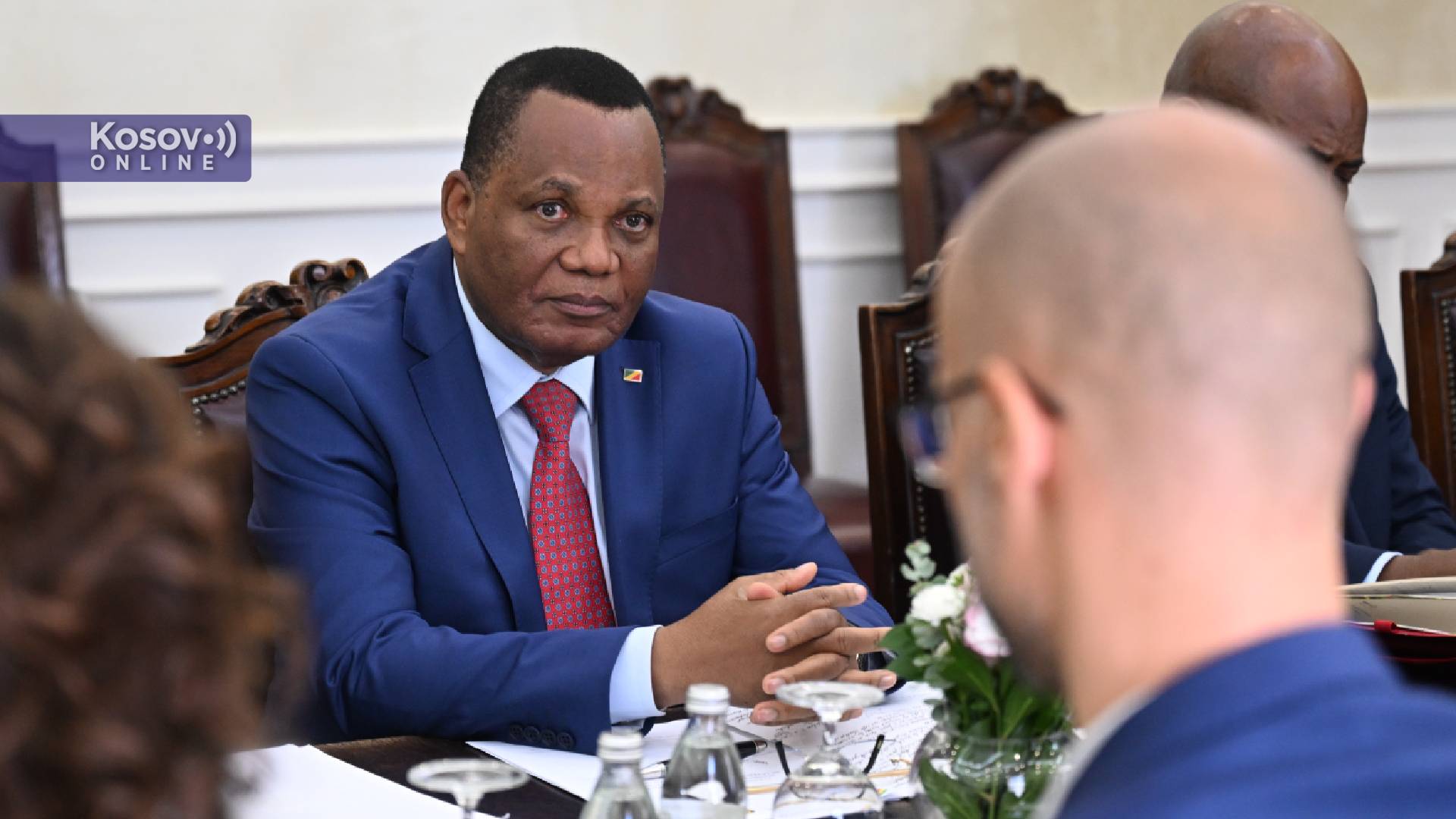


He also noted that he was accompanied by a leading UNESCO expert, Edouard Matoko, who is Congo’s candidate for the leadership of the organization.
“Mr. Matoko listened attentively to Minister Djuric’s remarks on the endangered UNESCO cultural heritage sites in Kosovo and Metohija. I told him that although he has not yet been elected, one of the first issues he would need to address would be precisely the protection of that heritage. We cannot tolerate that such valuable sites, which are part of our collective memory, be destroyed,” Gakos reported.
He emphasized that Matoko knows UNESCO very well, having worked there for many years.
“In our view, at a time when UNESCO is going through a difficult period—not only that institution but the entire UN system—when the withdrawal of the United States will have serious consequences for its finances, it is crucial that someone who knows the organization thoroughly take the lead. That is why we propose to our Serbian friends to support this candidacy,” Gakos stated.

0 comments