
Djuric: The future belongs to countries like Serbia and Benin, we share values and respect for the UN Charter

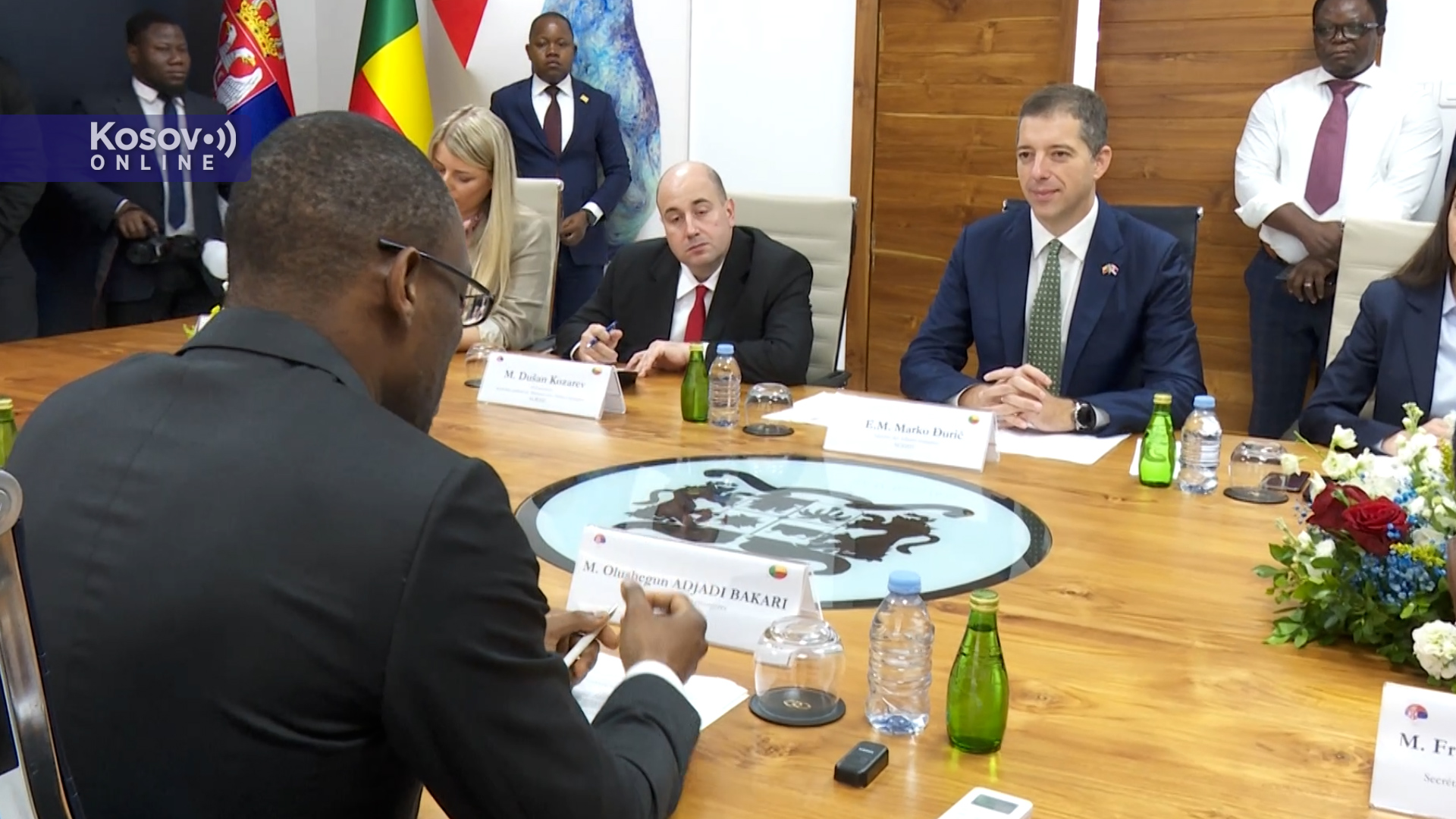
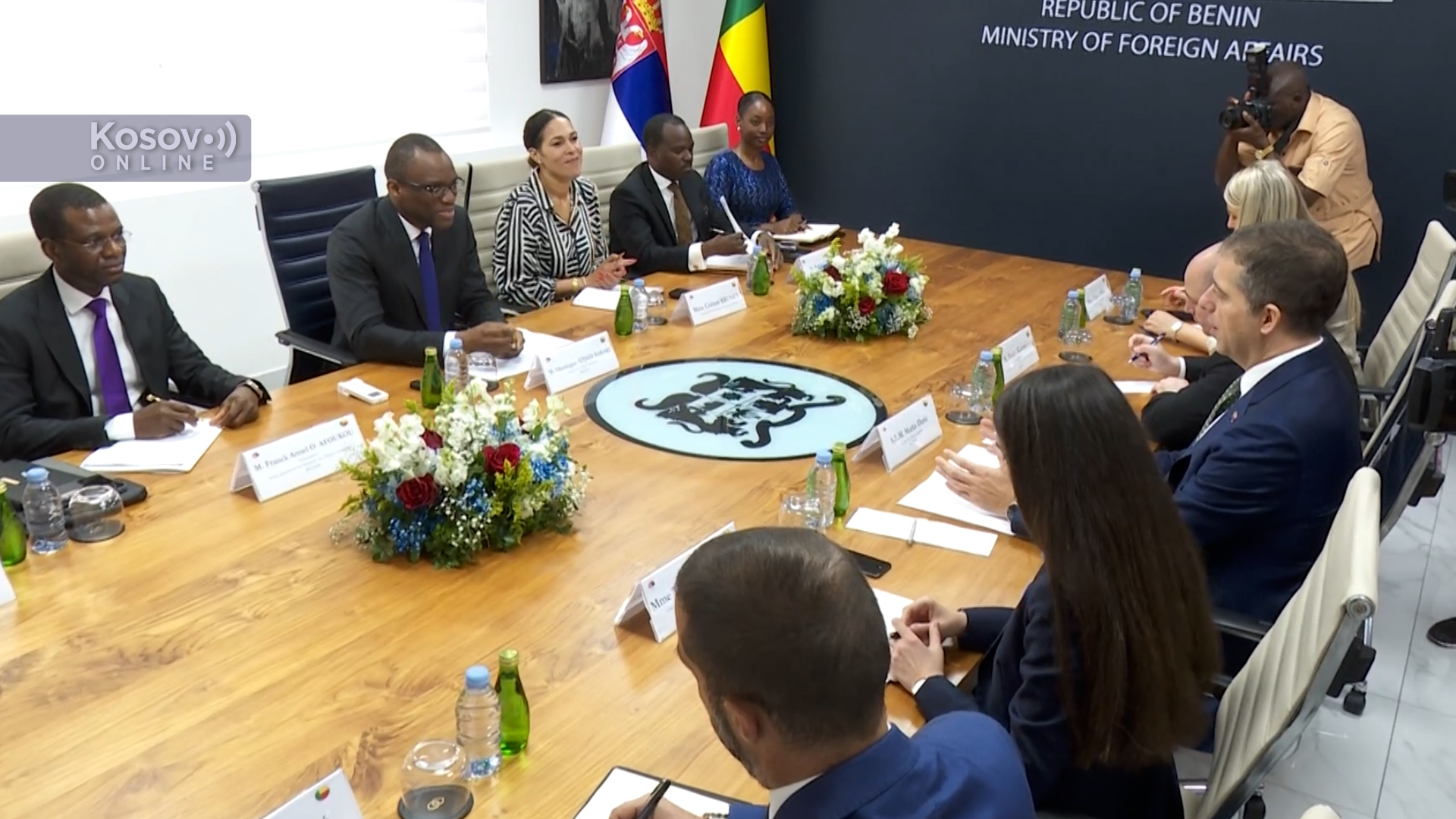
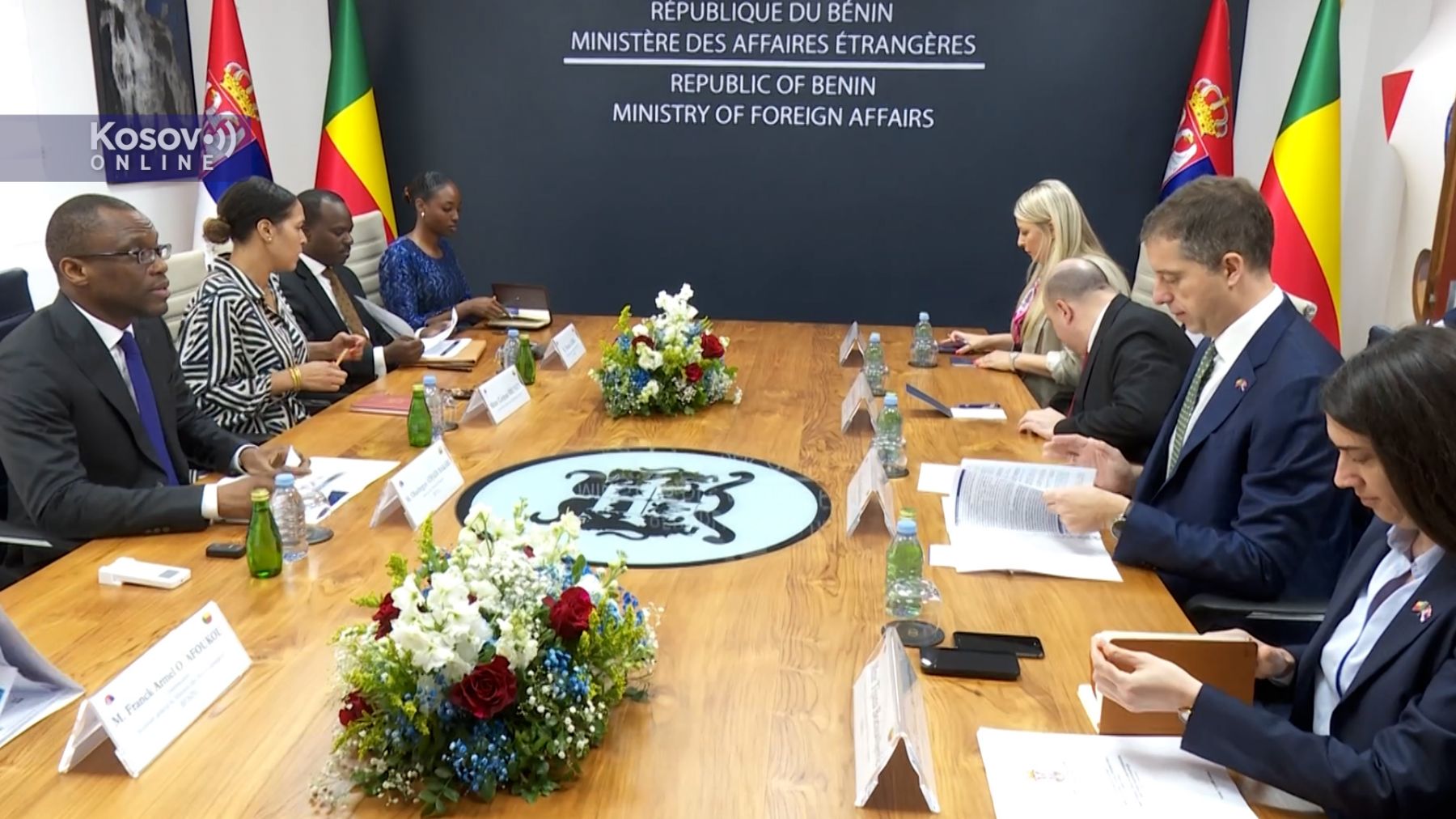
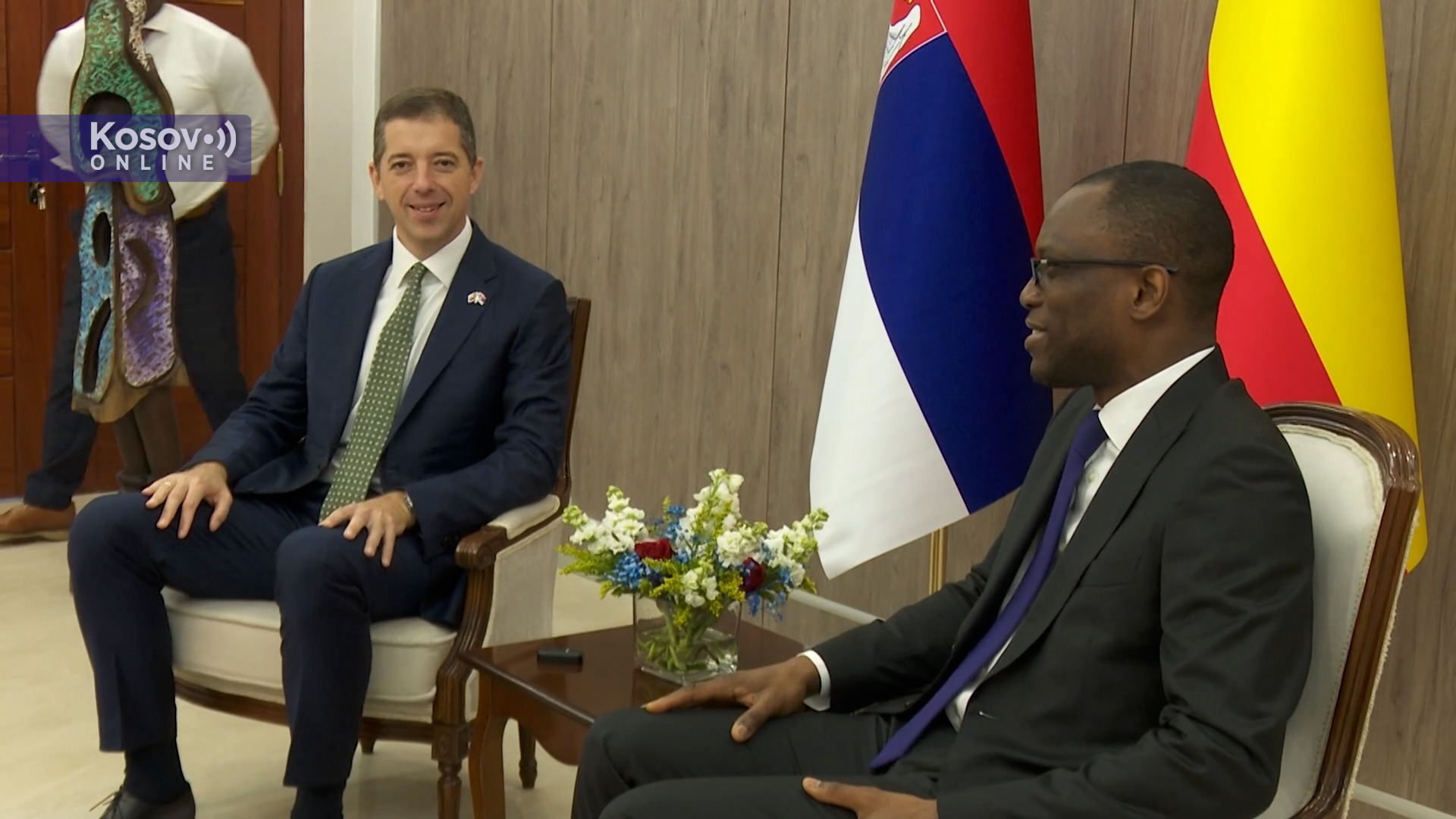
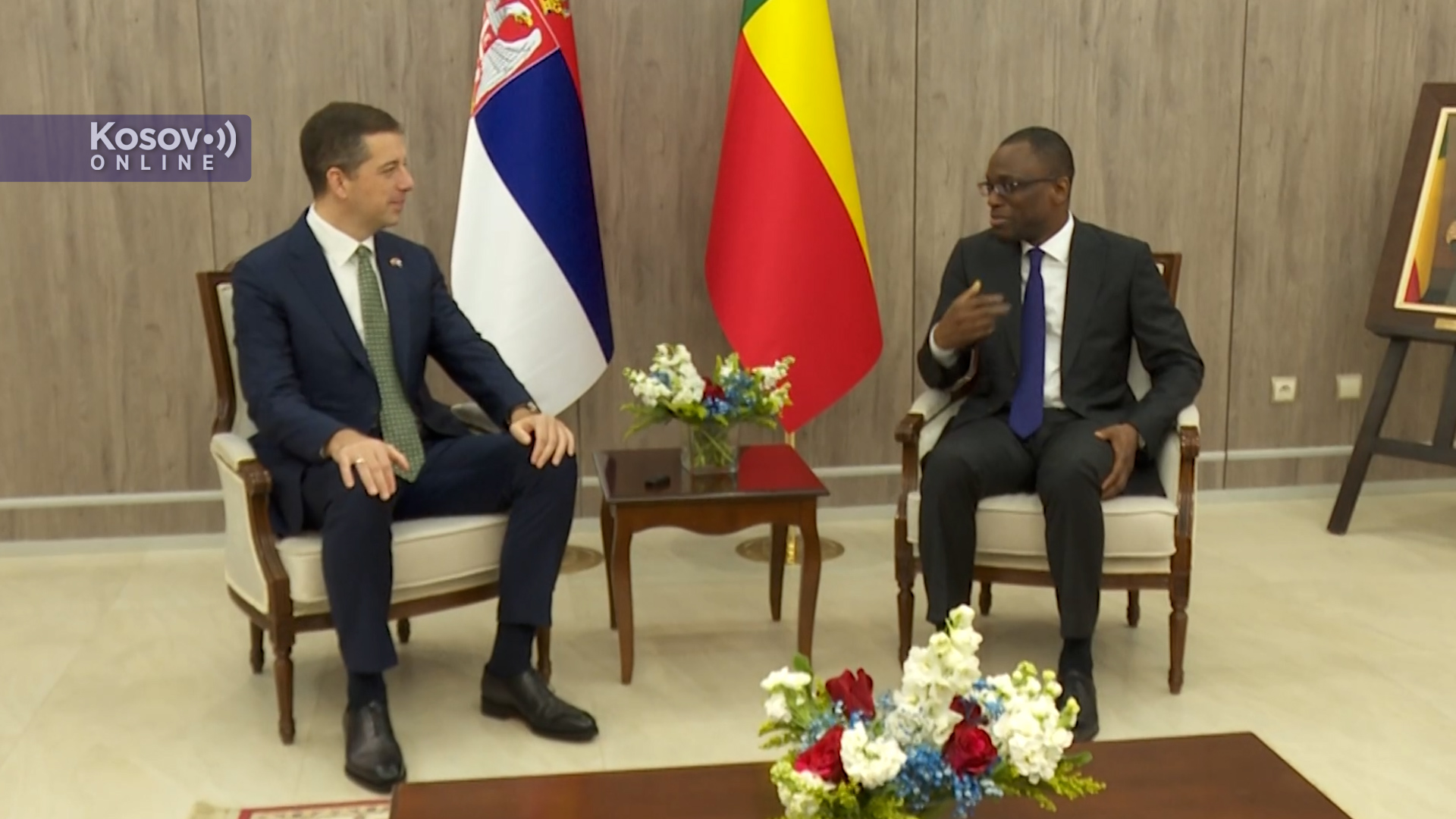
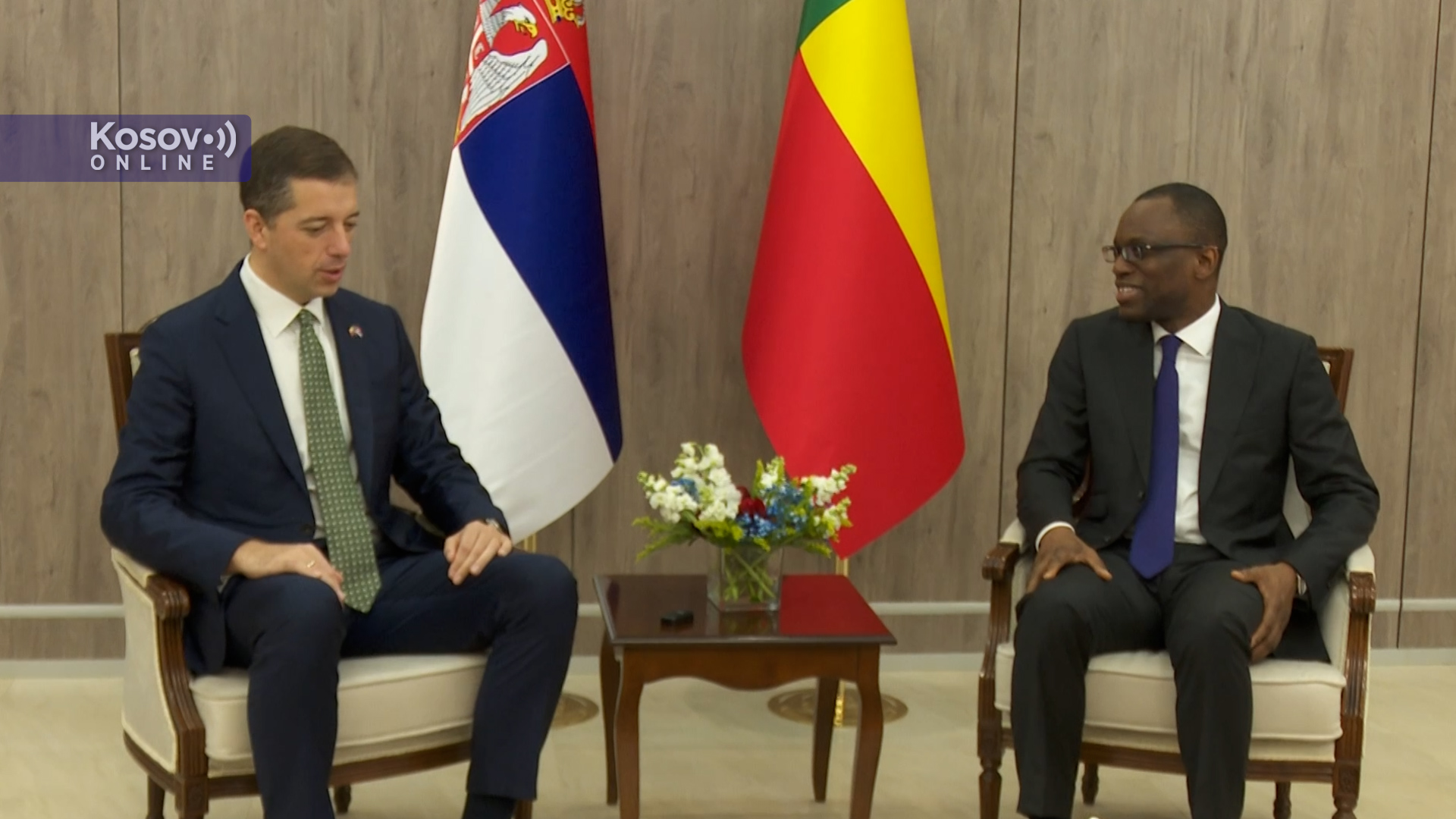
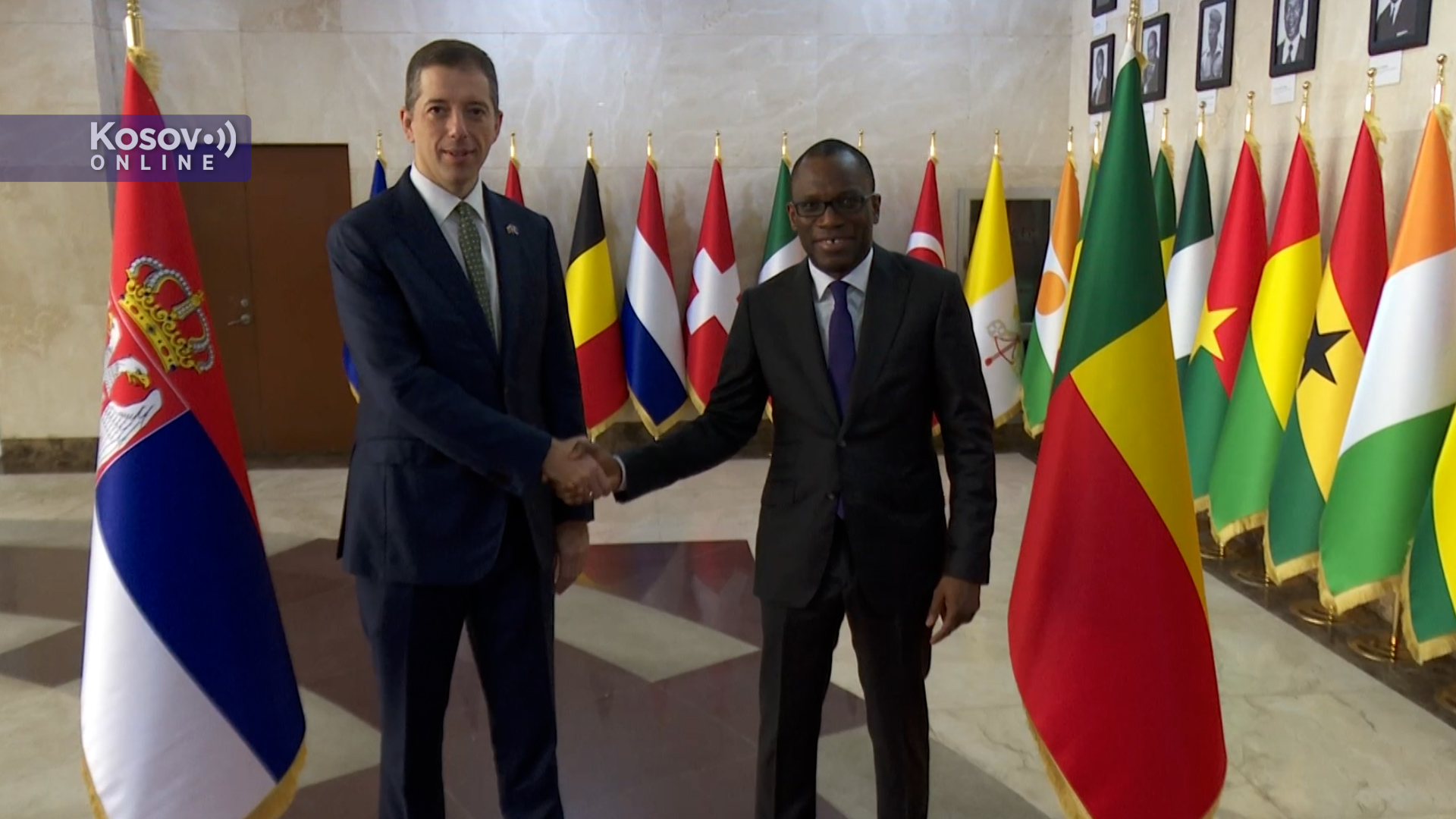
Serbian Foreign Minister Marko Djuric stated today from Cotonou, after a meeting with his Beninese counterpart Olushegun Adjadi Bakari, that the future belongs to countries like Serbia and Benin, which are focused on securing prosperity for their citizens and economic growth. He emphasized that the two countries share common values and respect for the United Nations Charter.
“Serbia is very interested in strengthening close ties with Benin. With my friend Bakari, during his visit to Belgrade, we already recognized the parallels between our approaches to numerous global issues, which means we share common values, respect for the UN Charter, and a desire to see peaceful solutions to many of the disputes among the great powers. We also want to explore economic opportunities for our peoples,” Djuric said.
He conveyed that during his visit to Benin, which began yesterday, he met with numerous high-ranking officials of the African country and many ministers, with whom he held concrete political consultations on further developing political as well as economic ties.
“I strongly believe that the future belongs to countries like Benin and Serbia, which are focused on the well-being of their citizens and economic development,” Djuric emphasized, adding that he noticed numerous construction sites, dynamic changes, and signs of development in the city – a legacy of President Patrice Talon and his administration – for which he congratulated his hosts.
He added that one of the topics discussed in Benin was cooperation in the field of education, noting that Serbia would be ready to increase the number of scholarships for students from Benin.
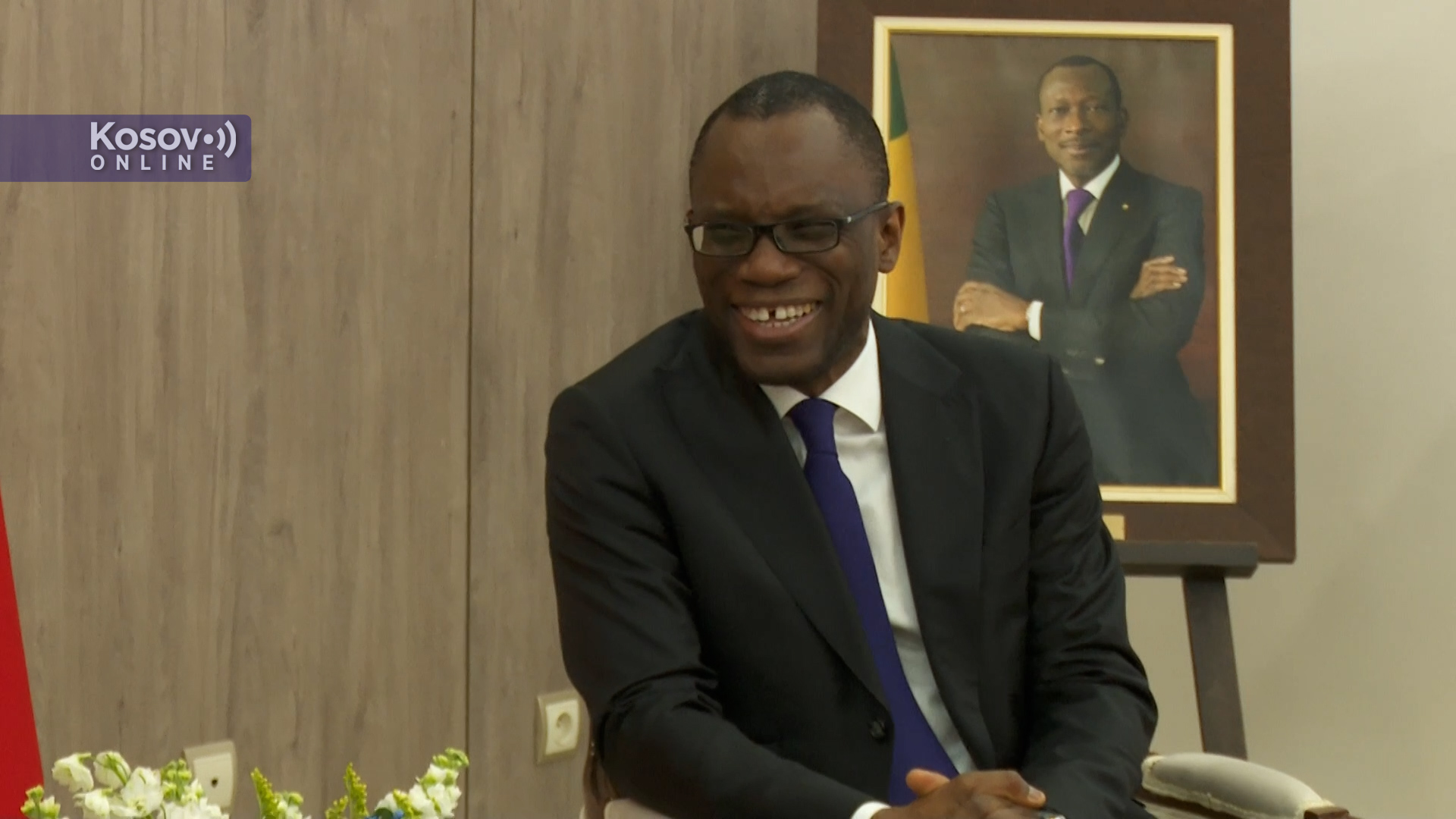
Beninese Foreign Minister Olushegun Adjadi Bakari expressed satisfaction at having the opportunity to host Marko Djuric, the first Serbian foreign minister to visit the country.
He pointed out that Serbia had played an important role in achieving the independence of African countries under the leadership of President Josip Broz Tito.
“To receive the Serbian Foreign Minister in Benin just days before the 65th anniversary of our independence is an important message and a significant sign for Benin’s diplomacy and the relations between our two countries,” Bakari emphasized.
He noted that Serbia and Benin share the same values and have a common perspective on global affairs.
“We agreed to strengthen relations between our two countries in order to build a strong partnership for the benefit of our citizens. We want stronger ties between our countries, in an increasingly complex world,” Bakari stated.
In response to journalists’ questions, Bakari reiterated that Benin shares many things with Serbia, explaining that the relations are broadly based, as reflected in the discussions Minister Djuric held during his visit.
“Minister Djuric met with the ministers of defense, tourism, and sports. In a few minutes, we will hold our first political consultations,” Bakari said.
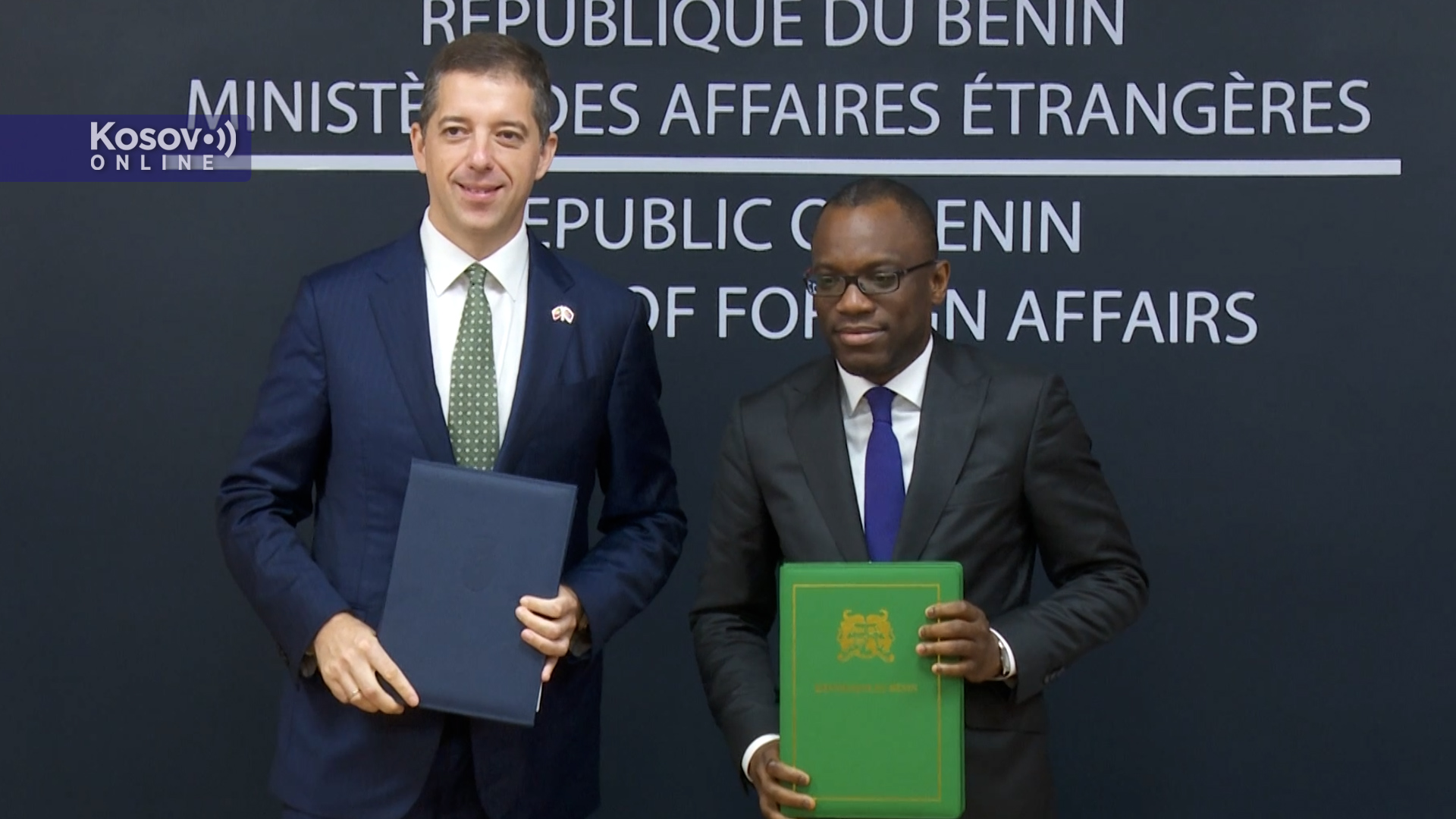
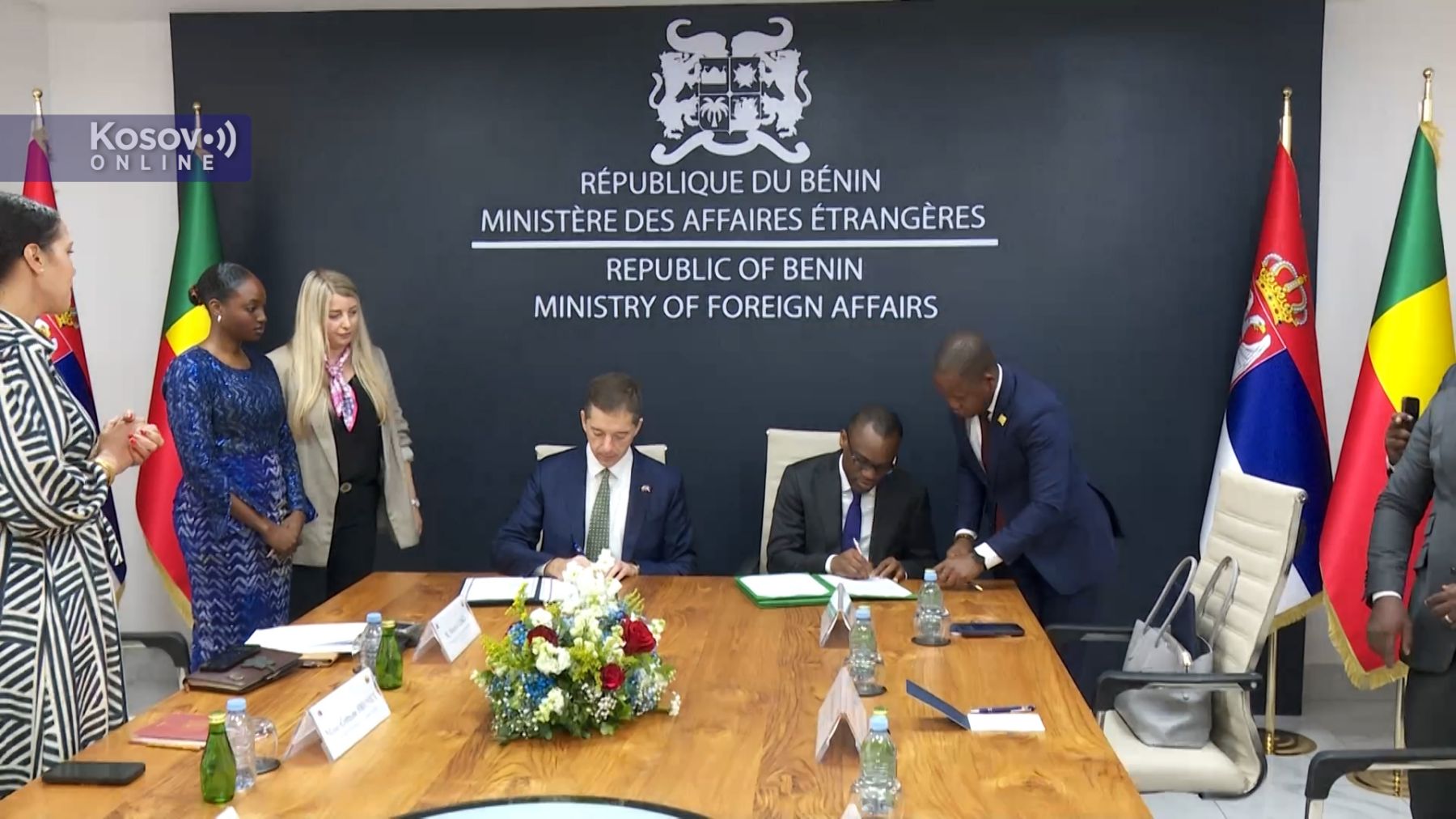
Djuric and Bakari today signed an Agreement between the two countries on the abolition of visas for holders of diplomatic and official passports.




0 comments