
Drecun: The entire KLA is on trial; we have evidence that it is a joint criminal enterprise
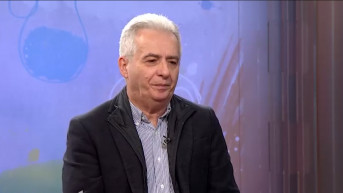
The president of the Committee for Kosovo and Metohija in the Serbian Parliament, Milovan Drecun, said on the occasion of the start of the trial of four former KLA leaders today in The Hague that the Serbian side had made a decisive contribution to proving that it was a joint criminal enterprise, in other words, that the KLA had been hierarchically organized, RTS reports.
Drecun states that more than 30,000 evidentiary documents and hundreds of testimonies were collected.
"There is also evidence collected by the working group that I formed and that worked for six years to gather evidence and facts," Drecun said.
He points out that the accused are charged with individual guilt and joint criminal enterprise – that they did not prevent or punish subordinates who committed crimes.
Drecun states that the problem for the prosecution was defining the indictment because they did not have evidence to show that the KLA was a hierarchically organized organization.
"Namely, although the Albanians claimed they were independent groups, the Serbian side submitted the materials that were seized by our forces during the conflict with KLA members to the prosecution, which made it possible to prove hierarchical organization. Regardless of how hard they try to say that this is not a trial of the KLA, it is a trial of the KLA because we are talking about a joint criminal enterprise, and it is stated that everyone from the political-military top, through the operational zone commanders, to the most ordinary soldier and the government of Kosovo participated, so the whole organization is being tried for crimes," Drecun said.
He points out that they cooperated well with the Special Court's prosecution during the investigation and that they told him then that they would base the indictment on illegal detentions.
"We identified 159 detentions, six of which were in Albania, and provided all documentation. They searched around 40 different locations, and the indictment is based on them. They said at the time that the crimes would be most easily linked through those detentions," Drecun said.
When it comes to organ trafficking and the so-called yellow house, Drecun claims he was told that prosecuting the case would be difficult due to the passage of time and a lack of evidence.
"Williamson stated back in 2014 that they had evidence, but it was insufficient for the prosecution at the time, so they continued to work. Dick Marty said that the cooperation between Albania and the temporary institutions in Pristina had been non-existent," Drecun stated.
He also reminds that the forensic reports from the locations of illegal detentions in Albania were sloppy and that the court stated that they could not be used as evidence.
"The material that was in the International Criminal Court was destroyed under the pretext that they didn't have enough space in the archive to store it," Drecun said.
He adds that only the report of the visit of the head of the investigation department, which mentions eight witnesses and includes their statements, has been preserved. The question, he emphasizes, is what happened to those witnesses.

0 comments