
Drecun: Kurti’s idea of KFOR withdrawal is an attempt at destabilization and pressure on Serbia
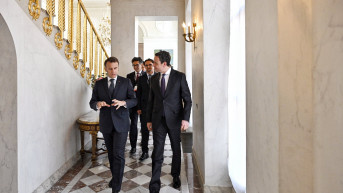
The request by Kosovo Prime Minister Albin Kurti for the withdrawal of KFOR has no real basis, and any potential presence of the Kosovo Security Force in the north of Kosovo would directly endanger the position of the Serbian people, said Milovan Drecun, Chairman of the Defense and Internal Affairs Committee of the Serbian Parliament.
Drecun told RTS that he believes Kurti’s demands have no foundation within NATO to be accepted.
“That proposal is meaningless in terms of the real situation on the ground, but it would lead to major destabilization,” he stressed.
Drecun added that a potential withdrawal of KFOR and the arrival of the Kosovo Security Force at the administrative line would lead to direct contact with Serbian forces, which would significantly increase the risk of incidents.
He warned that accepting such proposals would mean a serious change to the existing security structure on the ground, which is defined by international agreements.
“If KFOR were allowed to leave the administrative line, it would certainly lead to incidents and conflicts,” Drecun emphasized.
According to him, Pristina’s intention is to provoke crises and shift responsibility onto Belgrade, with a narrative about alleged aggressive plans by Serbia.
Drecun believes that behind all these demands lies a broader political goal – completing institutional and security control over the entire territory of Kosovo, especially the north.
“Their goal is to reach the administrative line, form some kind of border units, and complete the formation of the so-called Kosovo army,” he explained.
Drecun says that such a move would in practice also mean the physical separation of Serbs in northern Kosovo from central Serbia, which he sees as one of Pristina’s key strategic goals.
Although Kurti, as stated, is trying to secure France’s support, Drecun does not believe that Paris will accept such an initiative.
“I do not believe that Macron can make such a wrong assessment and support that idea. It would damage relations with Serbia, which are at a high level,” he said.
He recalls that France is not among the key countries actively supporting the transformation of the Kosovo Security Force into an army, unlike the United States, the United Kingdom, Germany, and Turkey.
“Any deployment of the Kosovo Security Force to the administrative line would lead to destabilization, and that is not in NATO’s interest,” Drecun concluded.
During talks with the President of France, Kurti sought that country’s support for Kosovo’s European integration and membership in international organizations, and as stated in a press release by the Kosovo government, he also spoke about Kosovo’s security, which is “above all the security of its borders”, as well as the “continuous development of local defense capacities”, and about relations with Serbia in connection with the dialogue process in Brussels and the implementation of the agreement on full normalization.
That Kurti would meet with Macron was announced the night before last by Serbian President Aleksandar Vucic, stating that the Kosovo Prime Minister would have two demands – that France condition Serbia so that weapons it procures must not be used against Albanians, and that it support the proposal for NATO to leave the Ground Safety Zone in the north and for the Kosovo Security Force to move to the north.



0 comments