
EC report on Kosovo: Limited progress, a review of the "European draft" of the CSM Statute is required
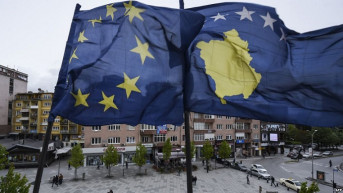
In the Draft Report on Kosovo’s Progress, which is expected to be presented before the European Commission on November 4, most chapters refer to “limited progress,” “some progress,” while in certain cases it is stated that “no progress” was made, Koha reports.
Kosovo was most criticized for the situation regarding freedom of expression, where no progress was recorded, and for the actions in the north, which, as the report also states, were contrary to Kosovo’s obligations toward the EU and the process of normalizing relations.
The report highlights the divided domestic politics and confrontational campaigns ahead of the general elections on February 9, 2025, followed by a political deadlock due to the inability or unwillingness of political parties to find a way forward toward forming institutions.
It is assessed that Kosovo made limited or no progress over the past year, mainly due to political polarization during the February 9 elections and the ensuing political stalemate.
“The reporting period was marked by divided domestic politics and confrontational campaigns ahead of the general elections on February 9, 2025. This was followed by a political stalemate due to the inability or unwillingness of political parties to find a way forward in establishing institutions. The government has been in a caretaker status since March 23, with only limited executive powers to carry out day-to-day affairs,” the draft report states.
In the section on Kosovo’s relations with the EU, it is noted that Kosovo citizens already enjoy visa liberalization and that Kosovo has also adopted the Reform Agenda within the Growth Plan. However, it is stated that Kosovo was unable to benefit from the first disbursements, as it could not ratify the relevant agreement with the EU on funds and loans.
Lifting of measures once power is transferred in the north
The report also notes that during this period the EU’s punitive measures against Kosovo continued, and that the Commission began working on their removal in May of this year.
“Further steps are conditioned on sustainable de-escalation in the north. The Commission intends to further lift financial measures if a smooth transfer of power in the north takes place after the second round of local elections and if de-escalation proves sustainable,” the text states.
A large part of this year’s report is dedicated to the process of normalizing relations between Kosovo and Serbia, with a renewed emphasis that fulfilling obligations from this dialogue is a prerequisite for both Kosovo and Serbia in the EU integration process, as well as for benefiting from the Western Balkans Growth Plan.
In the section on fulfilling obligations, Kosovo is once again called on to initiate the establishment of the Community of Serb-majority Municipalities, while Serbia is urged to recognize Kosovo’s documents and symbols. Kosovo is required to begin a procedure to review the “European draft” of the CSM Statute, Koha writes.
The report notes that progress in normalizing relations has been hindered by the political situation in both Kosovo and Serbia, as well as by Serbia’s failure to take measures against the perpetrators of the Banjska attack.
It reiterates that the withdrawal of Serbs from Kosovo institutions in 2022 and their boycott of the local elections in April 2023 marked “a serious step backward” in Serbia’s obligations under the dialogue agreements. However, it welcomes the participation of Serbs in the parliamentary elections on February 9 and in the recently held local elections, which are considered the beginning of their return to Kosovo institutions.
“The EU reiterates that the return of Kosovo Serbs to Kosovo institutions, including the judiciary and law enforcement, must be carried out in line with dialogue agreements and with full respect for Kosovo’s legal framework,” the text states.
Serbia’s actions against Kosovo in international forums were also criticized. The report repeats the call for Kosovo and Serbia to implement the obligations from the Brussels Agreement and its implementation annex and to engage more constructively toward normalizing relations, avoiding language contrary to the spirit of normalization. It is reiterated that the “formalities” surrounding the agreements should not be used as an excuse for non-implementation.
No progress in freedom of expression
The Commission is expected to conclude that no progress has been achieved in terms of freedom of expression.
“Although the media environment is pluralistic, it faces challenges related to ownership transparency and financial sustainability,” the draft report states, reiterating previous recommendations to improve conditions for journalists, strengthen professional reporting, and enhance capacities for handling cases of attacks on journalists. During the reporting period, 70 cases of physical and verbal assaults and threats against journalists were reported, including obstruction of journalists and media workers in performing their duties, the report notes.
It is also pointed out that during the pre-election campaign, senior Kosovo officials, including the prime minister, used offensive language toward the media.
“Kosovo was recognized for significant economic growth during the period covered by this report. However, it is noted that trade remains unbalanced, with imports increasing compared to exports,” the report adds.

0 comments