
Filipovic: No one has ever been punished for the Law on the Use of Languages; even the courts do not respect it
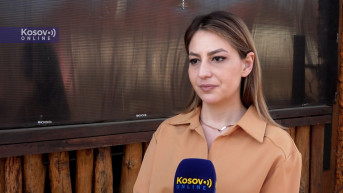
The Law on the Use of Languages in Kosovo is not respected even in the institutions that enact laws, nor in those that enforce them such as the courts, lawyer Jovana Filipovic assessed for Kosovo Online. She emphasizes that there are often delays and postponements of hearings because documents are not translated into Serbian or translation is delayed.
The Law on the Use of Languages in Kosovo sounds good in theory, claims Filipovic, but that is not the case in practice.
"It is not uncommon for parties to address in their native language, whether they are Serbs or members of other non-majority communities, and then decisions of state organs or courts are received only in Albanian. This, of course, affects the efficiency of the proceedings. Parties incur unnecessary costs because they re-submit requests to have the same decision translated. In this sense, many parties do not even know they have the right to request a translation of their decisions but resort to self-translation. Whether it's through Google Translate or someone who knows Albanian, they manage in any possible way, but that, of course, is not right and should not be so, but as it is according to the law - if a party has addressed in one language, the response from that institution should also be in the same language," Filipovic says.
She emphasizes that it often happens that case files are not translated into Serbian, and this poses a problem when it comes to serious criminal cases, leading to hearings being postponed.
"Also, in all other cases, there are delays because we do not have translations, whether it's transcripts or other case files without which we cannot proceed further. For example, in a very important case that has been ongoing for five years before the court in Pristina, we haven't received any transcripts in the last year, and since the beginning of the proceedings, we have only received four translations. We cannot present our closing statement in that case until we receive all case files, and of course, each subsequent hearing will be postponed precisely for this reason," Filipovic states.
The disregard for language rights, claims the lawyer, can lead to the annulment of the first-instance court decision.
"Parties who are dissatisfied and believe that the law is being violated to their detriment certainly have the right to appeal to the Ombudsman and the Language Commissioner in Pristina, and I believe that only the Language Commissioner, in this case, could react effectively, especially if penalties were imposed on all institutions that do not apply the law as prescribed. What I know is that no penalties have been imposed, and I believe that would lead to the law being respected. In any case, the decisions of the Language Commissioner should be much more critical and focused in that direction to resolve all issues," Filipovic said.
To achieve better implementation of the Law on the Use of Languages, she adds, it would be possible if there was a commitment to respect the legal provisions regarding the obligation to employ members of non-majority communities in certain positions.
"So far, we have had issues with the verification of diplomas, making it difficult to exercise this right. Now that this issue is being addressed, it only remains for the authorities to enforce the law and employ members of non-majority communities, which will reduce the workload for translators who are lacking in all institutions," Filipovic concluded.


0 comments