
Germany's priorities shifting from the Balkans to the East, visible disagreements between Scholz and Baerbock
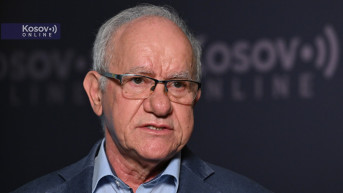
Former FRY ambassador to Germany, Zoran Jeremic, stated that Germany's priorities are shifting from the Balkans to the East, but that the issue of Kosovo will remain unchanged for this country and will continue to serve as a leverage factor for both Belgrade and Pristina.
"Germany's stance on Kosovo is constant. It is only postponed in some manifestations, such as this action for Kosovo's admission to the Council of Europe. It was assessed that this would be too unilateral an action by Germany without coordination with its allies, primarily France and the USA. This has been left for some future, calmer time as a leverage factor for both sides, Kosovo and Serbia, regarding admission and additional concessions from both sides," Jeremic said.
He adds that Germany is nevertheless faced with a much more serious problem, the war in Ukraine, which is causing its priorities to shift from the Balkans to the East.
“There is a more serious problem in Germany itself regarding the war in Ukraine. It is slowly evolving, and Chancellor Scholz says this, into a NATO and Ukraine war — which it already is, but now it is being transferred to European territory in the sense that allies are getting involved. This new formulation and Macron's visit to Scholz are shifting Germany's priorities from the Balkans to the East, where its vital interests are threatened. So, this issue is being relegated to the background,” Jeremic believes.
When asked if this is a consequence of the “two currents” in German foreign policy, Jeremic says it is an old rivalry between the chancellor and the foreign ministry, which is now clearly visible in the relationship between Chancellor Olaf Scholz and Foreign Minister Annalena Baerbock.
“The so-called two currents in Germany are an old rivalry between the foreign ministry, which is usually not in the hands of the leading coalition partner, whether it is the CDU or the SPD, and the chancellor’s office, primarily his foreign policy advisors, from Bitterlich to Schinger and now Plötner, who is a professional and serves as a good corrective to Chancellor Scholz, who is primarily a domestic politician. He understands foreign policy less well, and Plötner’s advice is very useful to him. And there arises the conflict between the wild, aggressive policy of the Greens, carried out by the foreign minister, and the more rational, moderate policy pursued by the chancellor, who is aware of circumstances that the minister is often unaware of or ignores,” Jeremic concludes.


0 comments