
Gjokutaj: Withholding funds from the Growth Plan sends a clear political message to Bosnia and Kosovo
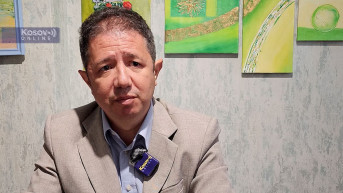
Economic analyst from Tirana, Eduard Gjokutaj, stated that the EU is using both political and economic criteria when approving funds under the Growth Plan for the Western Balkans, and that the withholding of pre-financing amounts from Bosnia and Herzegovina and Kosovo sends a clear political message.
"Bosnia and Kosovo are not yet benefiting from the EU Growth Plan funds mainly due to political issues and because they have not yet initiated certain reforms or adopted key documents necessary to launch such a large-scale project. In this way, the EU is signaling to them that they are currently in a stalemate, which primarily creates problems for their economic policies," Gjokutaj told Kosovo Online.
He explained that the EU’s Growth Plan for the Western Balkans is a project based not only on each country’s economic integration with the European market, but also on the regional market’s internal interconnectivity.
"The criteria the EU applies to this plan are both political and economic, in line with the strategic goals and priorities of the European Union. Under this approach, the EU requires each country to use its capacity to absorb and implement projects effectively. Everything is measured by results, much like in the EU integration process," Gjokutaj said.
He pointed out that Serbia is the leading economy in the Western Balkans, which also influences the EU’s approach.
"Serbia is the leading economy in the Western Balkans. The second tranche of funds that Serbia received aligns with this approach. The country has shown willingness to align its investment policies with EU policies and should have benefited from more funds, given the size of its economy. However, this did not happen due to internal political challenges and insufficient results in the fight against corruption and strengthening the rule of law," said the analyst.
He believes Albania received projects thanks to progress in reforms and investments.
"Albania has made satisfactory progress in this respect and is currently in a favorable political position in the Balkans — even on a leadership level. Our country is followed by North Macedonia, which is also correctly implementing everything related to the Growth Plan. Montenegro as well, although a small country, is facing greater challenges than the others," Gjokutaj emphasized.
Based on the readiness of Western Balkan countries to implement reforms and projects, future projections can be made, he added.
"Although Serbia faces internal issues, it has fulfilled most of its reform-related obligations appropriately, implementing them as needed. The same goes for Albania, which currently has the most favorable political climate among all the countries, and from which others may benefit — but this will depend on internal capacity to implement projects faster. Albania still needs to further increase its internal capacities," Gjokutaj noted.
Regarding Kosovo, he compared the current situation to the institutional crisis of 2014.
"Back then as well, there were delays in government formation and internal issues that, when prolonged, create deeper complications. Considering Kosovo's weak economy — based on imports and in urgent need of investment in infrastructure and reform-related projects — this situation is highly damaging. Not only because of the lack of funding, but also due to the fading of political support, which harms not just one party, but Kosovo itself on the international stage," Gjokutaj warned.


comments