
Muhaxhiri: No one can claim victory; voters are politically more emancipated than politicians
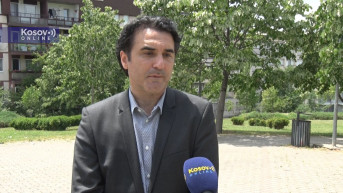
Political analyst from Pristina, Artan Muhaxhiri, assessed that the snap parliamentary elections held yesterday demonstrated that voters in Kosovo are politically more emancipated than the politicians themselves, that no party can be considered a winner, and that political leaders should be concerned about the message citizens have sent them.
Muhaxhiri emphasized that citizens delivered a powerful political message: politicians can no longer play games, pursue political agendas solely for their own benefit, and ignore the prolonged economic crisis.
“This is a tremendous lesson because it shows that voters in Kosovo are politically more emancipated than the politicians themselves. They are several steps ahead. The message and lesson they sent yesterday is remarkable, because there are no winners—everyone is a loser to some extent,” Muhaxhiri told Kosovo Online.
He also explained that no one can declare victory because voter turnout was 18 percent lower than before.
“Self-Determination is the biggest loser in terms of both actual votes and percentage share. However, other parties also lost a significant number of votes. The PDK lost many votes as well, while the LDK failed to recover from its major setback in December. The Alliance also received a similar number of votes. Percentage-wise, they achieved a certain degree of success, but that is statistical manipulation because it does not reflect actual voter support,” he said.
He clarified that this was a passive rather than an active success.
“They did not gain a higher percentage by winning more votes and greater trust; rather, they secured a larger percentage because the total number of voters was lower. That is why they achieved this result. But I believe all political leaders should be deeply concerned about the message the people of Kosovo have sent them,” Muhaxhiri stated.
Representatives of the Serb List said today that they were highly satisfied with their election result, noting that support among Serbian voters continues to grow. However, they also claimed that the party had once again been deprived of votes because Nenad Rasic’s party receives votes in Albanian-majority areas.
Commenting on those claims, Muhaxhiri said that the principles governing the allocation of votes among non-majority communities in Kosovo are clearly defined under the Ahtisaari Plan.
“The Serb List is known for extremely disciplined and coordinated voting. The number of votes it receives is very similar in every election, with no significant deviations, which indicates that the voting is organized and directed. We all know the reasons why this is the case. However, regarding Rasic’s case, I believe this is an issue for the Central Election Commission because, under the Ahtisaari framework, it is clear how the distribution of minority votes should function and how there should be a direct link between minority votes and minority political representatives. Therefore, if they have any evidence, they should pursue legal channels and legal mechanisms to address the matter. This does not apply only to Serbs, but to all minorities. There should be a direct connection between Serbs, Gorani, Turks, Bosniaks, and other minority communities and their representatives,” Muhaxhiri said.


0 comments