
Glisic: Japan understands Serbia’s position on Kosovo
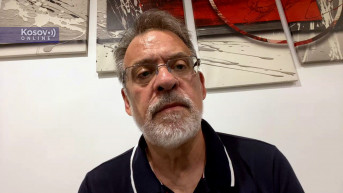
Former Serbian Ambassador to Japan Nenad Glisic said that Japan understands Belgrade’s position regarding Kosovo, and that bilateral cooperation over the past decade has been on an upward trajectory, also because official Tokyo sees Serbia as the most important country in the Western Balkans.
“Bilateral relations between Serbia and Japan have been steadily growing and improving for more than ten years, especially after the visit of former Japanese Prime Minister Shinzo Abe in 2018. There has been an increase in investments, stronger alignment in political dialogue, as well as cooperation on the multilateral level and in other areas. If this level of cooperation is maintained, relations will continue to move in a positive direction,” Glisic told Kosovo Online.
Serbian Foreign Minister Marko Djuric is on a two-day visit to Japan, and the former ambassador in Tokyo explained that the visit is also important because Kosovo President Vjosa Osmani visited Japan in mid-June.
“The visit comes at the right time because (Vjosa) Osmani was recently here, and now it is important to once again seek support for our positions on Kosovo,” Glisic said.
He recalled that this is the first such visit since 2009, while in the meantime, in 2018, Serbia was visited by then Prime Minister Shinzo Abe as well as two foreign ministers.
Commenting on Tokyo’s relations with Pristina, Glisic emphasized that Japan’s recognition of Kosovo was aligned with the foreign policy of its main allies.
“Japan follows and aligns its key foreign policy positions and decisions with its main allies within the G7, above all with the US, so that recognition followed ‘automatically.’ As the main partners acted toward Kosovo’s independence, so did Japan,” Glisic explained.
Nevertheless, he stressed that Japan has shown it would not undertake “unilateral actions or moves” regarding Kosovo.
This also includes Tokyo’s stance on Pristina’s membership in international institutions.
Glisic recalled that Japan demonstrated neutrality by abstaining twice on Kosovo’s bid to join Interpol and once on its bid for UNESCO membership.
“We have room to maneuver, and in the past ten years we have done a lot to counter Kosovo’s attempts to join international institutions. Japan’s fundamental position is that it wants to build relations with both Kosovo and Serbia. Since recognition already happened, Serbia was placed in a more difficult position, but we managed through action and cooperation with Japanese diplomacy to secure understanding for our stance. That is why Japan adopted a neutral position when it came to Kosovo’s membership in UNESCO and twice in Interpol. Japan struck a balance there,” Glisic said.
He stressed that Japan consistently highlights Serbia as the most important country in the Western Balkans.
“This is demonstrated through various initiatives, cooperation, economic investments, and in other fields. Since 2000, it has provided us with significant assistance, which sets Serbia apart. Not only from Kosovo, but also from many other Western Balkan countries with which Japan cooperates,” the former Serbian ambassador to Japan explained.


0 comments