
Gogic: The EU sanctions on Kosovo were not consistently implemented, which is why they did not yield results
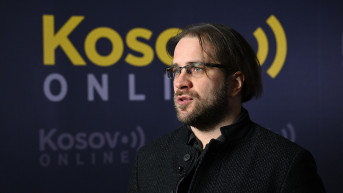
It has been nearly six months since the European Union imposed sanctions on Kosovo for refusing to de-escalate tensions in the north, however, these punitive measures have had little impact because they were not consistently applied, political analyst Ognjen Gogic says in an interview with Kosovo Online.
Gogic notes that the sanctions primarily included an embargo on high-level talks between officials from Pristina and representatives of the international community. They also entailed the suspension of Kosovo's participation in certain regional forums, bilateral and multilateral meetings.
"However, this did not happen. Representatives of the Kosovo authorities continued to hold high-level meetings with ambassadors in Pristina and participated in all events that were organized in the meantime and had a regional character. So, it seems to me that it was not actually implemented," Gogic emphasizes.
He adds that another measure involved suspending allocations from specific funds and access to financial resources designated for Kosovo.
"In general, all those funds intended for the region are used very slowly. There are numerous obstacles on both sides, both from the region and the EU, leading to a slow absorption of these funds. The question is how much the implementation of these contributions to Kosovo has realistically slowed down. So, these sanctions imposed on Kosovo remained as a nominal thing that was never actually applied, and therefore, they could not yield any results," Gogic says.
According to him, what undermines the issue of sanctions is the visa liberalization for Kosovo citizens set to take effect on January 1.
"At that point, Kosovo finally gains access to the 'white Schengen,' and it is entirely contradictory to talk about some punitive measures on the one hand while granting them such a significant concession on the other. If those punitive measures had, for example, included a delay in the implementation or suspension of visa liberalization, that would have been something that would 'hurt,' disrupt the plans of political elites in Pristina, and make them reconsider their actions," he believes.
However, since that did not happen, a message was practically conveyed between the lines that no one takes these punitive measures seriously, Gogic adds.
"These sanctions remained in EU documents as pure bureaucratic inertia and laziness rather than actual policy. So, the EU was, in fact, playing good cop, bad cop with Kosovo. On one hand, there were talks about punitive measures, and demands were set, but on the other hand, Kosovo was actually rewarded. If that reward had been withheld, it could realistically have influenced Pristina's actions. It remained in some gap, and these sanctions were not actually implemented, nor did they yield results, and the situation on the ground remained the same. None of the demands that the EU gave to Kosovo have been fulfilled," Gogic concludes.


0 comments