
Gogic: The goal of social protection measures is to mitigate the consequences of Pristina's unilateral decisions
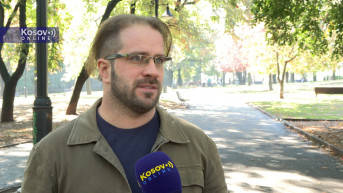
The granting of special social protection status to Kosovo primarily aims to alleviate the consequences for the Serbian population caused by unilateral measures imposed by Pristina, such as the ban on the import of Serbian goods and the prohibition of the dinar, political scientist Ognjen Gogic told Kosovo Online.
He reminds that all of Pristina's measures have led to increased living costs for citizens in their daily lives.
"To withdraw your money, you have to go to administrative crossings or other towns in central Serbia, which involves additional travel costs. The goal is probably to somewhat alleviate these expenses and compensate citizens in some way. This has also led to a decline in economic activity in Serbian areas, as people go to withdraw money in Raska or Kursumlija and also shop there, since they can buy products that are unavailable in Kosovo due to the ban. Therefore, it is likely necessary to inject additional funds to stimulate the Serbian economy in Serbian areas in Kosovo and Metohija," Gogic explained.
He adds that the announced relocation of temporary administrative offices to the crossings is a new expense that needs to be compensated for in some way.
"In addition, there has been talk of support for the unemployed, student allowances, and new jobs. These new jobs are in the healthcare sector – new medical staff – and there has also been discussion about caregivers and personal assistants. These are social protection services that are insufficiently provided in Serbian areas in Kosovo and Metohija. This is an important measure if it is recognized and planned because, on one hand, it stimulates new employment – caregivers and personal assistants – and on the other, it provides services to support people with disabilities, children with developmental challenges, and the elderly who need them," Gogic said.
According to him, it is important that the measures do not create dependency on social assistance but rather stimulate employment among Serbs in Kosovo.
He reminds that one of the announced measures is assistance to Serbs in the form of construction materials.
"The issue is that Pristina has halted certain infrastructure projects that Serbia was funding in northern Kosovo, which were aimed at housing certain individuals. Since Serbia will likely have fewer opportunities to invest directly, especially in building new houses and apartments, a new strategy will probably be developed to provide individual citizens with support, either in the form of materials or allowing them to purchase them and invest in building their own homes and apartments," he explained.
Regarding property transactions, Gogic highlighted the condition that President Vucic mentioned, which is that those receiving various forms of aid must reside and live in Kosovo.
"This is a response to complaints heard both in central Serbia and among Serbs in Kosovo, that some recipients of this aid do not actually live in Kosovo and Metohija but only come to withdraw money. In fact, they no longer even need to do that since they withdraw money in Raska or Kursumlija and then invest it in property in central Serbia. These measures will likely be introduced to prevent abuse. This has indeed happened in the past, where money intended for those supposedly in need ended up with people who don’t live in Kosovo but instead use it to secure housing elsewhere in central Serbia. So, there will probably be increased measures and controls to put an end to such practices," Gogic concluded.

0 comments