
Gogic: It seems no one is in a hurry to form a new government
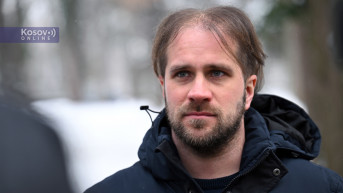
Political scientist Ognjen Gogic tells Kosovo Online that not all deadlines related to the formation of the Assembly and government in Kosovo are fully defined. However, the entire process can be delayed because there are no set deadlines for certifying election results, as the Central Election Commission (CEC) is not bound by any timeframe.
As he explains, the CEC cannot be required to announce the final election results within a specific period because the process depends on numerous procedures, including appeals. Given that complaints can be filed with the Election Complaints and Appeals Panel and the Supreme Court, the duration of the entire process is unpredictable.
"Once the results are certified, according to the Constitution, the President of Kosovo is obliged to convene the first session of parliament within 30 days. However, there is no clear deadline for when this session should conclude, as the election of the Speaker of Parliament can take time. According to the Constitution, the ruling party nominates the Speaker, but a situation could arise where it lacks opposition support for the election, leading to a deadlock," Gogic explains.
Once the parliament is constituted, he adds, the President of Kosovo grants the election-winning party a mandate to try to form a government. However, there is no deadline for when the President must do this.
"According to Kosovo’s Constitution, the mandate is not given to the party that confirms it has a parliamentary majority but to the party that won the elections, and it has 15 days to propose a government. If it fails, the mandate is given to the runner-up party. If that party also fails, new elections must be held no later than 40 days after it is confirmed that the government was not formed," he states.
Gogic also notes that the political atmosphere in Kosovo suggests that no one is in a hurry to form a new government for several reasons. The first is the lack of a clear parliamentary majority. Another factor, he says, is the global political landscape, including the new administrations in Washington and Brussels, which makes political actors hesitant to rush into decisions – they prefer to wait and see how things develop.
"It seems there is a tacit agreement to delay the process as much as possible and eventually head to new elections rather than hastily forming a government. The most likely scenario is that this process will drag on, and any majority that is eventually formed will be unstable. Kosovo is entering a period of parliamentary crisis in which maintaining a stable majority will be impossible in the near future," Gogic concludes.

0 comments