
Gudzic: The goal of the resolution is to prevent questioning of the narrative about the war in Kosovo
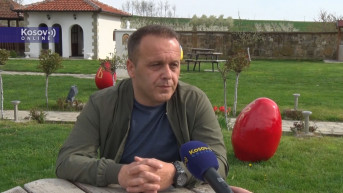
Historian Aleksandar Gudzic told Kosovo Online that the goal of the resolution “on truth and the dignity of war victims,” adopted by the Assembly of Kosovo, is to prevent the dominant narrative about the war in Kosovo from being questioned, adding that Albin Kurti sees himself as the “father of the third Kosovo republic,” which is exclusively national and built on Albanian victims.
“First, I would refer to the number of MPs who voted in favor of adopting the resolution - 90 MPs. If we are talking about Albanian parties and MPs who represent those parties in the Kosovo parliament, it can freely be said that this is one hundred percent support. In my opinion, Kosovo is abandoning the concept of a civic state and entering a period of a national state,” Gudzic said.
According to him, political elites are no longer hiding this, and Prime Minister Albin Kurti is trying to promote himself as one of the leading figures and the “father of the third republic.”
“The first republic was in Kacanik in the 1990s, when Albanian representatives at the assembly in Kacanik proclaimed Kosovo a republic. The second republic was in 2008, when Kosovo declared independence, and Albin Kurti wants to be the father of the third Kosovo republic - to build Kosovo’s statehood on a narrative of exclusive Albanian victimhood, on the heroic struggle of the KLA, and to free Kosovo from the influence of the international community,” he assessed.
Gudzic said that Kurti sees Serbs as an obstacle to that goal, because the international community, under its mandate, takes care of the rights of the Serbian community in Kosovo.
Speaking about the resolution, Gudzic assessed that it will cause additional distrust among Serbs toward Kosovo institutions, adding that freedom of speech is also endangered.
“It will certainly limit the possibility of questioning the responsibility of the KLA in the wars of the 1990s for potential war crimes. It will also undermine the possibility of expressing different opinions about the wars, and the purpose and essence of these laws are, in my opinion, to ensure that the topics of the 1990s and the narrative that is dominant in Kosovo’s academic, political, and broader public sphere are not questioned or challenged,” Gudzic said.
He states that the international community should react, but notes that he does not expect it to produce results when it comes to changing the positions of Kosovo’s political elite.
“The wars of the 1990s, the wars over the Yugoslav legacy, both in Kosovo and in Croatia and Bosnia and Herzegovina, were also civil wars. These are the dirtiest wars that can affect ethnic groups that lived in these areas and still live there. There were conflicts on both sides. Should the international community react - yes. Will that reaction lead to any results - I am skeptical and do not believe it will significantly lead to a revision of the positions of the political elites in Kosovo,” Gudzic concluded.


0 comments