
Gudzic: Serbs appreciate the merits of Italian soldiers in protecting lives and holy sites

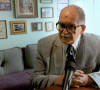
Analyst from Gracanica, Aleksandar Gudzic, believes that the change at the helm of KFOR and the arrival of Italian General Enrico Barduani will not bring significant improvements for Serbs, but he acknowledges and values the efforts of the Italian contingent in protecting Serbian churches and monasteries, particularly during the events of March 17, 2004.
"I don't believe this will bring any changes in the relationship between KFOR and Serbs or that it will significantly improve things for the Serbs. KFOR is an institution that has followed a consistent policy for 25 years, and I doubt that will change. The only difference is that the KFOR commander is now Italian. In the past, we had positive experiences with Italian KFOR soldiers and officers. If it weren't for the Italian KFOR, the Decani Monastery likely would have suffered the same fate as the Church of the Holy Virgin of Ljevis, the Archangels, and other Serbian churches and properties during the March 17th pogrom. Just hearing about an Italian general heading KFOR brings back positive memories and experiences with Italian KFOR soldiers for the Serbs," Gudzic told Kosovo Online.
He describes the one-year term of Turkish General Ozkan Ulutas in one word – continuity.
"It is a result of continuity. There have been no significant changes. It is a policy that continues from previous years. In other words, a functionary who spent time in Kosovo as KFOR commander."
When asked how the people of Kosovo view KFOR's engagement and whether they feel safer because of it, he says that feelings within the Serbian community are mixed.
"You could say they feel safer, but there are also mixed emotions. There is a sense of disappointment and high expectations from KFOR. I’m speaking from the perspective of the time since the war. Serbs initially had certain expectations of KFOR – that they would protect Serbs, bring peace, prosperity, and well-being. Not just KFOR, but the entire international community. Over the years, however, that hope has diminished. It is a sense of betrayed expectations," Gudzic believes.


0 comments