
Gulic: I am afraid of the Srebrenica Resolution effects; it is the seed of imposing the delict of opinion
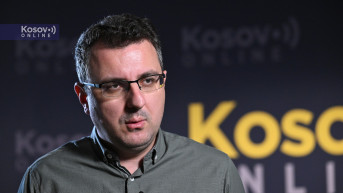
Milan Gulic, a research associate at the Institute for Contemporary History in Belgrade, says that the potential adoption of the Srebrenica Resolution by the UN General Assembly will not have legally binding effects, but it represents the "seed" of imposing the delict of opinion, which will not contribute to the reconciliation of the peoples of the Western Balkans.
"Whenever I see a resolution that restricts freedom of opinion and speech, I have certain reservations about it, regardless of whether it concerns the crime in Srebrenica or the genocide by the ISC or anything similar. The UN General Assembly adopted a similar type of resolution regarding the war in Rwanda. I am sure that most of the world has no opinion on it nor knows about it. In this sense, in most parts of the world, this resolution would have no significance. I wonder if in some part of the world someone would ponder why July 11 was proclaimed. However, in our region, it has a certain, significant importance and certainly does not contribute to reconciliation," Gulic stated to Kosovo Online.
He adds that, despite the fact that it does not produce legal effects, the adoption of the Srebrenica Resolution could influence the legislation in certain countries to classify any difference in opinion about the events in Srebrenica in July 1995 as criminal liability.
"And that is the seed, when such resolutions are in question, that I do not like at all. The question of the nature of the crime in Srebrenica, the question of the number of victims in Srebrenica is something that has been and will continue to be the subject of judicial and historiographical interpretations in the past, present, and future, and as such, it is subject to differences in opinion. If you adopt a resolution that later reflects in legislation, we then have a very dangerous possibility that the difference in opinion could be classified as criminal liability, and that is never good," Gulic concluded.



0 comments