
Hoti: Kurti's position on the Ground Safety Zone is based on the Kumanovo Agreement
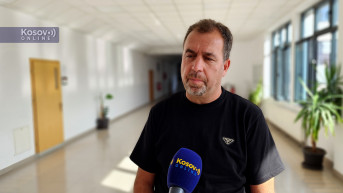
Political analyst from Pristina, Afrim Hoti, believes that Kosovo Prime Minister Albin Kurti's stance, that the situation in the Ground Safety Zone (GSZ) should return to its pre-2001 state, when there were no Serbian military forces in the five-kilometer-wide zone, is based on a real foundation because, as he says, this is stipulated by the Kumanovo Agreement, which is still in effect.
"The Kumanovo Agreement is a legal act that remains in force, signed by the former Yugoslav military forces and NATO, the actor responsible for maintaining security in Kosovo. Since then, there have been no other agreements, so we can conclude that this act is still valid. NATO is still here, and I believe this is a realistic option and binding for both sides," Hoti told Kosovo Online.
He adds that whether Kurti is using this demand for political campaigning and the upcoming elections is a separate matter.
"While I believe it is part of the election campaign, it is simultaneously a real obligation for both sides," Hoti notes.
When asked which international actors might support Kurti’s position, Hoti says it could be NATO, as it signed the agreement with the Serbian military leadership.
"NATO is responsible for creating security in Kosovo's territory, and this remains its duty until an agreement is reached between the sides," he emphasized.
At the same time, Hoti believes that the return of Serbian forces to Kosovo, as outlined in UN Security Council Resolution 1244, is not feasible.
Recently, Serbian President Aleksandar Vucic announced that Belgrade would repeat its request to KFOR for the return of up to a thousand military and police personnel to Kosovo.
"That is definitely not possible to implement, as it is based on Resolution 1244, which, while still in force, is not applicable in Kosovo. We can talk about it as a legal act, but it does not reflect the changed circumstances. If we consider that three out of the five permanent members of the UN Security Council recognize the Republic of Kosovo, meaning they recognize the changed circumstances in Kosovo, I see no possibility of fulfilling such a request from Mr. Vucic," Hoti concludes.
0 comments