
Hoxhaj: Albin Kurti's Government has shown that it has no ambitions in foreign politics and that new recognitions are not a priority
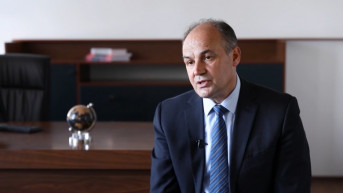
Former Minister of Foreign Affairs Enver Hoxhaj said that it was not a priority of the Kosovo Government led by Albin Kurti to secure new recognitions, and neither was it to preserve the recognitions that were ensured earlier, Ekonomia Online reports.
In an interview with Ekonomia Online, Hoxhaj said that Kosovo's institutions failed even to Serbia's campaign to withdraw Kosovo's independence recognitions.
"Since the day it was voted in, Kurti's government has shown that it has no plan, will, and ambition to engage in any foreign political affairs and that recognition is not a priority. I am sure that even in the changed international context, it would not be possible to secure 10 to 15 recognitions per year, which I secured when I was Minister of Foreign Affairs thanks to the work of my colleagues in the government, but I am sure that the country could receive five to seven recognitions annually. For something like that to happen, the Ministry of Foreign Affairs should make a strategy as I did in 2011, which would have to include countries that are close to recognizing Kosovo, countries that have a neutral position to Kosovo's independence, countries that are opponents, and just in case, a complete analysis should be made of what opinion they had in January of this year and what they had in the past," Hoxhaj said.
As for Serbia's actions, Hoxhaj recommends "a visit to countries that are at risk of withdrawing Kosovo recognitions."
"We should create a document which should include the actions that Serbia has taken in the last few years, which countries the Serbs have visited, which people they have spoken with, and so on, and then come out with a full analysis of all the countries that have recognized Kosovo, and see what the last visits were," Hoxhaj says.
Hoxhaj adds that despite everything, President Osmani, Prime Minister Kurti, and Minister Gervalla remain in Pristina, they occasionally go to international conferences and talk about European geopolitics and what is happening in Ukraine and Russian aggression, more than taking concrete measures for the protection of Kosovo's vital interests.
Regarding the rejection of the American gas pipeline project, Hoxhaj says that "Kosovo thereby lost important benefits that would strengthen its international subjectivity, as well as that it lost the possibility of recognition by Greece."
"I have been dealing with foreign politics for a long time ever since I was first time a part of the Kosovo delegation that negotiated the independence of Kosovo within the Ahtisaari process. I also know what Greece was thinking, and I am still communicating with the Greek Prime Minister. It is good that Greece is trying to connect its political and economic interests with Kosovo, but I do not think that the Government of Kosovo managed to create momentum to get recognition from Greece. Did the American gas pipeline project manage to direct Greece to be more open to recognizing Kosovo – undoubtedly," Hoxhaj stated.
0 comments