
Joksimovic: Clear perception at the UNSC meeting that Pristina is not contributing to the dialogue with unilateral moves
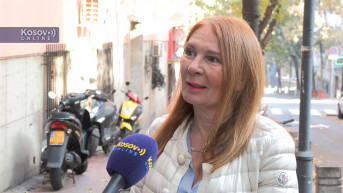
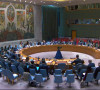
The Director of the Center for Foreign Policy, Aleksandra Joksimovic, tells Kosovo Online that the international community perceives clearly that Pristina has taken unilateral actions that do not contribute to dialogue and that Pristina is not currently a constructive participant in the process, and that this was also apparent during yesterday's UN Security Council session, where UN Secretary-General Antonio Guterres' report on UNMIK’s work and the situation in Kosovo over the past six months was reviewed.
"The issue is that constructive dialogue is a prerequisite for addressing other topics, and multiple parties need to participate in such dialogue. In this context, I believe no one benefits from the standstill, but I am quite certain that nothing will change in Pristina until the elections in February," Joksimovic stated.
She notes that Secretary-General Guterres’ report realistically depicted the situation regarding Pristina's unilateral actions toward Serbs, describing the situation as highly tense, with the potential for escalation into possible conflict.
"The report highlighted this element of living in fear, if I may put it that way. Minister Marko Djuric also spoke of the extremely unstable and uncertain lives that Serbs face, along with the threat of their departure, which resembles a form of expulsion. Pristina emphasized the topic of Russian influence, which was also expected, so most participants held the stances that had been anticipated," Joksimovic explained.
As something not new but more prominently mentioned yesterday, Joksimovic pointed to the question of UNMIK's role and its future.
"But it seems to me that, at the moment, there will not be strong pressures to make changes in that regard. Over time, there has been a push for fewer Security Council sessions on this topic. Initially, there were four sessions a year, but now that number has been reduced to two. The reality is that there are other geopolitical hotspots that command the international community's focus on resolving active conflicts. Consequently, the region is seen as relatively stable and less in need of such frequent sessions, which might even be encouraging. However, on the other hand, I believe it is still very important to publicly and openly point out the issues that Serbs are facing, as only in this way can they gain a degree of security, and shed light on the fact that they are currently at risk," Joksimovic concluded.

0 comments