
Krstic: Kurti's marginalization of Serbs a potential trigger for conflict in Kosovo
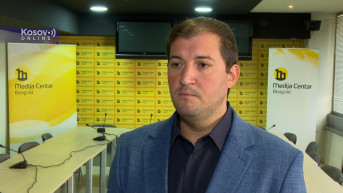
Milan Krstic, an assistant professor at the Faculty of Political Sciences, stated that as long as there is unilateral radicalization by the government in Pristina, the potential for conflict in Kosovo remains high, though not for a broader conflict.
"As long as there is unilateral radicalization from the government in Pristina, the potential for conflict in Kosovo is significant. Only when the situation stabilizes, through the reaffirmation of negotiations and the cessation of human rights violations against Serbs in Kosovo and Metohija, can we talk about de-escalating the situation. However, on the other hand, I don't believe this has the potential to lead to a wider conflict," Krstic told Kosovo Online.
Krstic emphasized that the core of this radicalization lies in Prime Minister Albin Kurti's long-term goal to reduce the number of Serbs in Kosovo to between two and three percent, effectively turning them, as he says, into a "statistical error."
"Albin Kurti has an agenda with a clear long-term goal, which is evidently to create a Kosovo where the number of Serbs, according to Tudjman's calculation, would be less than two or three percent, rendering them statistically insignificant. I believe that this long-term policy of his will not be halted without external pressure," Krstic argued.
He stressed that Serbia must not allow Kurti to "legitimize his claims" and that it must invest all of its resources in engaging with international actors to stop the systematic violation of Serb rights in Kosovo.
"Serbia must act wisely and avoid making mistakes that would give Kurti the opportunity to legitimize his claims. At the end of last September, we made a major mistake that cost lives and, on the other hand, benefited Albin Kurti. Now we need to be patient and smart, but at the same time, we must appeal and make every effort to invest all resources to persuade international actors to stop what is currently happening in Kosovo and Metohija, which is the gross and systematic violation of Serbs' human rights," Krstic emphasized.


0 comments