
Maliqi: In Brussels many things are “resolved on paper,” but we are at a “deadlock”
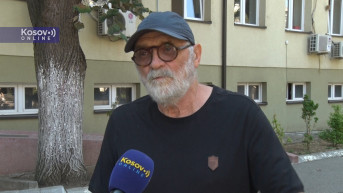
Political analyst Shkelzen Maliqi assessed that many issues from the 2015 Brussels agreement between Belgrade and Pristina are “resolved on paper,” but that the formation of the Community of Serb Municipalities, along with some other issues, remains at a “deadlock.”
Commenting on the agreement, which addressed freedom of movement on the main bridge over the Ibar River, energy and telecommunications issues, and most importantly, the formation of the CSM, Maliqi believes that this issue has been linked from the beginning to a “final solution for the Kosovo question.”
“It has always been, in a way, conditional on reaching a complete agreement. Over the past ten years, both sides, whenever they could, obstructed part or all of the agreement. And the CSM remained pending, needing to ‘pass’ through the filter of the Constitutional Court. It essentially passed once, but there were some objections, and since then everything has stalled,” Maliqi told Kosovo Online.
He considers one of the reasons the agreement has not fully come to life is that many events have occurred in the meantime “outside the Serbia–Kosovo relationship.”
“In a way, ‘on paper’ many things were resolved later as well. That is the basis for all subsequent agreements, including the Ohrid Agreement and the German-French agreement. It is all there, on paper,” the analyst noted.
He says that, according to the 2015 agreement, the main bridge over the Ibar River “remains where it is.”
“Pedestrians can cross, but cars cannot. And now there are ‘games’ over whether Kurti will build some pontoon bridges ahead of the elections to show that his policy was correct. However, he cannot do that because NATO and KFOR are protecting it. And now we are here, at a ‘deadlock,’” Maliqi said.
He notes that the formation of the CSM will only happen once a normalization agreement is reached and Serbs return to Kosovo’s institutions.
“This issue is always alive, but both sides need to agree to the conditions, which are more or less already agreed upon. I haven’t had the chance to see that latest agreement. For it to come into effect, it implies that Serbs return to Kosovo institutions, recognize Kosovo’s sovereignty, and then enjoy all the rights that are guaranteed,” he said.
When asked how to interpret the statement by the German ambassador in Pristina, Jorn Rohde, that Kosovo cannot become a member of the Council of Europe because it has not completed the procedure and sent the CSM Statute to the Constitutional Court, Maliqi agreed.
“They haven’t even sent the draft, which is the first step. It was done once, and the Constitutional Court did not forbid it; it only said that 23 points need to be clearly formulated to prevent them from being twisted or interpreted differently. However, as we now see with how the Kosovo Constitution is being ‘twisted,’ everyone has their own claims and wishes, and no one reads what the Constitution actually says. That needs to be resolved. More than a year ago, our government had the opportunity to send the draft CSM to the Constitutional Court and didn’t, even though that was a condition for admission to the Council of Europe. And it is still the same,” Maliqi concluded.



0 comments