
Maliqi: Rohde toughened stance toward Kurti, Rudolph will continue supporting the Franco-German plan
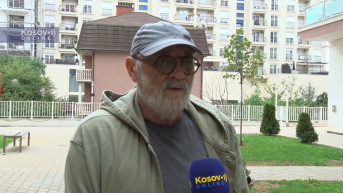
Political analyst Shkelzen Maliqi said that the term of former German ambassador to Pristina, Jorn Rohde, was marked by a tougher stance toward Albin Kurti, while his successor, Rainer Rudolph, will continue to support the Franco-German plan for Kosovo.
“I didn’t follow everything in detail, but I know he was perhaps the most active among ambassadors, similar to the US ambassadors here who have always been outspoken. However, Rohde, in a way, toughened his course toward Kurti, especially last year when Germany’s attempt to have Kosovo admitted to the Council of Europe failed,” Maliqi told Kosovo Online.
He emphasized that the shift in attitude occurred after Albin Kurti had promised then–German Chancellor Olaf Scholz that Kosovo would fulfill one of the conditions – sending the Statute of the CSM to the Constitutional Court.
“They didn’t send it, and then that attempt collapsed. The German chancellor personally intervened and persuaded all EU member states that don’t recognize Kosovo to accept this procedure and support Kosovo’s admission to the Council of Europe. That was a missed opportunity, an important step for Kosovo’s eventual membership in the EU and NATO,” Maliqi explained.
The analyst added that Kurti instead “had his own plans.”
“Kurti had some of his own plans, which mainly aimed to destabilize the existing order and Constitution, and to open new issues. That is very risky for the stability not only of Kosovo but of the entire region,” Maliqi said.
He expressed confidence that the new German ambassador to Pristina, Rainer Rudolph, will be “very well received” and fully briefed on the situation.
“He will likely continue supporting the plan that Germany developed together with France. I think the dialogue will be renewed in full capacity, but the negotiators need to change. In a way, Kurti has already said that dialogue isn’t his priority, and he has shown that more through obstruction than through constructive solutions. The situation in Serbia could also change quickly, so we might see better cooperation,” Maliqi said.
He stressed that the EU already insists on the implementation of the agreed commitments.
“The EU insists that the agreement verbally accepted by both Vucic and Kurti is binding for both countries and serves as an entry ticket for EU membership,” Maliqi concluded.


0 comments