
Markovic: Kosovo identity distinct from Albanian hasn’t taken root enough

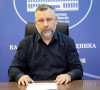
Kosovo, like other entities or states in the Balkans, struggles with identity, historian Vukan Markovic says. That is why the symbolism of Albin Kurti sitting with the Albanian flag in the seat of the Kosovo Assembly, as he puts it, isn’t all that surprising.
Albin Kurti and his Self-Determination Movement, since its inception, Markovic tells Kosovo Online, have emphasized a pan-Albanian ideological identity based on the unification of all Albanians, liberation from oppressors, and the historical redefinition of the Albanian nation in the Balkans.
Insistence on the Albanian flag in this specific case, he believes, is tied to the formation of a Kosovo identity, which is far from fully developed or finalized. Kosovo’s symbols, he says, were modeled after those of Cyprus or Bosnia and Herzegovina, aiming to minimize emphasis on traditional, ethnic, religious, or historical identity.
“The flag of Kosovo depicts the geographic contours of Kosovo and Metohija, with added stars to represent national minorities. This is somewhat hypocritical, especially since the Serbian minority in Kosovo is actively persecuted by Kurti’s regime. The multiethnic character of Kosovo, as envisioned after the self-declaration of independence in 2008, is essentially cosmetic. The idea that it is a multicultural state, a state of all its citizens, simply doesn’t hold up in practice. No observer would claim that interethnic relations in Kosovo are good, nor that Kosovo takes proper care of its minorities. On the contrary, we have seen what happened just a few days ago in Leposavic,” Markovic says.
A significant portion of the population, not just Albanians, but people across former Yugoslav republics, still believes that existing borders aren’t final and that a natural resolution of all interethnic issues will eventually occur. Nationalists in Pristina, including Kurti, view this through the lens of unification with Albania.
“So, Kosovo’s independence is seen as a means to a greater end. Another issue is that the Kosovo identity, separate from Albanian identity, hasn’t truly taken root, whether that’s in terms of belief in or allegiance to Kosovo as a state, or awareness that Kosovo Albanians represent a distinct type of Albanians compared to those from Albania. This is a common occurrence in the Balkans. Kosovo was formed more than ten years after Bosnia and Herzegovina, and those who are building it don’t seem to learn from their own mistakes,” Markovic states.
He notes that he doesn’t necessarily want to draw direct parallels between Kosovo and Bosnia and Herzegovina, given that Kosovo is not a state in the international legal sense, unlike Bosnia. He adds that even the Bosnian-Herzegovinian identity has failed to take hold over the 30 years since the Dayton Agreement, as Croats in Bosnia feel more allegiance to Croatia than to Bosnia and Herzegovina, just as Serbs in the Republic of Srpska feel more connected to Serbia than to Bosnia and Herzegovina.
“Given that Kosovo, as an unfinished and inadequate state project, continues to struggle not just with legitimacy but with the basic functionality of its own institutions, the idea that unification with Albania represents some brighter future remains attractive to many. So Kurti’s playing with the Albanian flag shouldn’t be surprising. On the contrary, it is essentially logical for semi-sustainable national narratives that, at their core, prioritize national identity over statehood,” he adds.
The idea that civic identity should be the foundation around which all citizens of a country or entity unite hasn’t taken hold, he says, not anywhere in the Balkans, nor in Eastern Europe after the fall of the Berlin Wall, and certainly not in Kosovo.
“People choose ethnic, national, and religious identity over the civic identity of the state they belong to. What makes the situation farcical is that Kosovo still officially insists on being a multicultural state that transcends ethnicity. In reality, not only is this untrue, it is quite the opposite. The persecution of national minorities in Kosovo is systematic and arguably the worst in the Balkans, if not beyond,” Markovic concludes.


0 comments