
Gudzic: The Albanian flag in the Assembly is a continuation of what we've already seen
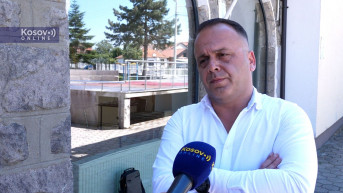
The display of the Albanian flag in the Kosovo Assembly at the seat of Albin Kurti is, according to historian Aleksandar Gudzic from Gracanica, a continuation of previously seen choreography. He says that since the 2000s, in the absence of industry and economic development, the political elites of Kosovo Albanians have insisted on extreme nationalism, and since the 1990s, especially since 1999, have portrayed themselves as the "Piedmont of Greater Albania."
He points out that Albin Kurti has, in previous years, also presented himself as the leader of all Albanians in the Balkans.
"Let us recall his visit to Skopje a few years ago and the choreography related to 'Greater Albania.' Kosovo emerged from the wars over Yugoslav succession with a form of statehood recognized by part of the international community, and within the Albanian world, it holds political credibility and presents itself as the 'Piedmont' of a future 'Greater Albania.' This is no secret. We know that in the 2000s, former KLA members participated in the war in Macedonia, in conflict with Macedonian security forces, and that many former KLA members were also involved in the war in Serbia during those years," Gudzic stated.
If, for example, members of the Turkish or Serbian minority in the Assembly were to place the flags of Turkey or Serbia in front of themselves, Gudzic believes that representatives of the ruling majority, in the case of the Turkish community, might not view it as politically harmful. However, if the Serb List were to display the flag of the Republic of Serbia, he says, it would likely have certain consequences.
"Institutions would probably rise against such an act, and government representatives would already have found some explanation for why it is harmful, just like in the case of the young student who raised three fingers. At the time, the Minister of Internal Affairs responded by stating that it was a symbol of genocide against Albanians. They would probably come up with a similar explanation for the flag," Gudzic says.


0 comments