
Mazreku: There are political pressures on countries that haven’t recognized Kosovo, Ankara plays a significant role in that
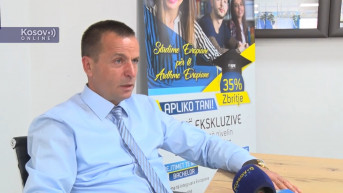
Professor of European Law from Pristina, Avni Mazreku, stated that there is political pressure on countries that have not recognized Kosovo to do so, and that Ankara plays a significant role in that process. He emphasized that it is in the interest of the EU for all of its member states to recognize Kosovo, because without that, there can be no enlargement of the Union to the Western Balkans.
“It is clear that there is political pressure and advocacy for Kosovo to be recognized by everyone, and this is evident through official NATO declarations, as well as the positions taken by political representatives of those countries. All of this shows that the recognition of Kosovo is something expected from other member states, whether of NATO or the EU. The role of the countries that have already recognized it is to directly influence further recognition, and Turkey plays a significant role in that process,” Mazreku told Kosovo Online.
He stated that the main obstacle to European integration of the Western Balkans is the fact that five EU member states have not recognized Kosovo.
“It is in the interest of the European Union itself for all of its member states to recognize Kosovo’s independence, because the EU cannot expand into the Western Balkans without resolving the status of Kosovo. Therefore, recognition of Kosovo’s independence is crucial,” Mazreku emphasized.
Speaking about which countries lobby for Kosovo publicly and which do so behind the scenes, Mazreku said that all the countries that have recognized it are involved.
“Those five EU member states that have not yet recognized Kosovo are the key obstacle in the recognition process. On the other hand, many other NATO member states, including the United States and Canada, have already recognized Kosovo and are lobbying strongly for its recognition and full international integration. This can be seen in their actions within the institutions of the European Union, NATO, the OSCE, and other international organizations focused on security and cooperation,” Mazreku explained.


0 comments