
Medicines and medical supplies are running out in Serbian areas, the situation is alarming
The US Ambassador to Kosovo, Jeffrey Hovenier, stated two days ago that he had information that medicines were being delivered to Kosovo as they had been before June 14th, when the Kosovo Government had imposed a ban; however, directors of healthcare institutions in Serbian areas denied this.
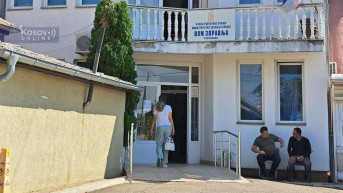
According to Dr. Zoran Peric, the director of the "Gnjilane" Health Center based in Pasjane, they have stocks of medicines for around 15 more days, and the situation is alarming. Supplies of medicines and medical materials are depleting, as confirmed by Dr. Mirjana Dimitrijevic, the director of the Healthcare Center in Gracanica. This is also happening in institutions in Serbian communities in central Kosovo, as they haven't received supplies since June 14th. According to Dimitrijevic, if nothing changes, there will be a shortage.
"As for the medicines and medical materials we use for work, ever since the Kosovo institutions introduced a ban on the entry of complete goods of Serbian origin into Kosovo and Metohija, we have faced difficulties in functioning because, in the last two months, we haven't received deliveries of medicines, medical supplies, and other consumable materials from our regular suppliers. Our reserves are running low, and if this situation persists, the Healthcare Center will face a shortage," Dimitrijevic stated for Kosovo Online.
"Supplies are running low," Dimitrijevic points out, and if this situation continues, the Health Center will face shortages.
"As for the supplies, we currently have them, but they are quickly depleting, or rather, being used up, so we will face shortages in a very short period of time. This includes medicines, medical supplies, laboratory materials, and everything necessary for the normal functioning of a healthcare institution," Dimitrijevic says.
Dimitrijevic stressed that if this continued, it would undoubtedly affect the quality of healthcare.
"As a result, our users, our population, will be deprived of quality healthcare. We won't have reagents for diagnostic methods, we won't have medical consumables, and we won't have the necessary medicines to give to our patients, so the situation is very unfavorable," she said.
Dimitrijevic appealed to the international community to influence the Kosovo Government and enable an unimpeded flow of goods.
"I would appeal to the international community to provide us with supplies of medicines and consumable materials for healthcare institutions, that they be regular, separate from the rest, and function as soon as possible," Dimitrijevic emphasized.
Reserves in Kosovo Pomoravlje for about 15 more days
Dr. Zoran Peric, the director of the Gnjilane Health Center based in Pasjane, said for Kosovo Online that the institution still had stocks from before and that he did not know how they would function once those were depleted.
"We are all witnesses to the fact that the Kosovo Government introduced a ban on the transport of medicines, medical supplies, and goods from central Serbia. All our suppliers, from medicine suppliers to medical consumables and everything used in our center, are in central Serbia. Our dependence, or rather, the treatment of our population, depends on the normal flow of medicines. There hasn't been any for months, so honestly, we are worried, and our people are concerned about how we will continue," Peric said.
Peric emphasizes that if the ban continues, the healthcare system in Kosovo will face a total blockade.
"We have nothing to use for treatment. There's good will, people come for check-ups, we can examine the patients, but we can't give them anything. We can't even in the most urgent situations, when lives are at risk, in cases of acute severe illnesses, heart attacks, asthmatic attacks, or in chronic patients, high blood pressure, what can we give to the patient if we don't have medicines for urgently lowering the pressure? These are all intravenous drugs that are administered very quickly and urgently. Even with oxygen, there was a problem there too. These are matters of vital importance. Simply put, there's no life, everything stops, healthcare, health protection, and chronic patients are left without medicines and necessary therapies. The situation is extremely difficult and alarming," Peric said.

0 comments