
Milenkovic: The letter from Albanian NGOs proves that there is a lack of understanding for the Serbs in Kosovo
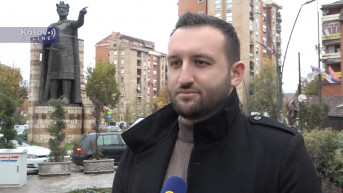
The letter from non-governmental organizations that called on the European Commission to withdraw the proposal to include passports of the Coordination Office of the Serbian Ministry of Internal Affairs in the visa liberalization reflects a lack of understanding for Kosovo Serbs and the need for a broader dialogue, Marko Milenkovic from the NGO 'New Social Initiative' assessed for Kosovo Online.
Milenkovic emphasized that they had been surprised by this letter, which had come primarily from NGOs in Pristina.
“This reflects a lack of understanding of the position of Kosovo Serbs, especially the Serbs living in northern Kosovo, but also in general. These positions of misunderstanding required a reaction from our side, so this letter, our statement, arrived in that sense, where we tried to explain that the position in Kosovo is specific and that this situation with documents, passports, and visa liberalization is specific and should be treated as such. I really think that the letter did not take into account the views of the Serbs living here and the problems that the Serbs face every day, as well as the problems related to obtaining Kosovo documents and the integration of the Serbs, as integration is not fully completed. Many Serbs still have problems obtaining Kosovo documents, ID cards, and passports. This issue is not just an integration issue, but it is broader and should be seen from that perspective, and it should be looked at from that angle", he said.
Milenkovic emphasized that the tone of the letter addressed to the European Commission was in line with the political representatives in Pristina.
“We saw that at the same moment, the letter-statement issued by NGOs coincided with the position of the Kosovo Government, and this proves that there is a lack of understanding and a lack of dialogue with the Serbs, not only when it comes to the Government in Pristina but also for certain NGOs, or the broader circle of NGOs, which do not have a dialogue and information from the community. They don't know the specific problems of the Serbs living here“, he said.
Speaking about the cooperation they have with colleagues in Pristina, Milenkovic says there is a difference in attitudes.
“This somewhat shows us the need for dialogue, broader dialogue, not just dialogue between Belgrade and Pristina, but dialogue with local Serbs, and also with other aspects, civil society, and the international community. That's why we need to have some ongoing dialogue process that we are trying to overcome all the differences we have in attitudes and problems. I will remind again, the problems of the Serbs, especially in northern Kosovo, are very specific and require such treatment, a specific one,“ Milenkovic believes.



0 comments