
Milivojevic: It is crucial for Serbia that the UN Security Council reaffirm UNMIK’s mandate and Resolution 1244
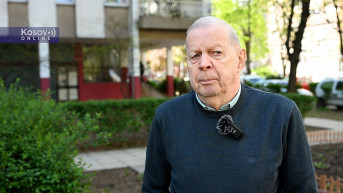
Former diplomat Zoran Milivojevic expects that the report of the head of United Nations Interim Administration Mission in Kosovo, Peter Due, to the United Nations Security Council will address the implementation of the Law on Foreigners and the political instability in Kosovo, and call for the continuation of dialogue. However, he stresses that, for Serbia, the reaffirmation of UNMIK’s mandate and United Nations Security Council Resolution 1244 is of key importance.
“For us, it is important that this session takes place and that continuity is maintained, for the simple reason that it confirms the status of Kosovo and Metohija under UN protectorate and reaffirms the importance and significance of Resolution 1244. As for the report itself and the address by the new UNMIK representative, I do not expect anything particularly new, because essentially nothing significant has happened, except that the instability of the regime in Pristina has been confirmed, along with the continued political agony and the attempt by Self-Determination to maintain its dominant position at all costs,” Milivojevic told Kosovo Online.
For the Serbian side, he adds, it would be important to reaffirm Resolution 1244—the functions and status of UNMIK and Kosovo Force—as well as the objectivity of the report regarding the problems faced by the Serbian people in Kosovo due to the policies of Self-Determination and Albin Kurti, which he says operate illegally and illegitimately.
“There is no formed government there. We waited a year for elections; the government functioned under a technical mandate, yet it implemented measures and actions of repression against the Serbian population, the persecution of Serbs with all the consequences we are aware of. I believe the report will reflect that, with references to the elections, their results, and a call for the formation of a government. There will certainly be a call to continue dialogue and a reference to the Law on Foreigners and the agreement reached regarding its implementation,” he assessed.
Nevertheless, Milivojevic says he does not expect a critical stance toward Kurti and his policies, which is why he believes this report will also contain shortcomings that will not satisfy the Serbian side. On the other hand, he believes that the representative of Kosovo at the session will attempt to discredit Serbia by pointing to alleged threats from Serbia, its armament, and its ties with Russia.
“In that sense, nothing new should be expected. There will be attempts to affirm Kosovo’s statehood and insistence on the implementation of the Ohrid Agreement—de facto recognition, and so on,” he notes.
Regarding representatives of countries in the UN Security Council, Milivojevic believes that Russia and China will this time insist on Resolution 1244, in the context of a greater global focus on respect for international law due to the situation in the Middle East.
“Likewise, I expect the British and Americans to remain on their positions and to insist that UNMIK’s mandate should gradually be brought to an end, assessing that a sufficient level of security has been achieved, while also insisting on the formation of a government. For us, it is very important that the UN Security Council reaffirm the mandate of UNMIK and KFOR and Resolution 1244, the status of Kosovo and Metohija within that mandate and as part of the state of Serbia, and that it insist on the full respect and implementation of that mandate,” Milivojevic concluded.
0 comments