
Minic: The EP represents the EU's political sentiment regarding the Serbia-Kosovo dialogue
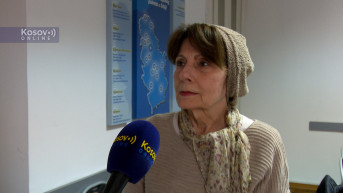
The European Parliament represents the political landscape of the EU, and in that sense, this term has reflected the general sentiment prevailing in the EU regarding the Serbia-Kosovo issue, however, it is important to note that the EP doesn't have executive functions, Jelica Minic from the European Movement in Serbia says for Kosovo Online.
Minic also recalls an important decision of the European Parliament, one of the last in this term, regarding visa liberalization for Serbs from Kosovo.
"As for other matters, the main initiatives come from the European Commission, and decisions are then made at the European Council, so that is the decision-making line," she notes.
Regarding the upcoming European Parliament elections, our interlocutor expects a higher participation of right-wing parties in the new term.
"We are in a difficult period of turmoil in Europe, and in many European countries, the right-wing is winning, including some extreme right-wing movements. However, if that does happen, if the balance in the EP between the People's Party group, the conservative right-center, and the Social Democrats, Greens, Liberals shifts to the right, then we can expect less enthusiasm towards further enlargement towards the Western Balkans, and perhaps the support that is currently crucial to finding a normalization modus operandi for Kosovo-Serbia relations, which is very difficult to achieve before the EP elections, these right-wing parties will be less involved than the current political structure," Minic says.
She also believes that Von Cramon and Bilcik have been quite present in the public eye in Serbia and Kosovo.
"They were very vocal. They made reports in which the Serbia-Kosovo relationship was not avoided, but now I don't know what to expect when it comes to new EP rapporteurs, especially for the dialogue mediator role. So far, the situation for Serbia has been favorable; we had Lajcak and Borrell who come from countries that do not recognize Kosovo's independence. Now we will see who will be the mediator, who will take over the EU's foreign affairs service. Shifts can happen, and it's difficult to predict at this moment," she says, addressing how this term of the EP has influenced the mood toward the EU in Serbia.
"Some estimates from those who constantly monitor this are that it is between 40 and 50 percent in favor of the EU, and decisively against the Union, it is 30 percent. I believe that citizens still understand the importance of European integration," Minic notes.


0 comments