
More than a month has passed since the CBK regulation; the West is dissatisfied with the Government of Kosovo
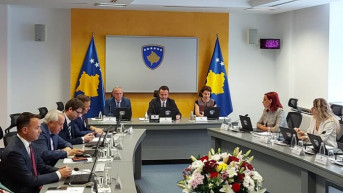
Since February 1st, a new regulation from the Central Bank of Kosovo banning the dinar has come into effect, causing dissatisfaction and reactions from the international community to postpone the measure to allow citizens to adjust more easily, Reporteri reports.
The EU Envoy for the Dialogue between Belgrade and Pristina, Miroslav Lajcak, invited the Kosovo and Serbian sides to a meeting in Brussels, but Kosovo's Deputy Prime Minister, Besnik Bislimi, refused to attend, stating that this issue was not within the scope of the dialogue. Representatives of the CBK were sent to Brussels, while Serbia was represented by the Director of the Office for Kosovo and Metohija, Petar Petkovic.
Although Envoy Lajcak described the Brussels meeting as an important step, given that separate meetings were first held followed by a joint one, he warned that there were many signs of concern and that there could be more in the future.
On the other hand, the CBK stated that the meeting in Brussels had not discussed the institution's regulations, but expressed concern about the impact that this decision could have on Serbian citizens regarding the way money transfers were made.
Regarding the dinar, on Thursday, February 29th, the US Ambassador to Kosovo, Jeff Hovenier, once again commented, clarifying that his country was not asking Kosovo to retain the dinar but was dissatisfied with the way this CBK regulation was being implemented.
"We agree that dialogue is not absolutely necessary to discuss internal issues of Kosovo. But as I and officials from the US Government have said, we do not dispute the authority of the Central Bank of Kosovo. We are not trying to protect the dinar; the US Government does not take a position on the currencies circulating in Kosovo. This should be decided by the authorities in Kosovo. We are concerned because it raises questions about the dialogue. This is something we have repeatedly expressed, and we believe that discussions within the framework of dialogue are necessary. Our concern is related to the way the decision is being implemented and its impact on minority communities," Hovenier said last Thursday at a meeting with journalists.
Hovenier also spoke about the partnership between Kosovo and the US and emphasized that it was clear that his country was dissatisfied with Kurti’s government.
Even the US State Department has stated that discussions in Brussels on the decision of the Central Bank of Kosovo to prohibit the use of the dinar in Kosovo "must urgently continue."
"The dialogue facilitated by the European Union is the right channel for resolving issues related to the normalization of relations between Kosovo and Serbia," a State Department spokesperson said.
Regarding the decision on the dinar, Kosovo Prime Minister Albin Kurti said last week that he had not been informed about the CBK's decision to create a transition period for the complete abolition of the dinar.
"The Central Bank made this decision on December 28 last year, and they did well. I had no idea about this decision or the drafting of this regulation. Everything was going smoothly and without any issues, and in mid-January, shortly after the preparations were underway, Serbian President Vucic warned the region and Europe that a disaster would occur when the dinar was excluded from February 1. And then the pressure started on me when Vucic spoke out. We are not excluding the dinar; you can have dinars in Kosovo, but the means of payment is the euro. According to the Constitution, only one currency can be used," Kurti said.
The Central Bank of Kosovo announced that the decision on the new regulation would be implemented through a transitional phase lasting no longer than three months and had prepared a 10-point plan.


comments