
NATO: Serbia is a key partner for stability in the Western Balkans
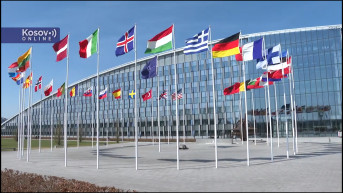
Serbia is a key partner in the region for maintaining stability in the Western Balkans, a NATO official stated today in Brussels.
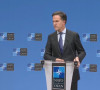
"Rutte recently met with President Vucic, and they discussed various issues, including partnership and the regional situation. Rutte emphasized that what we expect is accountability for those responsible for Banjska and the attack on KFOR. This means that the participants must be brought to justice. Given Serbia’s role, it is important that Serbia uses its influence to contribute in a positive direction," the NATO official said.
He highlighted that dialogue is crucial for a political solution to the normalization of relations.
"We hope to see progress with the new EU leadership. NATO supports the EU-led dialogue and achieving a political solution between Belgrade and Pristina. We welcome the appointment of Sorensen, and the NATO Deputy Secretary General met with him a few days ago to discuss the situation in Kosovo," the NATO official added.
"Serbia is our partner, and we have a shared interest—the security of the Western Balkans. We expect to work together with Serbia. It is the largest country in the region in terms of economy, population, and territory. We see Serbia as an important partner in achieving regional stability. Serbia has influence over its neighbors, and if we face challenges, we will also turn to regional partners to help address these issues."
Regarding the incidents in Zvecan and later in Banjska, the NATO official stated that it is not up to the Alliance to determine before which court (in Belgrade or Pristina) those responsible for the attacks should be tried.
"It is not NATO’s role to decide in which court those responsible for the attacks on KFOR soldiers in Zvecan and Banjska should face justice," the NATO official said.
"We saw a statement from the Serbian prosecutor in December last year, indicating that new information regarding the verdict for Radoicic would be available by the end of last year or the beginning of this year. However, we have not seen any developments yet. That is why we continue to emphasize that those responsible for these attacks must be held accountable. This organization insists on the urgency of the matter," the official added.
Regarding the actions of the Kosovo government, specifically the closure of post offices and social welfare centers within the Serbian system, the NATO official stated:
"When it comes to the closure of Serbian institutions, the NATO Secretary General has already stated that these actions by the Kosovo Police could impact security and that they need to be coordinated with KFOR. We have faced challenges in coordination in the past, which is why we have reiterated this message."
The NATO representative also addressed the recent explosion at the former Kosovo Post office in Zvecan, which previously housed a Serbian postal office.
"The Kosovo Police responded immediately, KFOR was present and offered assistance, but it was not needed as KP handled the situation well. Since 2023, KFOR has tripled its patrols in the north and remains in close contact with Kosovo’s security structures."
When asked whether KFOR would face challenges once the Kosovo Security Force (KSF) completes its transformation into an army in 2028, the NATO official responded:
"NATO supports the KSF in its original mandate and works with them on civil protection, disaster response, and similar areas. We continue our support through the NALT team. KFOR works with the Kosovo Police and Kosovo Security Forces. We appreciate that the KSF respects the agreement regarding deployment in the north and that they cannot do so without prior communication and approval from the KFOR commander. What is crucial is that the KFOR commander maintains constant communication with all sides and helps de-escalate tensions whenever necessary. All KFOR commanders will continue to do so," he concluded.
0 comments