
Pasic: The Croatian model is being applied in Kosovo, with criminal prosecutions used to prevent the return of displaced Serbs

The OSCE Mission recently presented its report on the monitoring of war crimes proceedings, according to which as many as 88 percent of cases brought against Serbs for alleged war crimes have resulted in convictions. According to attorney and former military prosecutor Dragan Pasic, this demonstrates that neither the courts nor the prosecution services are impartial.
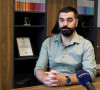
Speaking to Kosovo Online, Pasic said the findings also confirm that the rights of the accused are compromised from the very outset of the proceedings, as defendants are not ensured the opportunity to be present at trial, let alone to examine witnesses, despite the fact that direct cross-examination is a fundamental component of a fair trial.
"There is no contact whatsoever between court-appointed defence counsel and the accused. In a word, this amounts to the collapse of the evidentiary process, because the entire prosecution case is based on old witness statements taken during the UNMIK or EULEX period," Pasic said, adding that he does not expect the OSCE report to bring about any substantive changes or reforms in Kosovo's judiciary, either in procedural terms or in the application of substantive law.
Pasic further argued that criminal prosecutions are being used as a political instrument to prevent displaced Serbs from returning.
"What we are witnessing is the application of the Croatian model. As we know, this approach was previously used in Croatia. I expect the number of such proceedings to continue increasing. We are moving beyond the realm of law, and this conduct transcends legal boundaries, entering, I would say, the realm of literature. It is a quintessential Kafkaesque process. People are being tried without even knowing that proceedings have been initiated against them. They are assigned court-appointed lawyers who serve merely as a statistical formality. Court summonses are sent by ordinary mail instead of through official international channels. What else can this be but a Kafkaesque absurdity, where fictitious proceedings are conducted under fictitious laws? You would agree that only Kafka could have described such a situation in his novel The Trial," the former military prosecutor said.
Asked why the international community sometimes appears to "look the other way" in such cases, Pasic argued that political considerations are the determining factor, given what he described as the West's undeniable influence over Pristina.
"There are international sponsors, and the key to resolving this problem lies in the hands of the West. If international officials, organizations, and institutions with influence over Pristina were to insist on genuine reforms and make their financial and other forms of support conditional upon them, substantive changes would follow. Otherwise, the existing practice will continue, despite being in direct contradiction to Article 6 of the European Convention on Human Rights," Pasic concluded.


0 comments