
Pasic: There are many obstacles to the reintegration of Serbian judges and prosecutors into Kosovo's judicial system
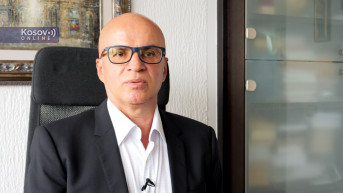
Lawyer and former military prosecutor Dragan Pasic told Kosovo Online that there are many obstacles to the reintegration of Serbian judges, prosecutors, and administrative staff into Kosovo's judicial system.
Pasic recalled that the 2013 Brussels Agreement, as well as its subsequent amendments in 2015, stipulated that members of the Serbian community should also hold judicial positions within Kosovo's judicial system, but stressed that this is clearly not being respected.
"Almost four years ago, they resigned from their judicial positions. Their posts remain vacant, and those vacancies have not been filled. If we look at it strictly from a legal standpoint, this falls within the jurisdiction of these two judicial bodies. However, the issue has now resurfaced because it is evident that the Kosovo authorities do not want representatives of the Serbian community in the judicial institutions. If they did, they would have ensured the conditions necessary for their work, primarily of a technical nature, including translation into the Serbian language, so that members of the Serbian community would enjoy the same rights as all other citizens of Kosovo," Pasic said.
He stressed that the most important issue now is the return of judges and prosecutors of Serbian ethnicity.
"An additional obstacle is that, under the criteria prescribed by the so-called Republic of Kosovo, it is necessary not only to have formal legal education but also to pass the judicial exam administered by the Ministry of Justice of the so-called Republic of Kosovo. What I have observed so far is that very few Serbs pass that judicial exam and subsequently complete the Judicial Academy. Therefore, there are many obstacles to the reintegration of judges, prosecutors, and administrative staff into Kosovo's judicial system," Pasic explained.
He also stressed that if the proposal by the Acting President of Kosovo for the judicial institutions to resolve the issue of the resignations "without delay" were adopted, the consequence would be that there would be no representatives of the Serbian community.
"In that case, the right to a fair trial would not be guaranteed. Instead, there would be a one-sided approach by the majority that exists in Kosovo, leaving Serbs deprived of the ability to exercise their rights. On the other hand, the Brussels Agreement and all international efforts to establish dialogue aimed at long-term and stable cooperation, as well as the development of mutual relations among all communities in the territory of Kosovo and Metohija, would remain a dead letter. That would certainly deepen the problem and further undermine trust, which has already been seriously damaged," Pasic concluded.



0 comments