
Pavkovic: Pristina encourages unlawful actions by Kosovo Police in the north
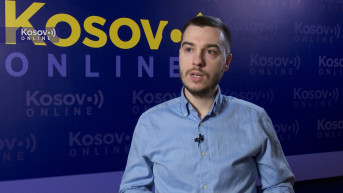
Milos Pavkovic, a collaborator with the Center for European Policy, stated to Kosovo Online that the key issue with the unlawful actions of the Kosovo Police in the north lies in the ethnicization and nationalization of the police, which is encouraged by senior officials in Pristina through their statements and the lack of accountability for those responsible.
"All of this leads to a highly unstable situation. The enforcement of law and the rule of law are fundamental, yet these police officers violate certain codes of conduct and the Law on the Kosovo Police Service. That is one issue. Another is whether the government in Pristina is encouraging such behavior by the Kosovo police through its inaction, as the Police Inspectorate does not sanction them at all. At the same time, we receive similar messages from Pristina, from the highest political officials, promoting the idea of Greater Albania and changing borders. This essentially serves as a form of encouragement for these officers to absorb and display nationalistic behavior. I’m primarily referring to the role of the Prime Minister of Kosovo but also to other high-ranking officials. The problem here is the violation of laws and the lack of willingness to hold these police officers accountable. Additionally, their presence in the north of Kosovo itself is problematic and questionable," Pavkovic stated.
Pavkovic identified four factors contributing to the Serbian community's distrust of the Kosovo Police: ethnic composition, language barriers, the ethnicization of the force, and the use of special police units.
"The root of the distrust is that it is an ethnically Albanian police force, even though Kosovo’s laws stipulate that the police composition should reflect the ethnic representation of the given territory. Since Serbs withdrew from the Kosovo Police and all other institutions in November 2022, there are now no Serbian officers, which is a key reason for the lack of trust," Pavkovic explained.
The second factor of distrust, according to him, is the language barrier, despite Serbian being one of Kosovo’s official languages.
"This creates communication problems because citizens have no way to effectively communicate with the police. This generates a type of animosity between the citizens and the special police," he elaborated.
Pavkovic also pointed to the ethnicization of the Kosovo Police as a source of distrust.
"This refers to their behavior, the presence of ‘Greater Albania’ insignias, and other nationalist symbols often displayed on uniforms or through gestures. This deepens the divide between them and the Serbian community."
As a fourth factor, Pavkovic highlighted the frequent incidents involving the special police and local citizens.
"The Serbian community cannot predict whether they will be arrested, beaten, taken to a police station, or possibly even shot when stopped by the police," said the analyst, adding that the significant presence of special police units is problematic not only from a legal perspective but also in terms of social stability.
"In predominantly Serbian areas, ethnically Albanian special police forces are deployed, which is inherently problematic and a recipe for instability. A particular issue is that members of this police force often exhibit nationalist behavior, as documented in civil society publications. Whether it’s their language, gestures, or the use of symbols from other states or unauthorized symbols under Kosovo’s laws, this exacerbates the situation," Pavkovic warned.


0 comments