
Pavkovic: Reserved seats for the diaspora would introduce new dynamics into Kosovo's political life
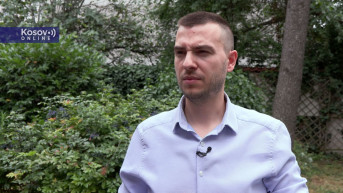
Milos Pavkovic, Director of Strategy at the Center for European Policy, believes that introducing reserved seats for the diaspora in the Kosovo Assembly would bring new dynamics to political life in Pristina, but he assesses that such a change would not benefit the current ruling political establishment.
Pavkovic told Kosovo Online that guaranteed parliamentary seats for a country's citizens living abroad are not uncommon across Europe, citing Italy and Croatia, which has reserved seats in the Croatian Parliament. He pointed out that this is a common practice when a country has a significant number of its citizens living abroad.
In Kosovo's case, he believes such a system would not work in favor of the ruling political establishment.
"It seems to me that the diaspora has greater influence when its members come and vote than it would if it had reserved seats. If we look at the proportion of Kosovo citizens living across Europe compared to the total electorate and the number of MPs, the diaspora would probably have no more than two or three representatives. On the other hand, when they come and vote directly in elections in Kosovo, their influence is, as in the most recent elections, decisive, because they secured five mandates for Self-Determination. In that context, from Self-Determination's perspective, it would not be rational to introduce reserved seats for Kosovo citizens living abroad," Pavkovic said.
He added that introducing reserved seats for the diaspora in the Kosovo Assembly would require amendments to the law, which would be a lengthy process and could potentially open negotiations among political actors, something he believes there is currently no appetite for.
Hypothetically speaking, if the diaspora were granted reserved seats, he believes those two or three MPs would enjoy a certain degree of autonomy and would undoubtedly bring new dynamics to Kosovo's political life.
"In certain situations, they could become the deciding factor in forming a government, passing legislation, or amending the Constitution. In that sense, they would introduce new dynamics and some changes into Kosovo's political life. However, the question is whether those MPs would align themselves with one of the existing political options in Kosovo or represent a new political party acting as an independent political actor, which would significantly affect the political dynamics," Pavkovic said.



0 comments