
Pavlovic: According to the German ambassador's logic, if Decani are Kosovo's, then Troy is Turkish
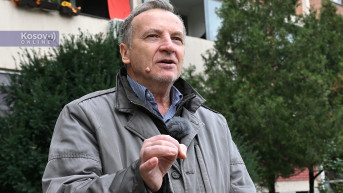
Historian Momcilo Pavlovic, the director of the Institute for Contemporary History, states that the claim by the German ambassador in Pristina, Jorn Rohde, that Visoki Decani is a "Kosovo monastery" is historically inaccurate, politically incorrect, and diplomatically harmful.
"The overall historical heritage is not created by the state but by the people, rulers, elites, wealthy individuals... Nations emerge and evolve throughout history; state borders shift, but the heritage remains with the people who created it. According to the ambassador's logic that territory determines ownership of heritage, he should wonder, for example, why Troy, Ephesus, and other ancient Greek cities are not in Greece today but in Turkey. But no sane person would think that this is Ottoman or Turkish cultural heritage. It is known, it is ancient, or Greek. The ambassador can visit them with the same team and see whose heritage it is," Pavlovic emphasizes for Kosovo Online.
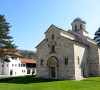
He also raises the question of why Kfor, from whom and for whom, guards the Decani monastery, which Rohde says is a "Kosovo monastery"?
"We know when the monastery was founded and who built it; throughout history, it has been a living witness to the overall movements in the entire Balkans, especially in Serbian-Albanian relations. On the other hand, according to the logic of the German ambassador, it would be good for him to visit Nazi camps in Poland and say that it is a non-cultural Polish heritage. Poles would immediately throw him out. Yes, these camps are on the territory of Poland, but Germany built and established them. Even the ambassador's logic does not support him," the historian says.
He points out that the need to build a narrative of "Kosovization" of Serbian cultural and Orthodox heritage in the West is not new.
"Since the 1990s, in the active process of breaking up the Yugoslav federation, German diplomacy and espionage have excelled in that. We, as historians, often say that the opportunity presented itself to the Germans to get back at all those who were against them in previous wars. Territorializing the Albanian issue only to the Kosovo area does not solve problems but creates them. They first, through various diplomatic actions and theses, attempted to obscure the essence, which is the support for separatism and the separation of Kosovo from Serbia. And to make that not appear so brutal, some kind of model, an umbrella, diplomatic and political, had to be created," Pavlovic says.
He emphasizes that Serbs have the experience of coexistence with Albanians, but those who support Kosovo's independence insist on "granting statehood to Kosovo separatists, not because they love Albanians so much but because they believe that Serbs are the sole and exclusive culprits for everything that happened in the 1990s."

0 comments