
Perisic: It is unlikely that there will be consensus in Brussels to include the Ohrid Agreement in Serbia's negotiation framework

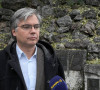
Efforts to include the obligations from the Agreement on the normalization of relations between Belgrade and Pristina from February of this year, along with its annex from Ohrid reached in March, in Chapter 35 of Serbia's negotiation framework with the European Union are part of the EU's endeavor to permanently resolve the issue of Kosovo's status, however, at the moment, it is unlikely to reach a consensus on this matter at the European Council, according to Nikola Perisic from the Center for Social Research.
Documents from Brussels and Ohrid also contain the formulation that "Serbia will not oppose Kosovo's membership in any international organization," and consequently, in the United Nations. This is the primary reason these agreements remain unsigned by Belgrade. Serbian President Aleksandar Vucic stated that if the European Council requested the European Commission to supplement the criteria for Chapter 35 in Serbia's accession negotiations with the provisions of the mentioned agreements by the end of January 2024, it would clearly mean that "the EU does not want Serbia."
Perisic, ahead of the meeting of EU ministers for European affairs and then the heads of state and government at the European Council summit, said for Kosovo Online that, apart from attempting to amend the content of Chapter 35 to resolve the Kosovo issue, there was a desire in Brussels to expedite Serbia's Eurointegration.
"As we can see, this process has been stagnating in recent years, while on the other hand, euroscepticism in Serbia is growing. Something tangible is needed for the citizens of Serbia to see that the European path still exists and is actively pursued," he said.
In this context, there is an attempt to change the content of Chapter 35, and Perisic notes that it remains uncertain whether the EU's desire can be implemented now since all decisions within the Union are made by consensus, which is questionable.
"There are five EU countries that do not recognize Kosovo. Additionally, there are states that may change their stance in the coming period, such as Hungary. The question is whether the EU will succeed in the intention it wants to implement at this moment. All of this is a consequence of the desire to resolve the issue of Kosovo as quickly as possible to prevent new conflicts in the European region that could lead to new economic and, consequently, political crises in this area," Perisic concludes.


0 comments