
Pupin Forum 2026 held in Washington: Launch of Serbia-US Strategic Dialogue an important institutional step
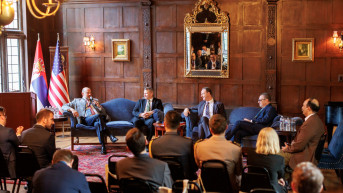
The launch of the Strategic Dialogue between Serbia and the United States represents an important institutional step, while its real significance will depend on the continuity of concrete projects and measurable results, participants concluded at the third Pupin Forum in Washington, which this year focused on the Serbia-US Strategic Dialogue. US Deputy Assistant Secretary of State Daniel Lawton said that “America wants to be Serbia’s partner of choice.”
According to the organizers, the Pupin Initiative, the third consecutive forum brought together US and Serbian officials, representatives of the defense sector, investors and experts to discuss how the newly launched Strategic Dialogue between Serbia and the United States could be translated into concrete results.
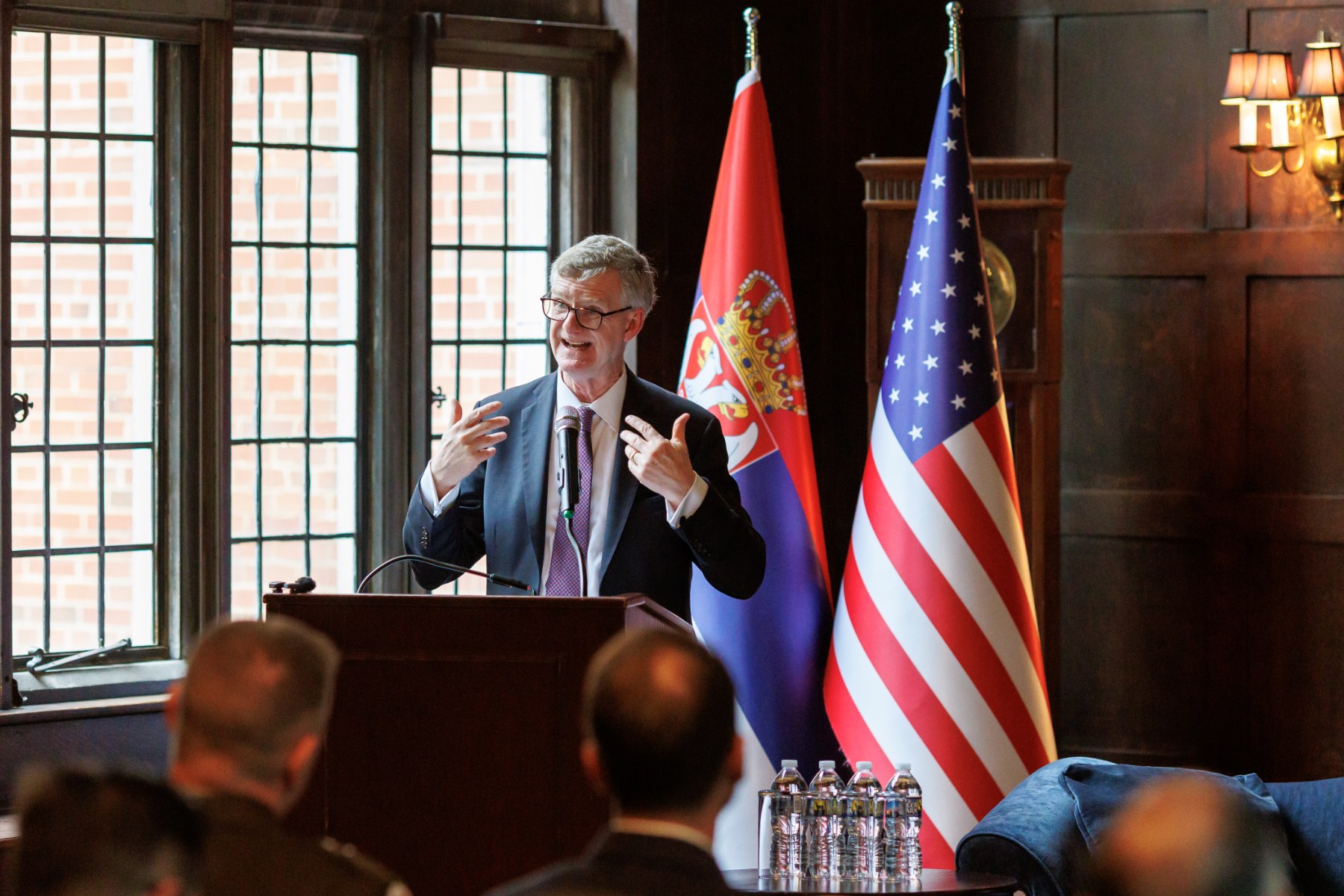
The Forum was opened by Pupin Initiative President Vuk Velebit and US Deputy Assistant Secretary of State Daniel Lawton.
Velebit stressed that the Strategic Dialogue should not be viewed as an end goal, but as a starting point for building a longer-term and more resilient relationship between Serbia and the United States. He particularly emphasized that bilateral relations could not depend exclusively on governments and political cycles, but needed stronger involvement from the business community, universities, civil society, young people and the Serbian-American community.
“The Strategic Dialogue is not a destination; it is a starting point,” Velebit said.
Lawton placed bilateral relations in the context of 145 years of diplomatic ties between Serbia and the United States, pointing to opportunities for further cooperation in energy, defense, trusted technologies, education and preparations for Expo 2027 in Belgrade.
He particularly highlighted the importance of US financing in telecommunications and 5G infrastructure, as well as the importance of choosing trusted partners in developing infrastructure for artificial intelligence and advanced technologies.
“America wants to be Serbia’s partner of choice,” Lawton said.
A special session of the Forum was devoted to the 20th anniversary of the State Partnership Program between the Ohio National Guard and Serbia.
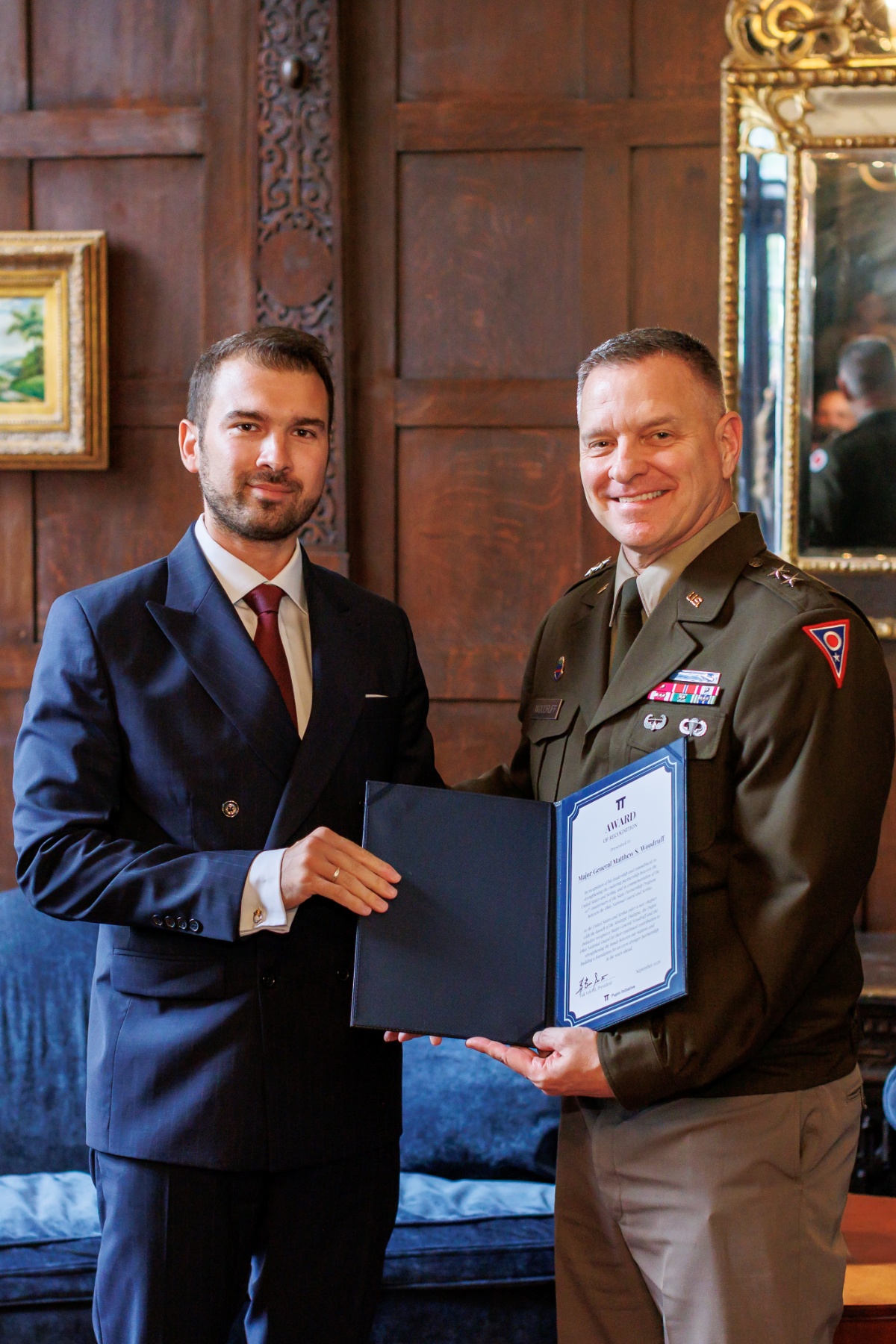
Ohio National Guard Commander Major General Matthew Woodruff said that nearly 75 percent of the Guard’s international activities were connected with Serbia, while the scope of cooperation in the coming period could reach between 50 and 60 different engagements.
Interoperability, cybersecurity, healthcare, economic cooperation, investment and cooperation
between the defense industries were identified as areas with additional potential.
To mark the 20th anniversary of the partnership, the Pupin Initiative presented Woodruff with an award for his contribution to strengthening long-term ties between Serbia and the United States.
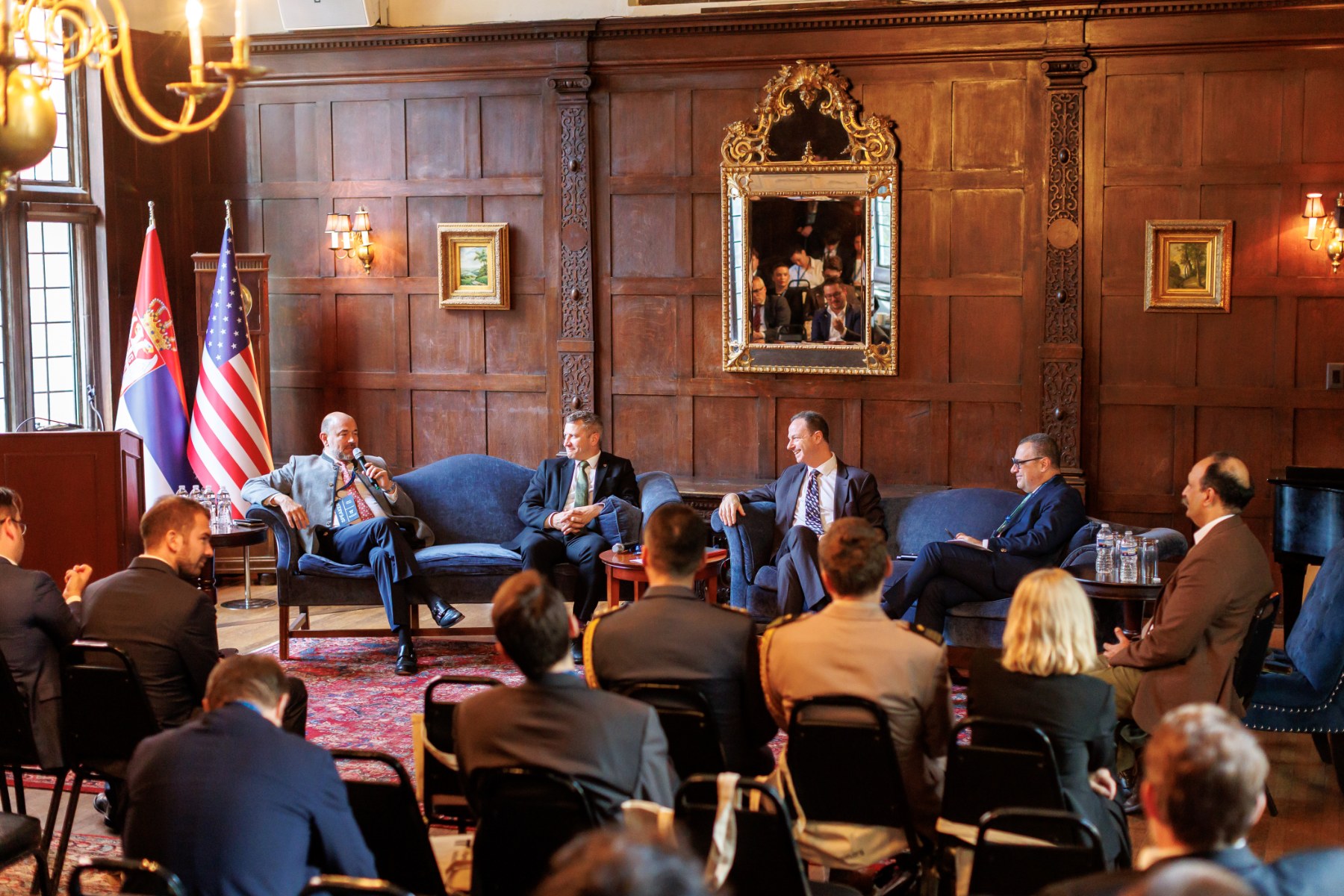
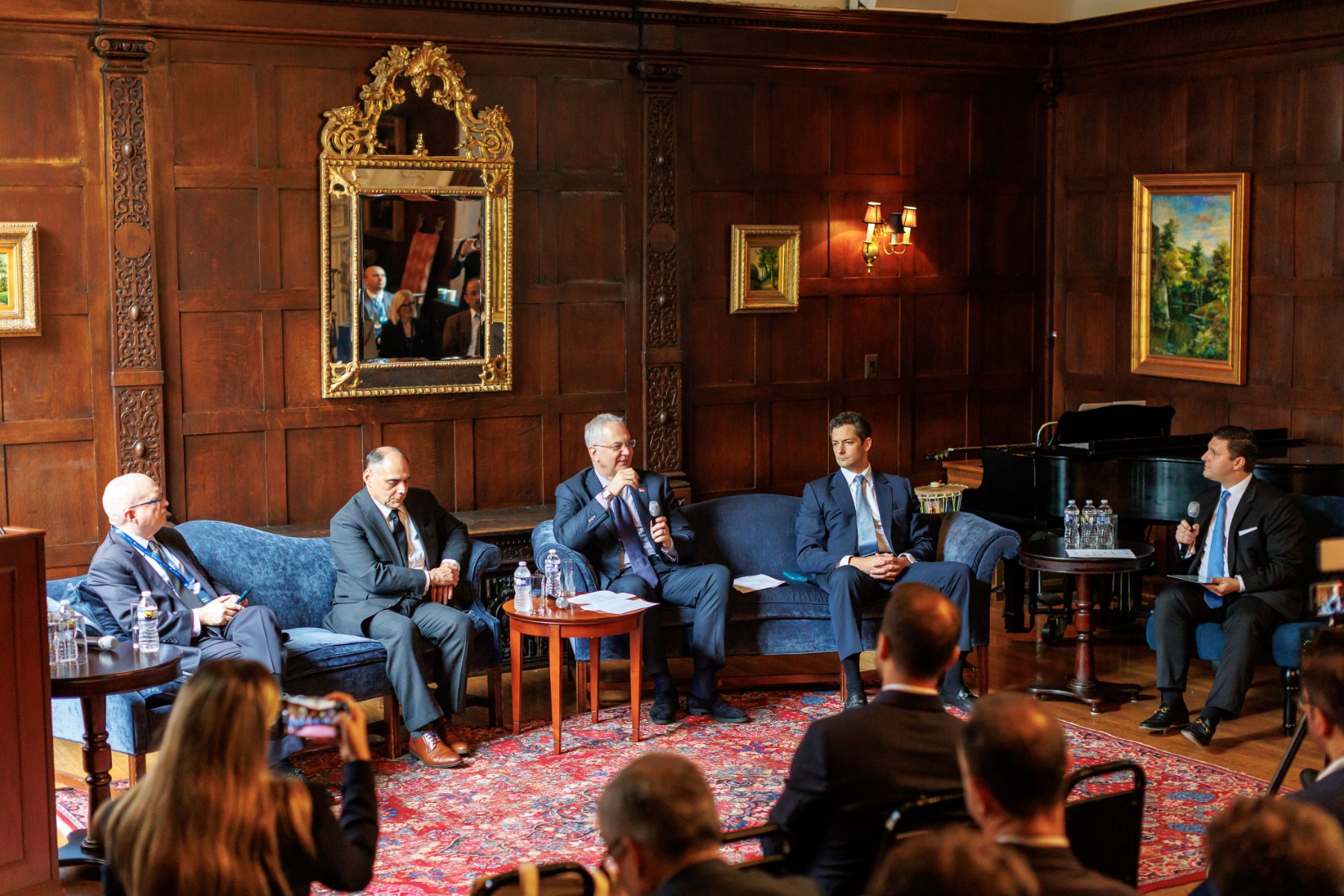
The panel on strategic bilateral cooperation featured Serbian Ambassador to the United States Dragan Sutanovac, Andrew Peek, James Carafano and Philip Reeker, with Colin Janic moderating. According to the statement, the discussion focused on how to translate the existing political momentum into lasting institutional cooperation.
Sutanovac identified defense cooperation as one of the key areas for further strengthening bilateral relations, pointing to the partnership with the Ohio National Guard as an existing platform on which further cooperation could be built.
Speaking about energy, he emphasized the importance of diversifying Serbia’s sources of supply and developing new infrastructure.
Carafano stressed that Serbia should define more clearly what it brings to its partnership with the
United States, from its geographical position and human capital to its industrial capacity and potential to connect different European corridors.
Reeker particularly emphasized the need to institutionalize the Strategic Dialogue through regular contacts, a clear structure and continuity that would not depend on individual political circumstances.
The second panel focused on economic cooperation between Serbia and the United States.
Caroline Wick of the DFC said that the institution was open to projects from Serbia, particularly
in energy, critical minerals, the pharmaceutical industry, agriculture, AI data centers and financial services.
At the same time, she stressed that a project’s strategic significance alone was not sufficient and that projects had to be commercially viable and financially sound.
Vladimir Milosevic of Google AI emphasized that, in an era of rapidly advancing artificial intelligence, simply having high-quality talent was no longer sufficient. He added that Serbia needed to identify the sectors in which it possessed particular advantages and clearly define its areas of technological specialization.
The final panel focused on regional connectivity, energy and strategic corridors, with participants
discussing Serbia’s position at the intersection of transport and energy routes linking Central Europe, the Danube, the Black Sea and the Eastern Mediterranean.
Chris Jennions of Bechtel pointed to infrastructure projects worth approximately USD 2 billion, including projects along the Belgrade-Bar and Kraljevo-Novi Pazar routes, as well as the importance of the Belgrade-Budapest and Belgrade-Nis railway links.
He particularly highlighted the potential of the Djerdap 3 pumped-storage hydropower project, which, according to data presented at the Forum, could provide approximately 27 days of energy storage, the statement concluded.




comments