
Radic: Western Balkan countries face a serious challenge due to increased defense spending
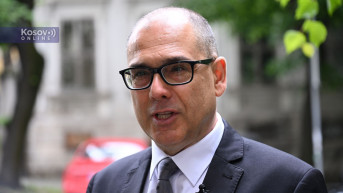
Military analyst Aleksandar Radic stated that the announced increase in mandatory defense spending for NATO member states presents a very serious challenge for the countries of the Western Balkans, as they have not been able to meet the existing NATO quota of two percent of Gross Domestic Product (GDP).
“There will be problems. It won’t be so easy to do, considering the ‘struggle’ for two percent has been ongoing for years. That threshold has proven difficult to achieve. Compared to that, three and a half percent is a long way off,” Radic said.
Asked how this could affect NATO-member Western Balkan countries, Radic explained that they have small armed forces.
“The Western Balkan armies are small, and naturally, when you have a potentially smaller system, it’s easier and more manageable to reach certain statistical figures, unlike larger systems that come with a high number of personnel and substantial costs for maintaining training exercises... For example, the Montenegrin army has two infantry companies, and everything revolves around them. If you scale up to larger army formats, then you're dealing with battalions, brigades. These are significant expenses, and Western Balkan governments will now have to work hard to figure out how to surpass the two percent mark, how to solidify that level statistically, and move toward three percent. It’s a lot of money. It's easy to talk statistics. When you say two or three percent, it sounds modest, but even a 0.1 percent difference is a major challenge for each of these countries,” Radic emphasized.
He added that the Western Balkan countries allocate as much as they can for defense, while also seeking to acquire new weaponry.
“Of course, everyone is striving to reach that previously promised two percent. Now the big issue is how to raise that to three and a half percent, and each country has a different funding model. Anything below two percent is currently used by Croatia, Montenegro, and North Macedonia to finance personnel and operational needs,” Radic explained.
He emphasizes that the key difference in percentages comes from capital procurement.
He recalls that Montenegro began that process by taking out a long-term loan, Croatia entered a major modernization effort, and North Macedonia is also trying to spend its military budget effectively.
“NATO members from our region are trying to demonstrate that they can reach the two percent goal, but they’re just around it. They include pensions, additional expenses, so the annual statistics hover around two percent. Now, increasing that to three and a half percent under current circumstances seems like a very serious challenge for Western Balkan countries,” Radic stressed.
Despite clear recommendations and expectations, this military analyst said that NATO has no mechanisms to penalize member states for not reaching the desired level of military spending.
“Of course, it is not in line with partnership obligations, but still, one-third of NATO countries have yet to reach even two percent. So the Balkan countries can find justification for themselves, especially if some large Mediterranean countries are still not in a position to proudly report in Brussels that they have fulfilled their partnership commitments,” Radic concluded.

0 comments