
Radojkovic: The police raid is compensation for the failure to open the bridge on the Ibar
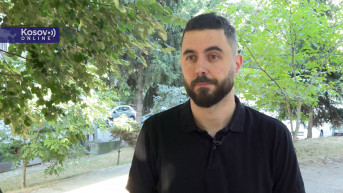
Historian Stefan Radojkovic stated in an interview with Kosovo Online that the Kosovo Police raid on the buildings of provisional institutions in four Serbian municipalities in the north is a "compensation" for the failure regarding the opening of the bridge on the Ibar. He added that KFOR should deploy armored vehicles in front of Serbian institutions in the north, such as hospitals or schools, to prevent similar actions.
"This is a continuation of the practice that Albin Kurti's government has been implementing for some time. One of the representatives of the civil sector among Serbs, Milica Andric Rakic, suggested that this could be a potential response or retaliation for the failure to open the bridge between North and South Mitrovica. KFOR has clearly shown that they will not move, and now that embarrassment and failure had to be compensated by continuing attacks and unilateral actions against Serbian institutions in Kosovo and Metohija. Even if these communities were to be shut down or integrated, it should be done through dialogue in Brussels and with full coordination with all actors interested in the conflict in Kosovo," Radojkovic said.
When asked whether the deployment of armored vehicles by carabinieri and additional KFOR personnel at the Ibar bridge is a sign of a possible escalation of tensions, Radojkovic explained that there is currently a conflict between Western actors, partners of the Pristina administration, and Albin Kurti's government.
"The ones who are suffering and are the object of this interaction are the Serbian community, especially in northern Kosovo. The placement of armored vehicles on the Ibar bridge is a message from the international community, primarily the Western partners of the Pristina administration, that this behavior will not be tolerated. What KFOR could additionally do, since it is clear that this practice will not stop, besides this symbolic move such as placing heavy weaponry on the bridge, is to position similar armored vehicles in front of hospitals and schools within the Serbian system. This would further send a message that such behavior will not be tolerated because, until now, everything has ended with rhetoric. They would issue a warning against unilateral actions, but it is evident that this has not deterred Kurti," Radojkovic emphasized.
He emphasized that in terms of international relations, the partners of the Pristina administration are dealing with bigger problems in Eastern Europe and the Middle East, so they do not need another unstable situation, like the one in Kosovo.
"They constantly issue statements urging Pristina not to strain relations, but Kurti is testing where the red lines are, and he will continue to do so, much like a child testing the limits of what is allowed. In this case, Pristina is testing the boundaries of Western partners' tolerance on this issue. Whether the deployment of armored vehicles on the Ibar bridge is a sign that they might move from words to actions—it's possible, but for example, it would be very advisable to position such armored vehicles in front of Serbian institutions in northern Kosovo, like hospitals and schools, which are, at least for the Serbian community, a red line. I'm not sure we've seen what the State Department's red lines are so far," Radojkovic concluded.


0 comments