
Radojkovic: Self-Determination will attempt to motivate the diaspora to vote through new pressure on Serbs
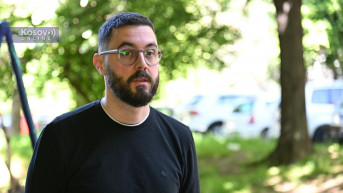
According to historian Stefan Radojkovic, new unilateral moves that would further erode the substance of the Brussels Agreements of 2013 and 2015 will serve as “trump cards” for the Self-Determination Movement and Albin Kurti in an effort to compensate for the expected lower turnout of the diaspora in the June 7 elections compared to last December’s elections.
“That is supposed to serve as a substitute, but also as an attempt to motivate the diaspora, because it is assumed that the diaspora is largely made up of younger people who are nationally conscious, but also emotionally charged, and that this could encourage them to turn out in significant numbers in these elections as well. Of course, not to the same extent as they did during the Christmas and New Year holidays,” Radojkovic told Kosovo Online.
He added that further pressure on the Serbian community, especially in the four northern municipalities, should be expected.
“The pressure will likely continue through the demolition of certain facilities, the establishment of offices and branches of the Pristina administration, particularly at locations where institutions such as the Serbian Post Office once operated. There could even be a full-scale attack on the healthcare and education systems of the Republic of Serbia in that part of Kosovo and Metohija. That will depend on the assessment made by Albin Kurti’s election headquarters. It is also possible that searches will be conducted for additional suspects in the Banjska case, regardless of whether they had any involvement in Banjska or not,” Radojkovic stated.
In his view, this type of pressure would serve a dual purpose — on the one hand, to galvanize the Albanian electorate, particularly the diaspora, and on the other, to create a very deep divide between the political representatives of Serbs in Kosovo and the Albanian opposition parties, with the aim of preventing any potential coalition or the securing of the necessary number of votes for the election of the President of Kosovo.
“It is assumed that the situation could return to what it was in February 2025, when the Albanian opposition parties, together with the Serb List, were in a position to form a government, but the question then arose as to whether they could elect the president of the Pristina administration,” our interlocutor pointed out.
He also views the recent amendments to the Citizenship Law as an attempt to offset the anticipated decline in votes, since the amendments make it easier for members of the diaspora to obtain Kosovo documents, which he sees as a return favor to the diaspora for the votes they cast in the previous elections.
Bearing in mind that verdicts against former KLA leaders are expected to be delivered by the Specialist Chambers in The Hague in the coming period, Radojkovic says that Self-Determination will also use this issue in its campaign, as will other Albanian parties.
“All Albanian parties have reached a consensus regarding these proceedings against Thaçi and his associates. All of them will try to exploit the issue in one way or another. The Democratic Party of Kosovo will probably do so the most, since Thaçi was its president, but none of the parties will make a ‘misstep’ on this issue. If we recall 2020 or 2021, Albin Kurti dismissed his political adviser Shkelzen Gashi because he raised certain doubts regarding the purity and sanctity of the KLA uprising against the FRY. He was dismissed immediately,” Radojkovic noted.
As for the factors that could contribute to a decline in support for Albin Kurti, the historian ranks the verdict against former KLA leaders in third place.
“First would probably be Vjosa Osmani siding with the opposition, second would be lower turnout among the Albanian diaspora, while this issue could be the third factor, although far less important than the first two,” he concluded.



0 comments